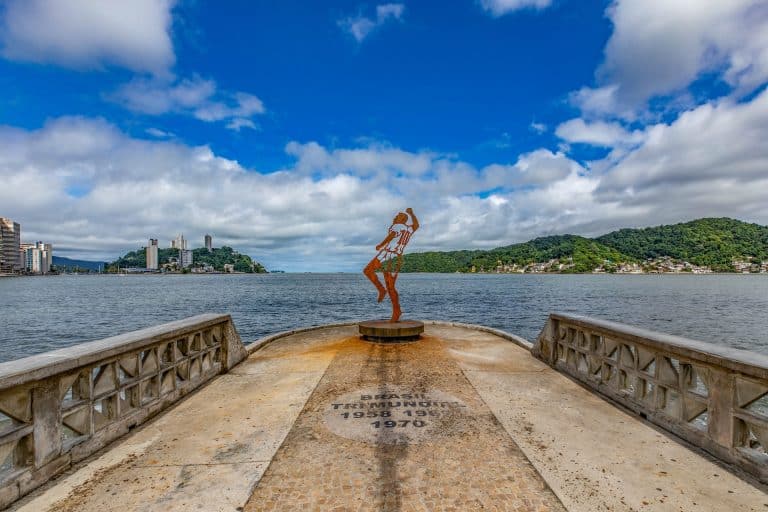
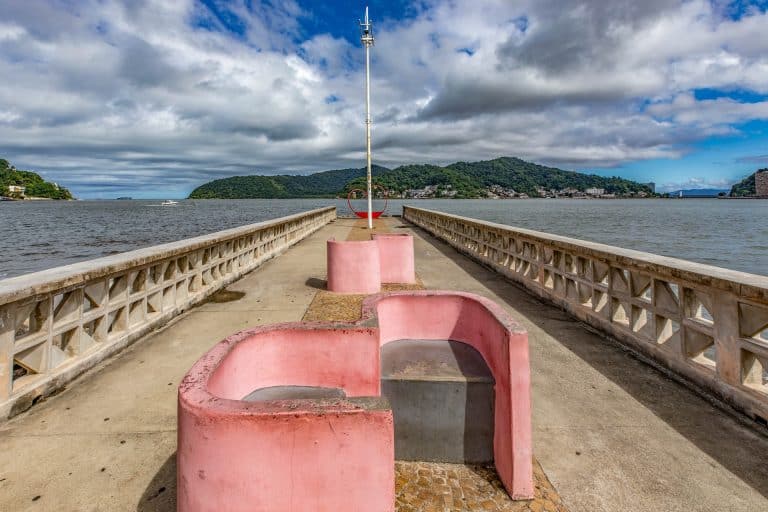
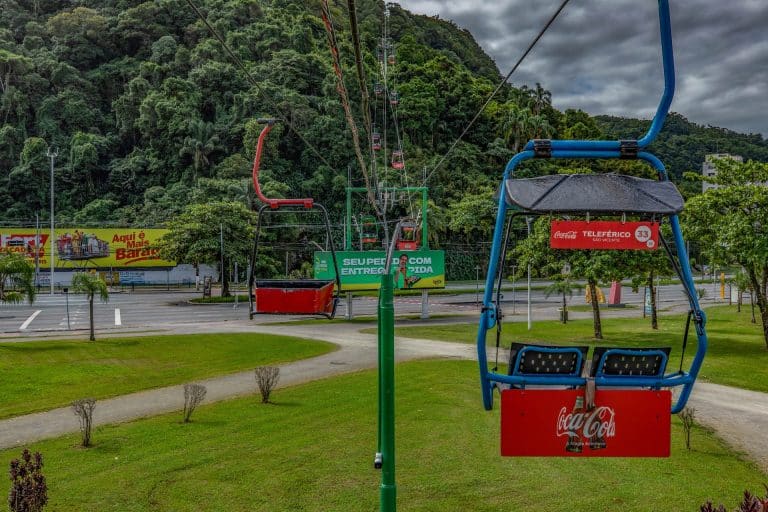
As the site of Brazil’s first permanent Portuguese settlement, São Vicente is one of Brazil’s most significant historical sites. Long before Europeans arrived, the Ilha de São Vicente island, then known as Gohayó, was inhabited by Indigenous peoples—first the Tapuias and later the Tupis—who established themselves across the region around the year 1000.
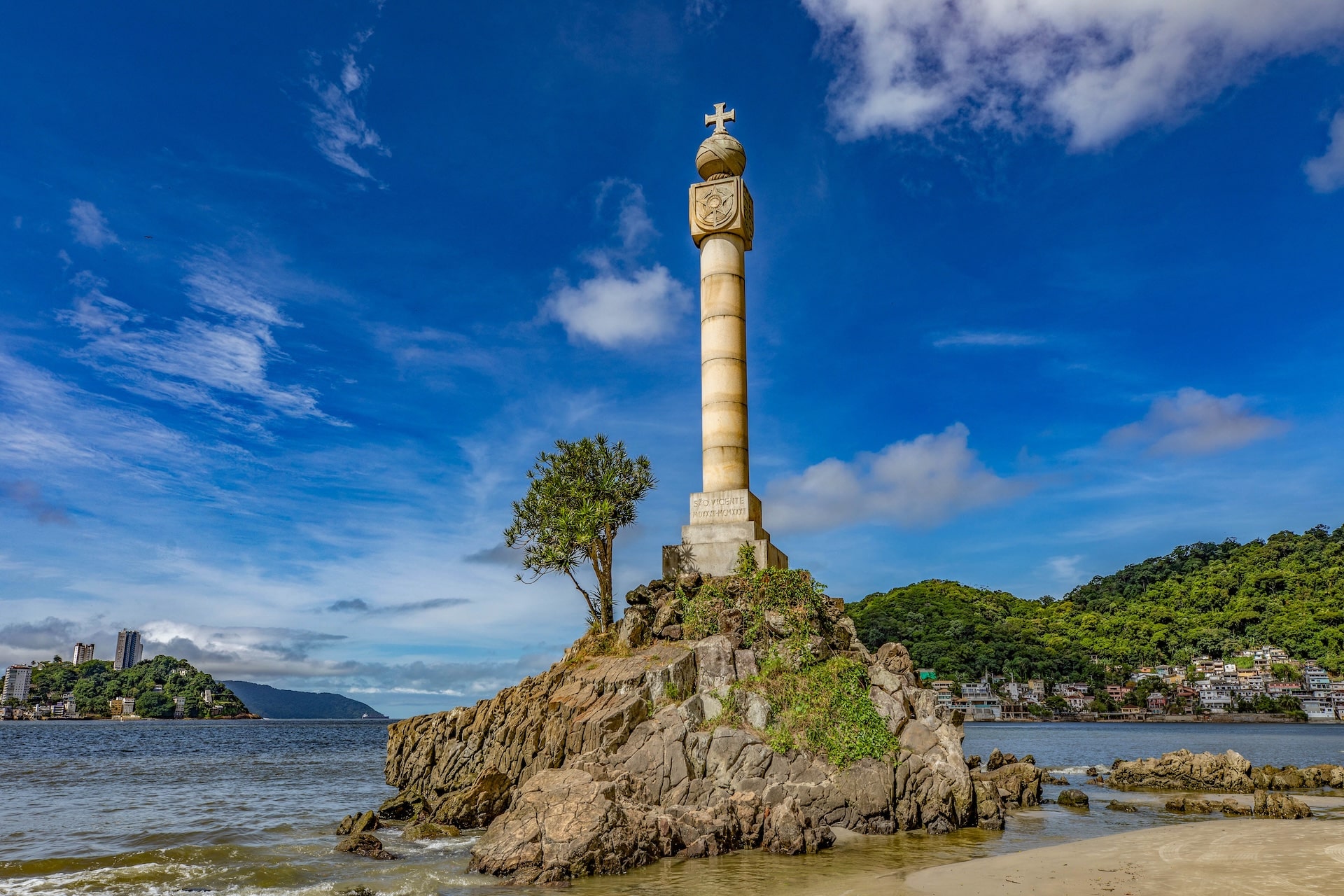
In 1502, an expedition led by Gaspar de Lemos and Amerigo Vespucci reached this stretch of the coast and named the island São Vicente, in honor of Saint Vincent of Saragossa, the patron saint of Lisbon. Long before the town was officially founded, a small settlement had already begun to take shape.
With the arrival of Martim Afonso de Sousa in 1532, Brazil’s first chartered town was established. This went way beyond a simple administrative decree—it kicked off the area’s permanent settlement, carving out the colony’s earliest civic and religious centers right along the waterfront.
Also in the 16th century, the area saw the construction of the Engenho dos Erasmos, one of the earliest large-scale sugar mills in Brazil. Over time, economic and geographic shifts funneled commercial activity toward neighboring Santos, but São Vicente held onto its identity as the cradle of the country.
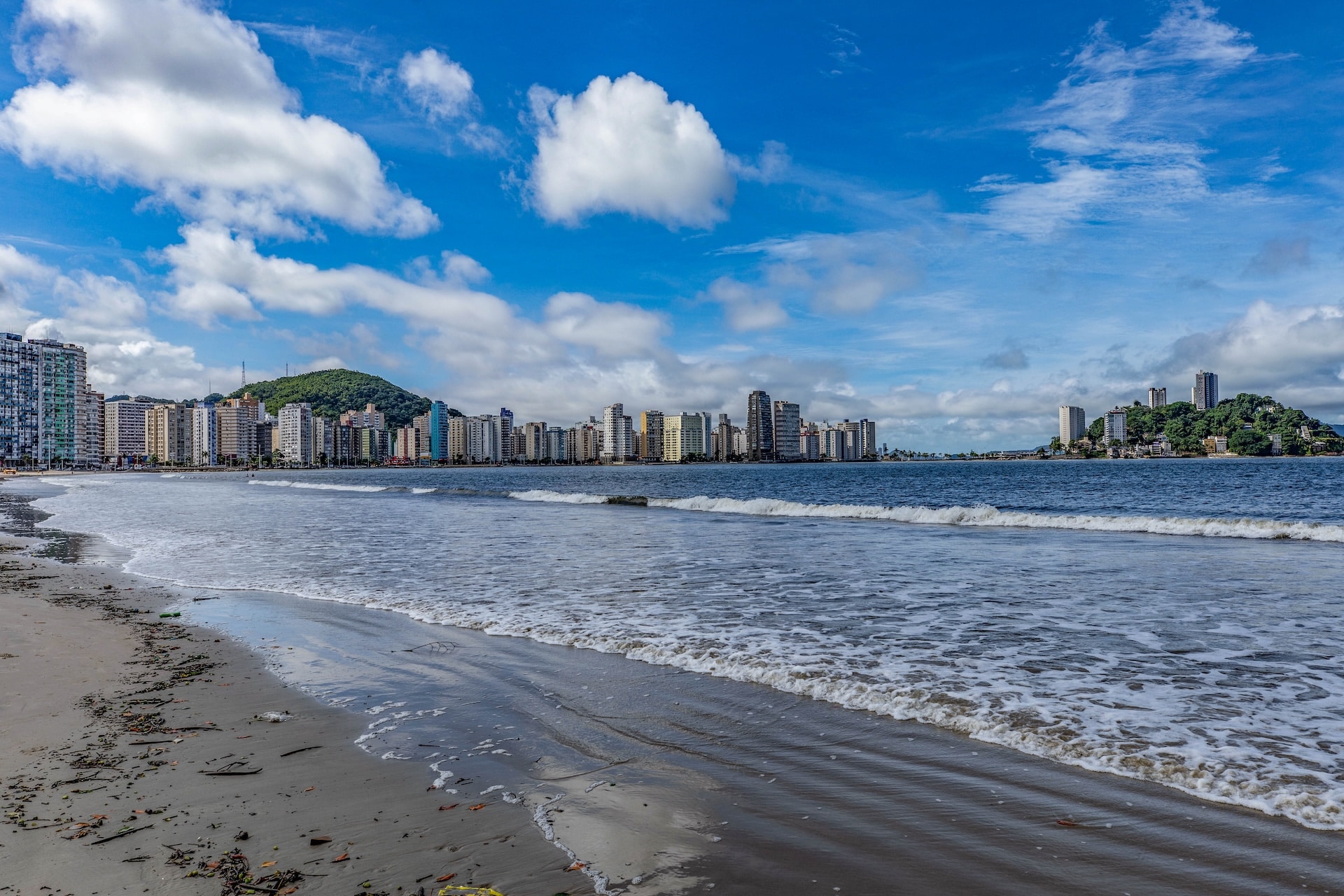
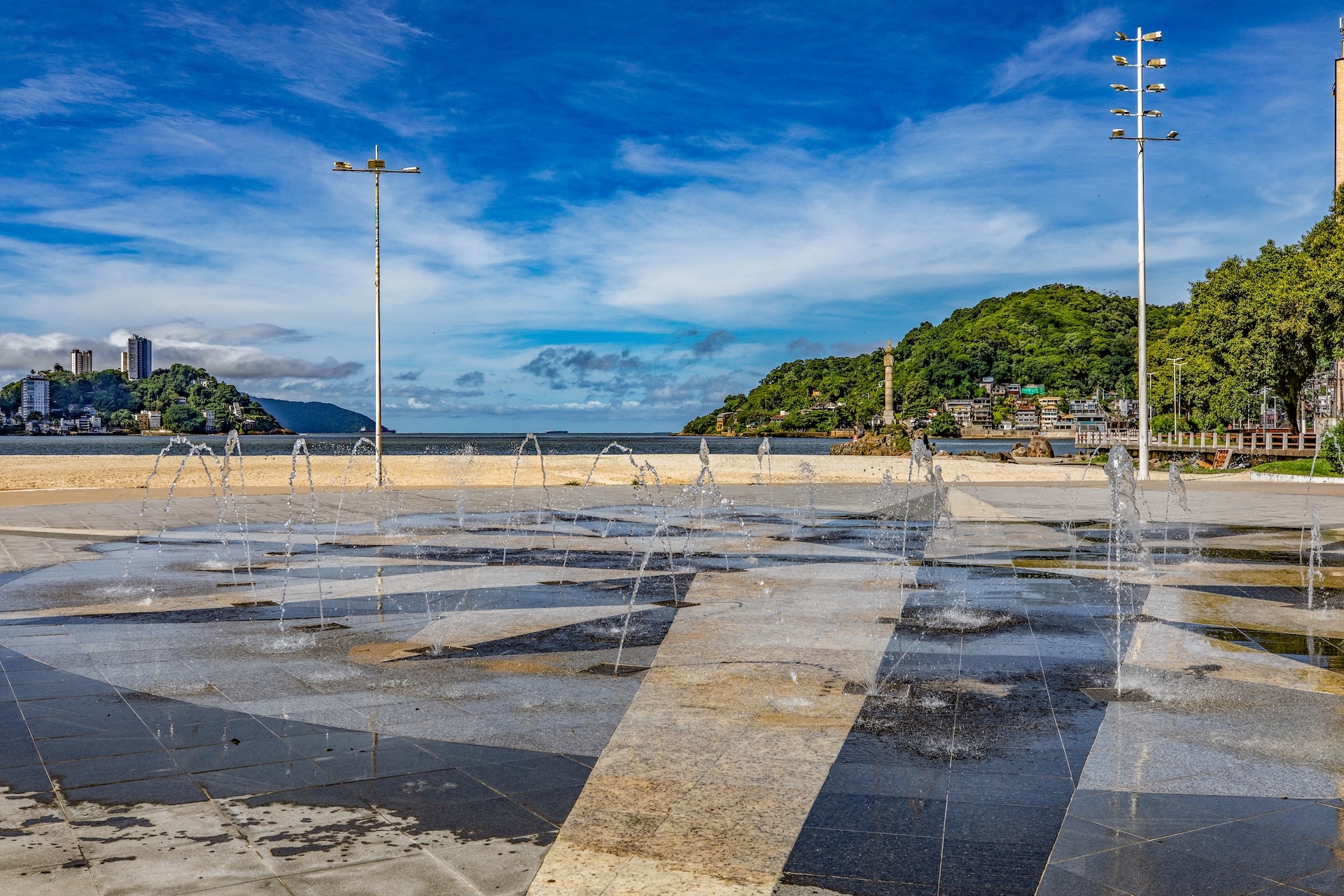
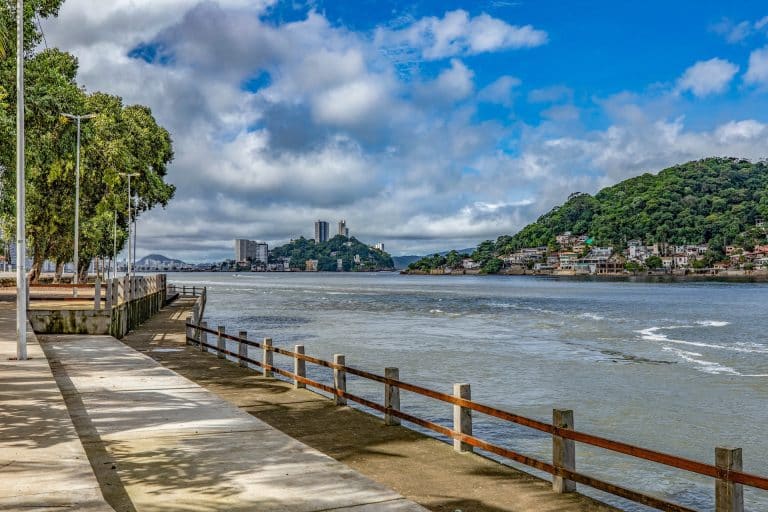
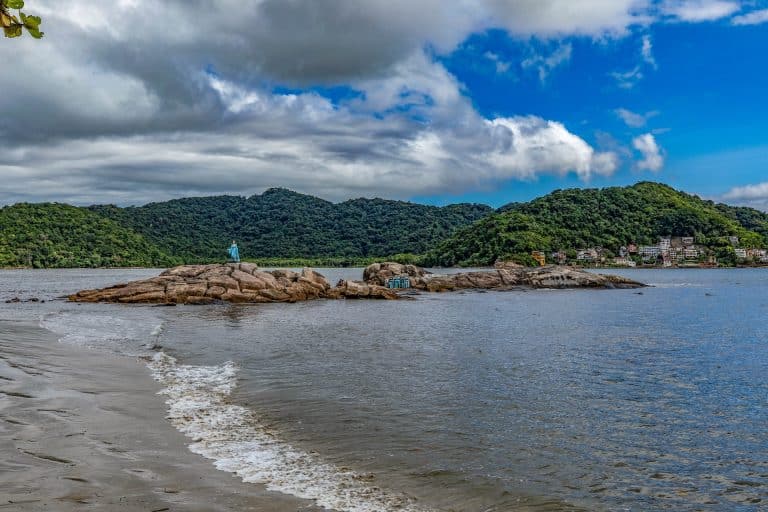
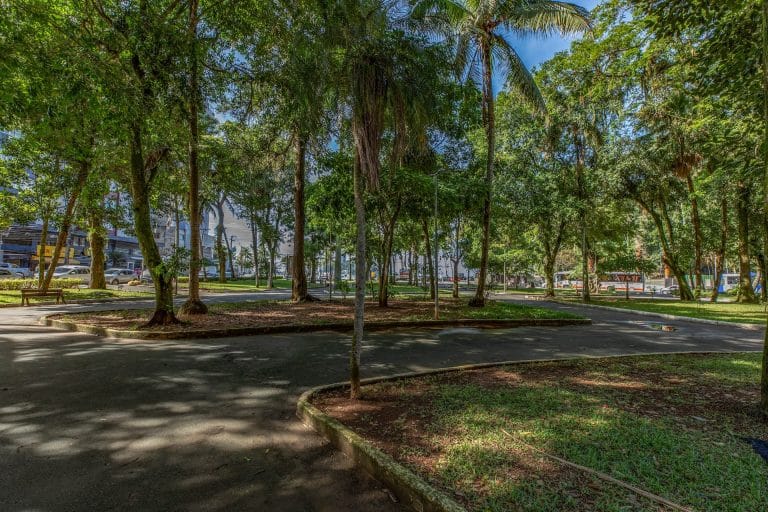
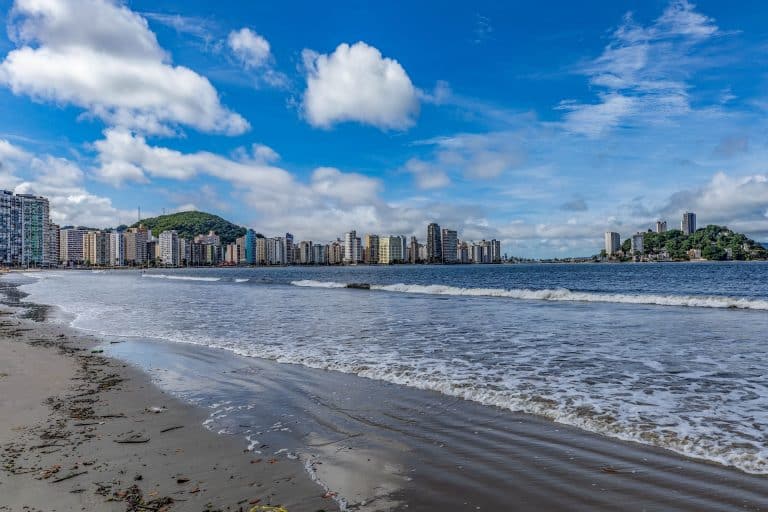
That historical character is still woven into the city’s modern landscape. Right in the center of São Vicente, Praia do Gonzaguinha sits on the very stretch of coast where the first Portuguese expedition landed. Lined with palm trees, the beach offers a wide, panoramic backdrop where the city meets the sea. It also hosts regular reenactments of the town’s founding, transforming the shoreline into a living stage and bringing the country’s history back to life.
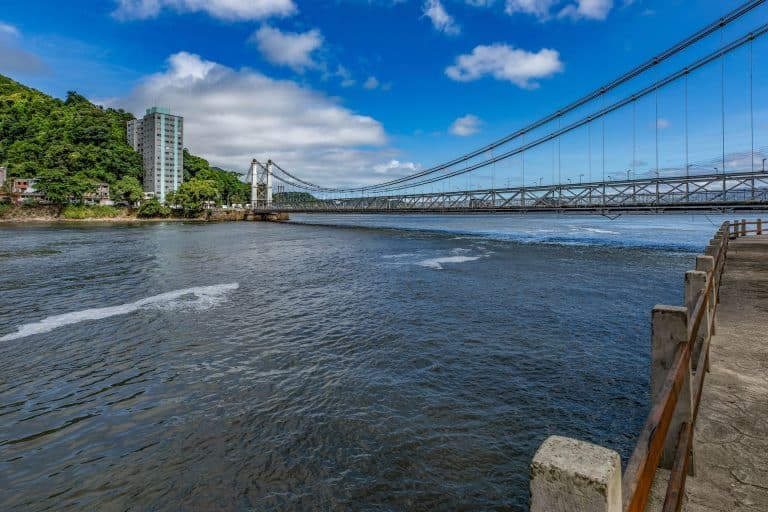
On the horizon, the Ponte Pênsil de São Vicente introduces a striking new element to the landscape. Built as part of Saturnino de Brito’s sanitation plan, the bridge opened in 1914; it was Brazil’s very first suspension bridge. Its sweep of steel cables and steel framework links the island to the mainland, stretching across the water and lending the landscape a powerful sense of scale and movement.
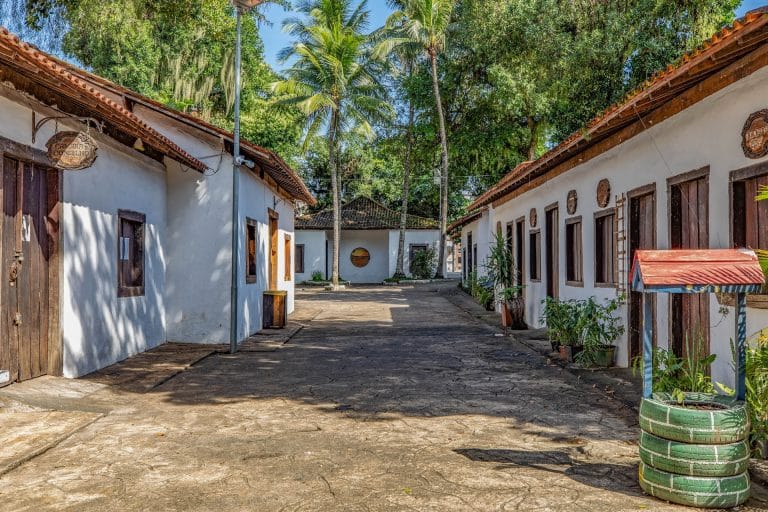
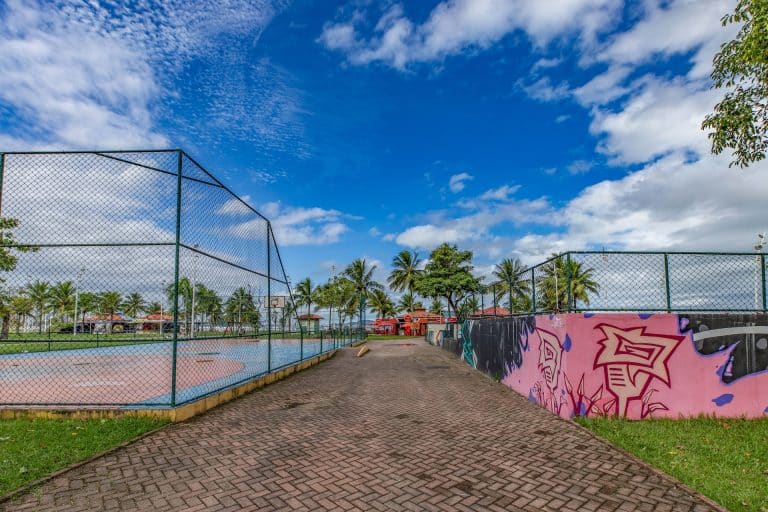
For a step back in time, the Parque Cultural Vila de São Vicente evokes the atmosphere of early colonial Brazil. Lined with buildings inspired by 16th-century architecture, the site essentially serves as a standing period set, providing a ready-made historical backdrop for recreating São Vicente’s earliest days.
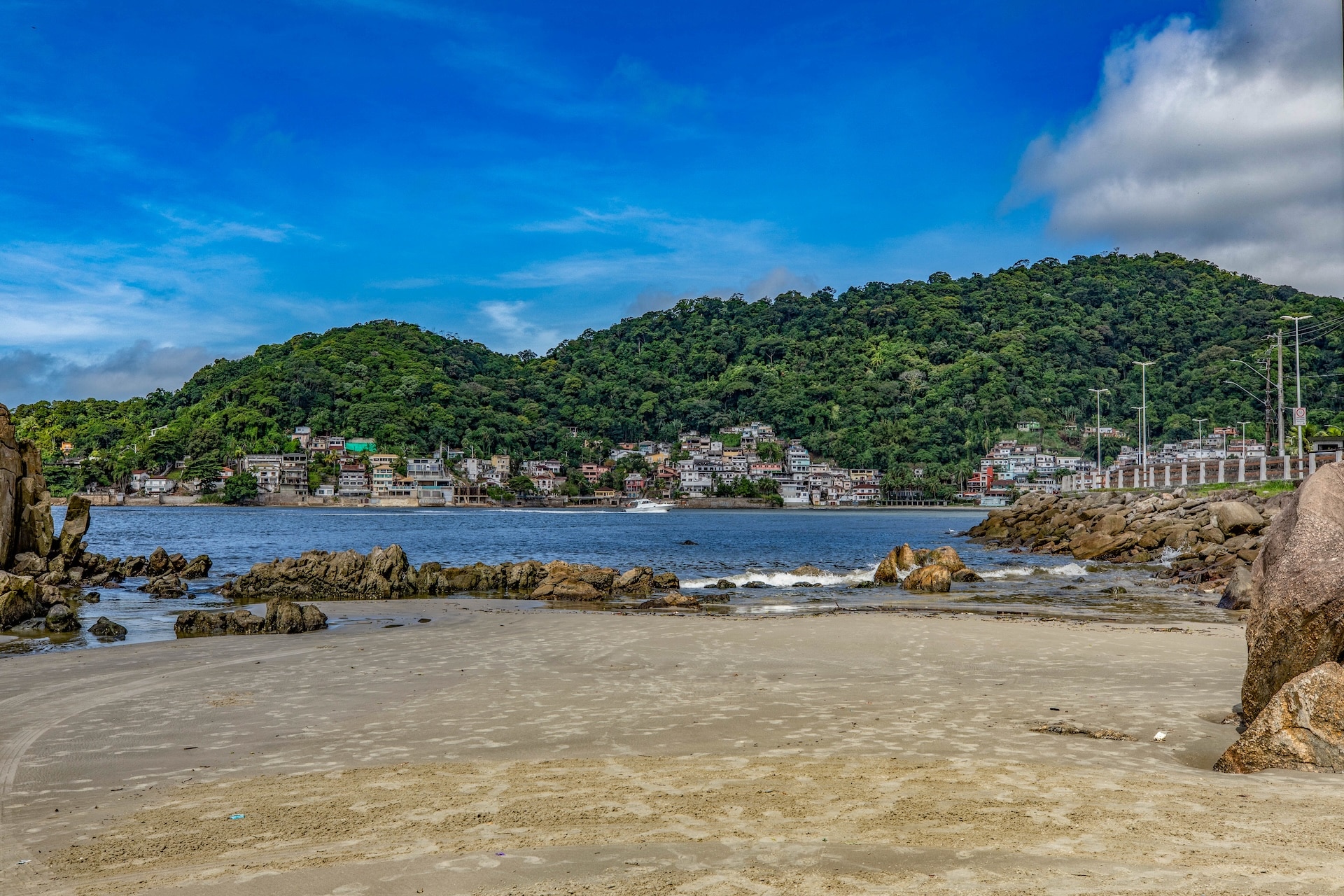
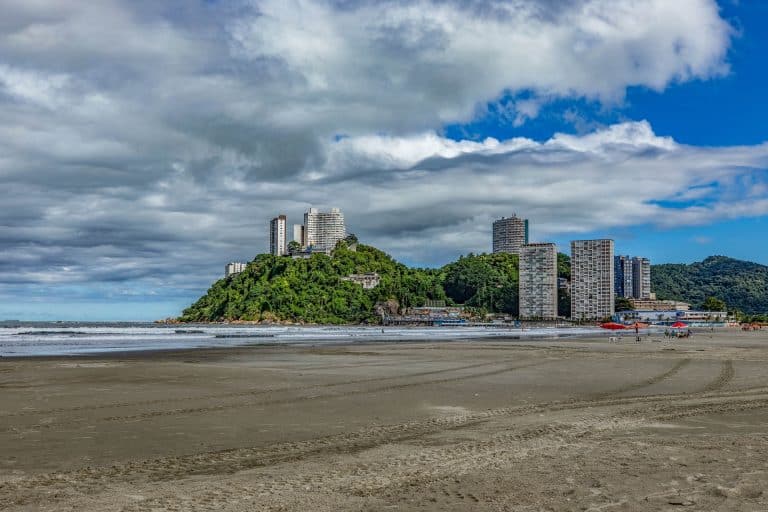
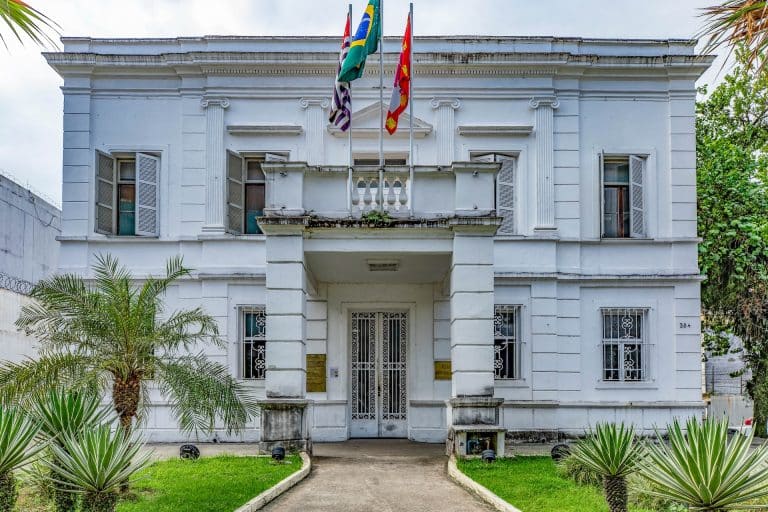
São Vicente effortlessly bridges the gap between its coastal landscape, colonial history, and modern cityscape. Located in the Baixada Santista and connected directly to São Paulo via major highways, the city pairs seamless logistics with a powerful sense of identity, offering a compelling, versatile, and multi-layered setting for any audiovisual production.
Technical Information
Nearest international airport: Guarulhos (GRU)
Distance to nearest airport: 117 km
Distance to São Paulo: 72 km