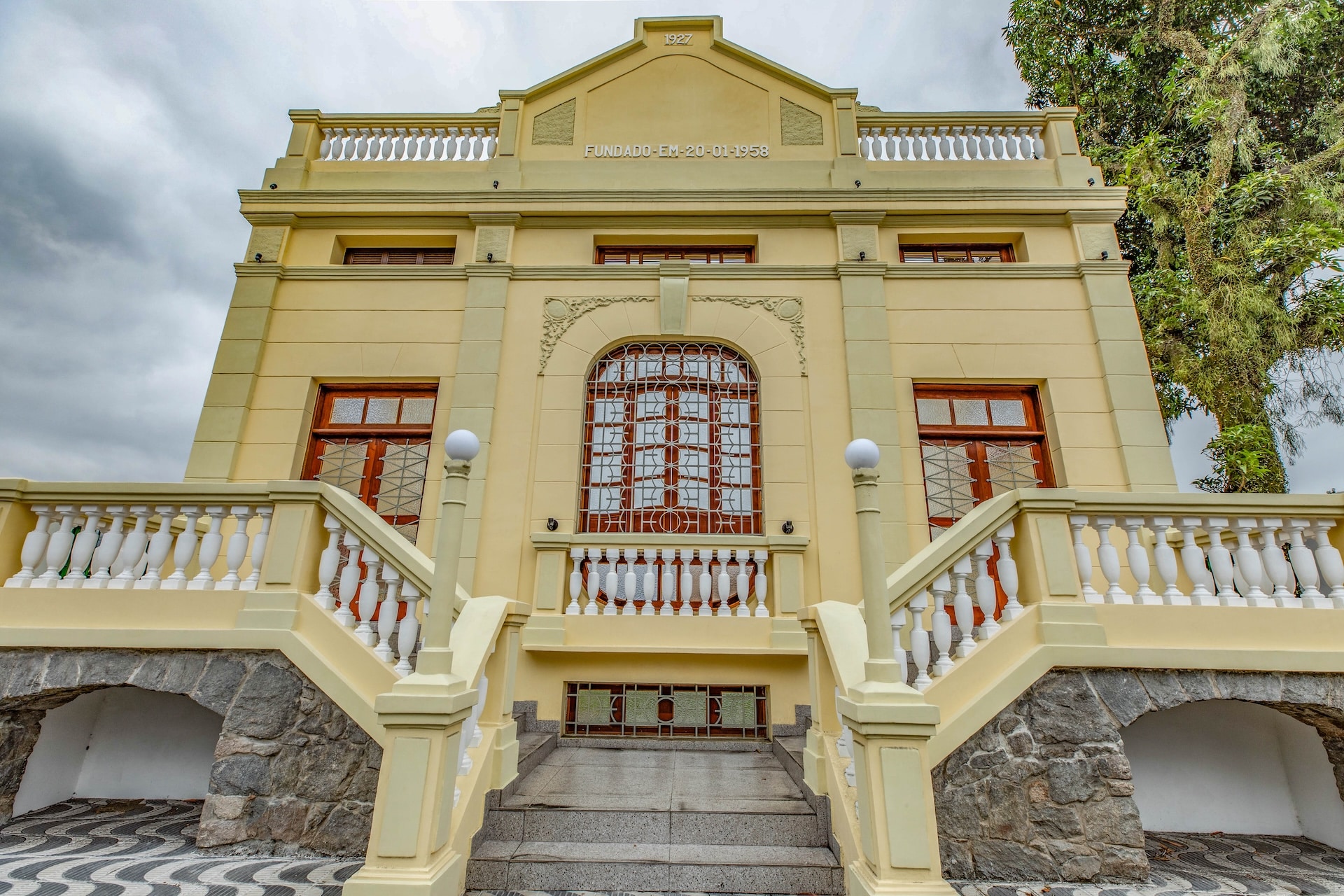
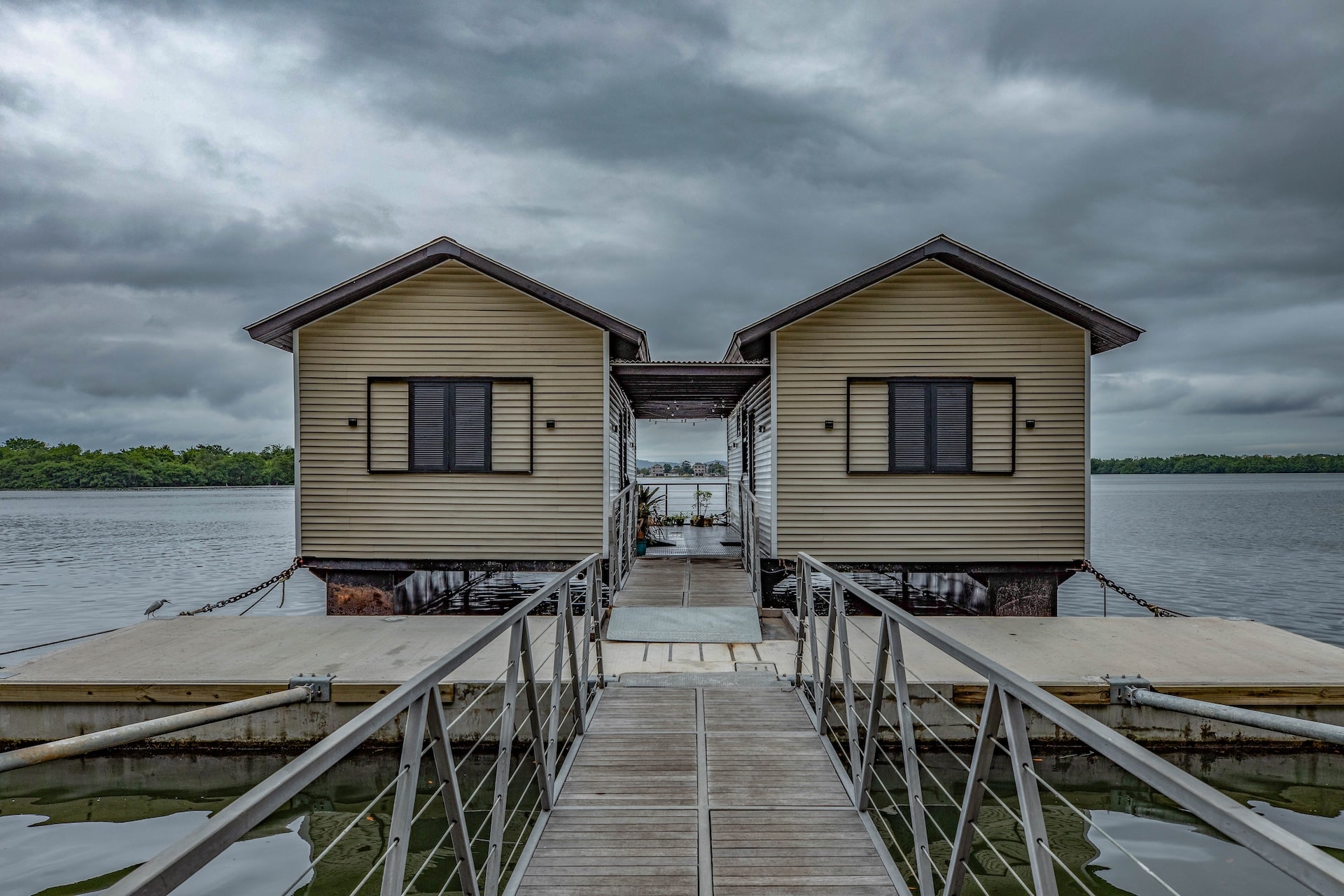
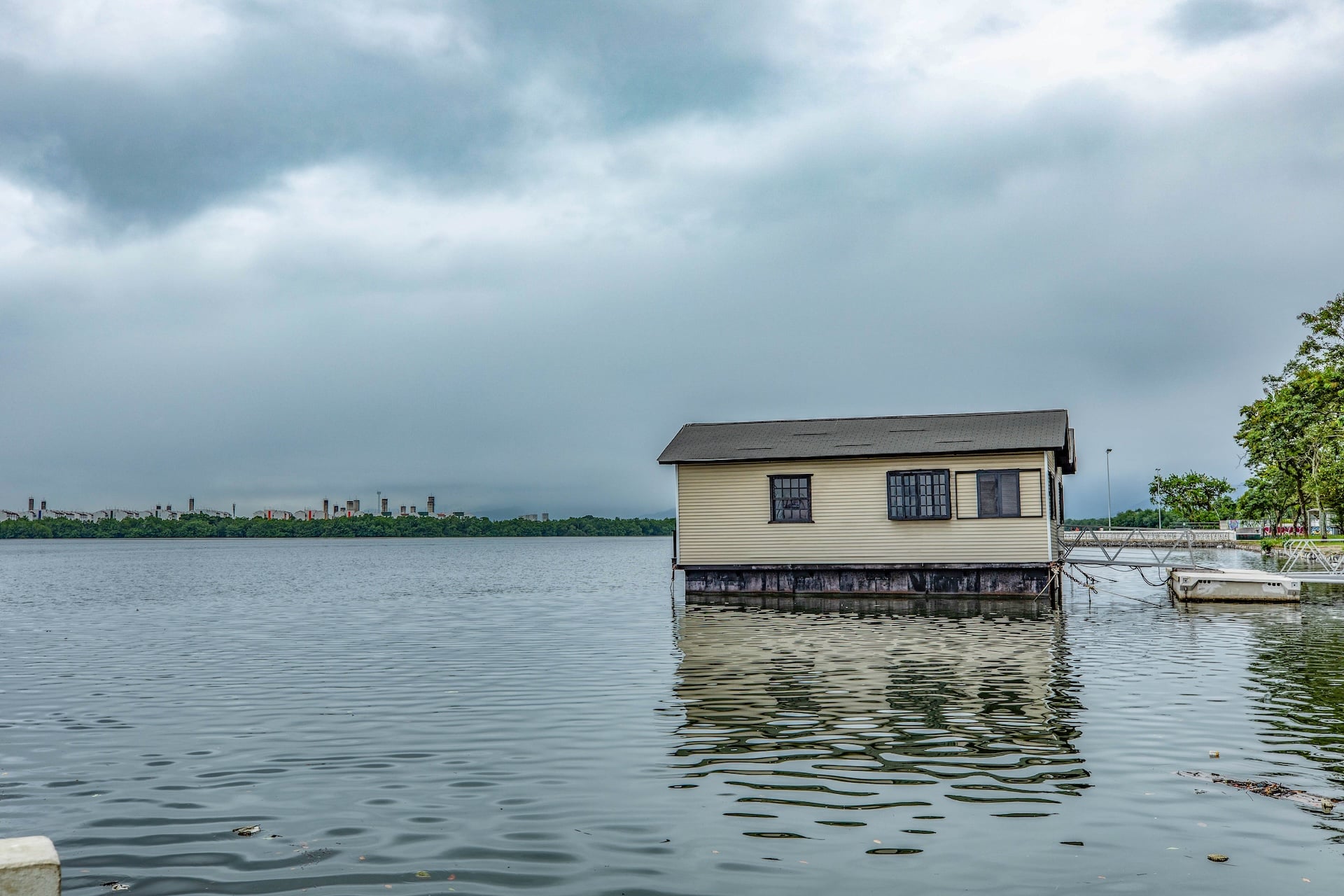
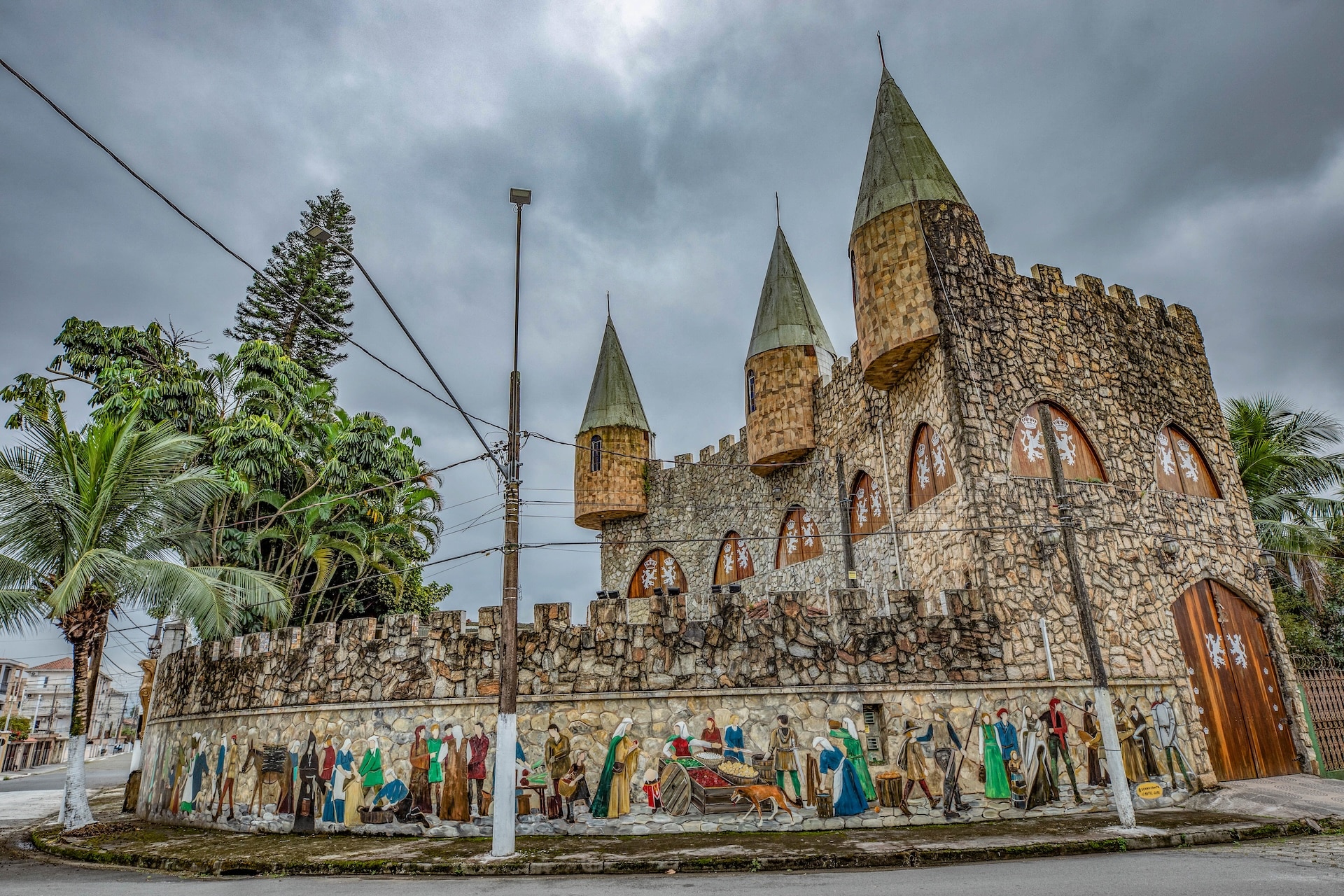
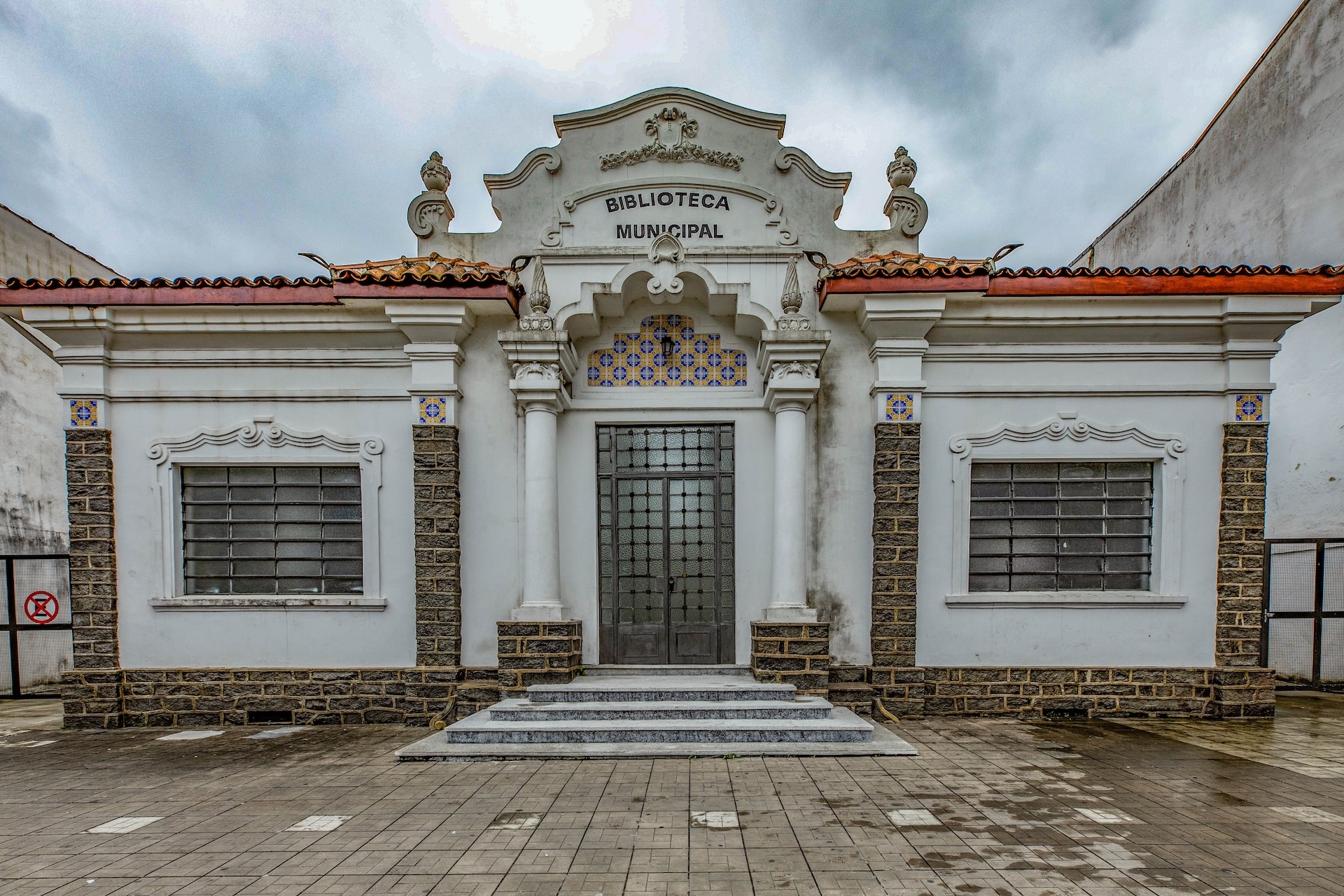
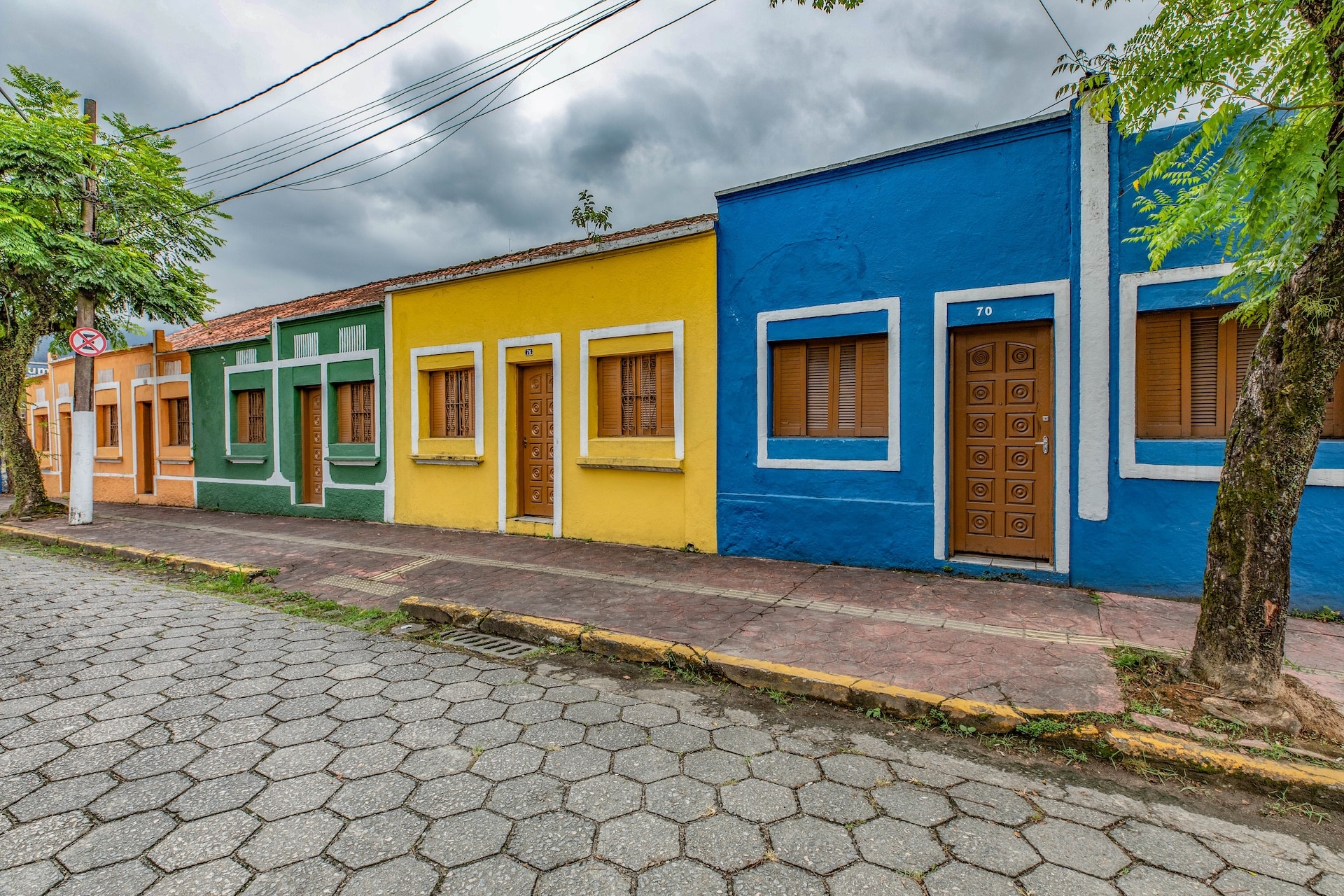
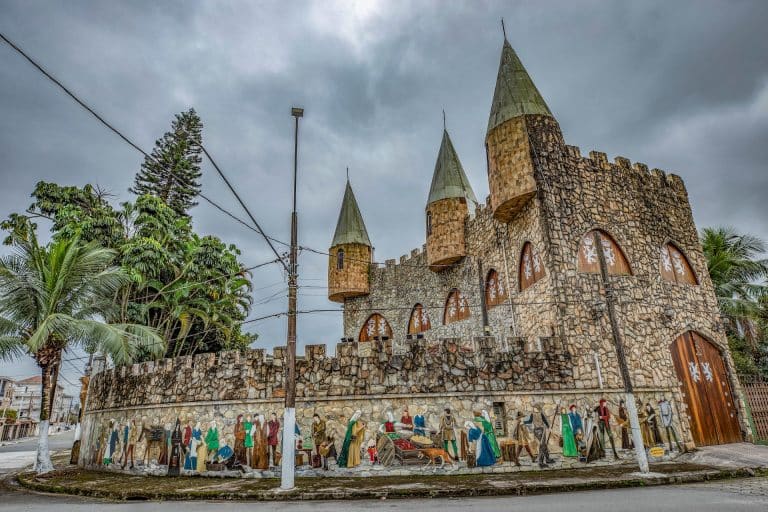
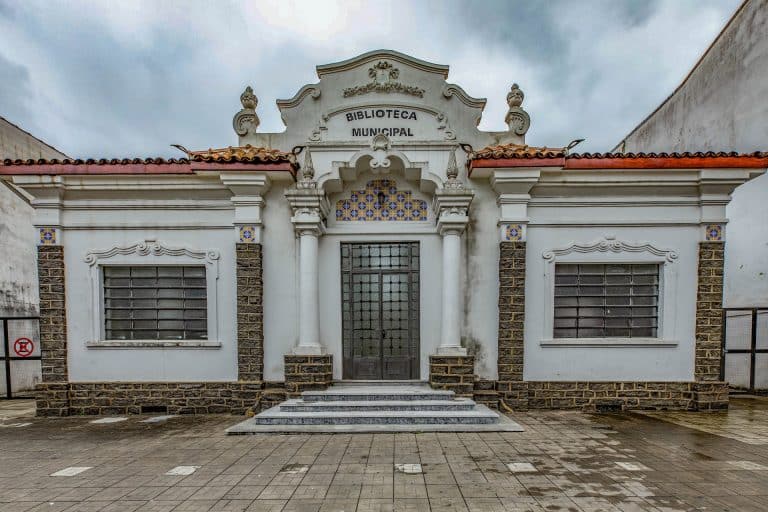
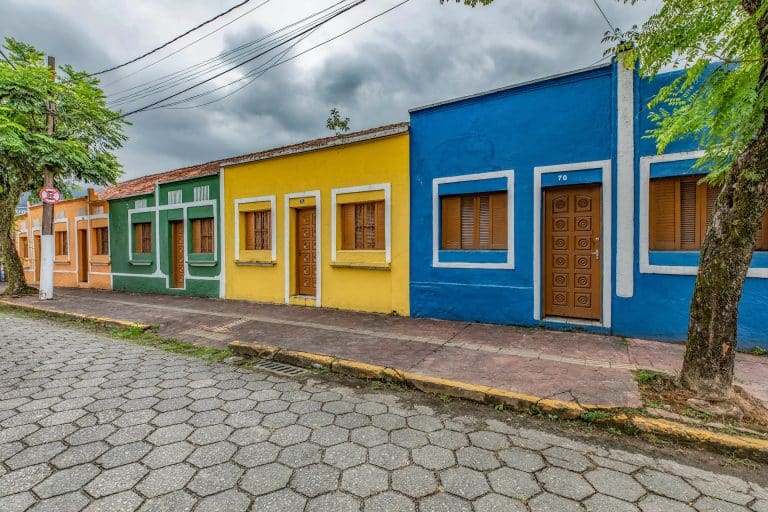
Situated between the Serra do Mar mountain range and the coastal lowlands of the Baixada Santista, Cubatão gained municipal independence in 1949. The city’s identity has always been shaped by its role as a vital corridor between the coast and the inland plateau—a historic route traveled by Jesuits, tropeiros [muleteers], traders, and expedition groups who, over time, found different ways to cross the mountains.
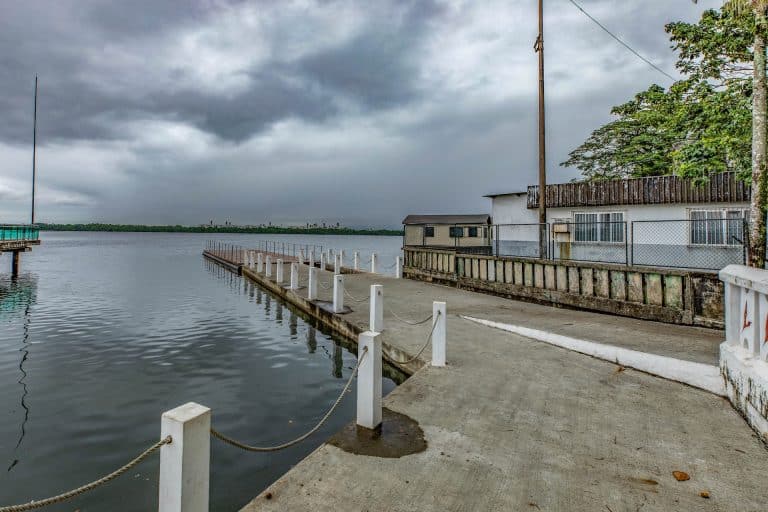
This route originally followed waterways such as Mar Pequeno, the Canal dos Barreiros, and the Cubatão and Mogi rivers, forming a passage that eventually connected with Indigenous trails. It then climbed into the mountains, first along Tupiniquim routes and later the Caminho do Padre José (Father José’s Path), before taking definitive shape with the construction of the Calçada do Lorena in 1792. The paved road became the main link between the coast and the rest of São Paulo, leaving a lasting imprint on the landscape, which can still be partially hiked today.
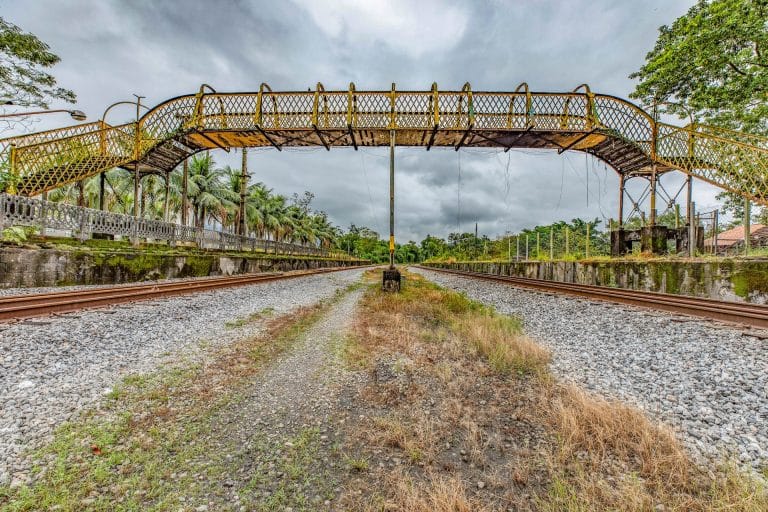
In the 19th century, new infrastructure reshaped this transit corridor. The Estrada de Ferro Santos-Jundiaí railway introduced a new transport dynamic, and in the 20th century, the Henry Borden Hydroelectric Power Plant used the steep elevation drop of the Serra do Mar to generate hydroelectric power. The opening of the Anchieta Highway, along with the arrival of major industrial complexes such as the Presidente Bernardes Refinery and Companhia Siderúrgica Paulista – Cosipa, drove rapid urban growth, establishing the city as one of Latin America’s leading industrial hubs.
Cubatão’s visual character is shaped by the intersection of infrastructure, industry, and the Atlantic Forest. Pipelines, smokestacks, and steel structures sit against mountain ridges, rivers, and conservation areas, creating stark contrasts that lend themselves to a wide range of audiovisual productions.
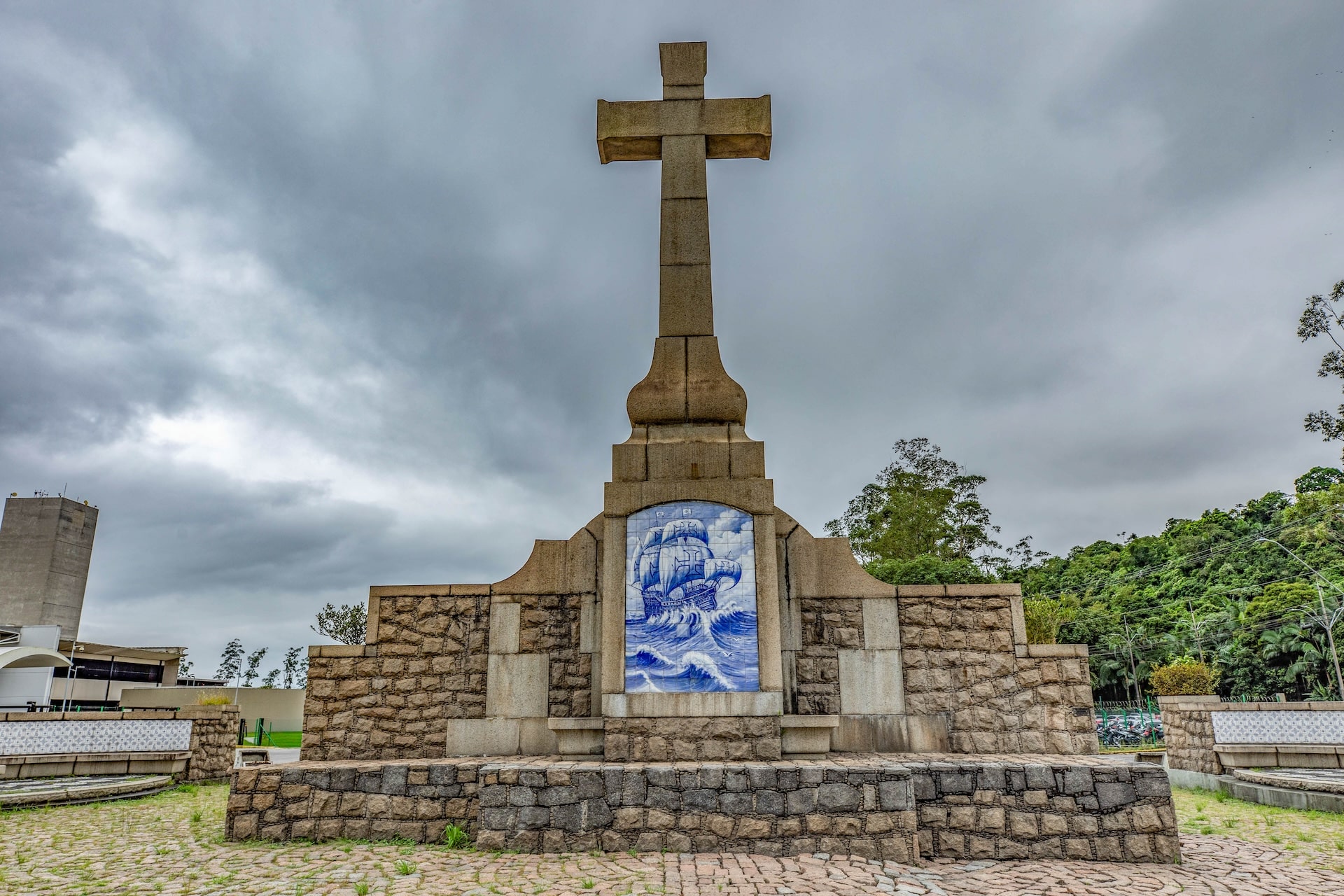
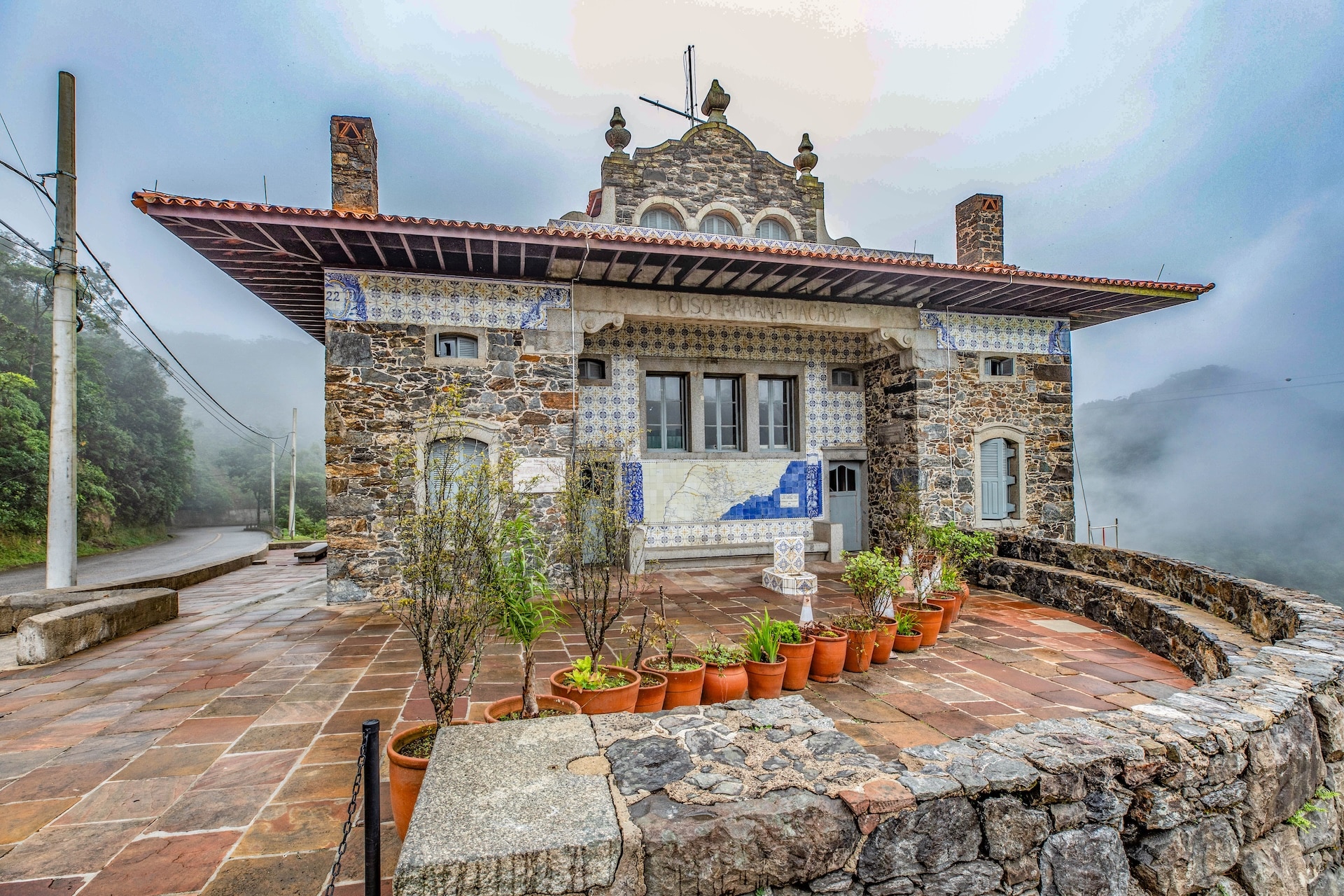
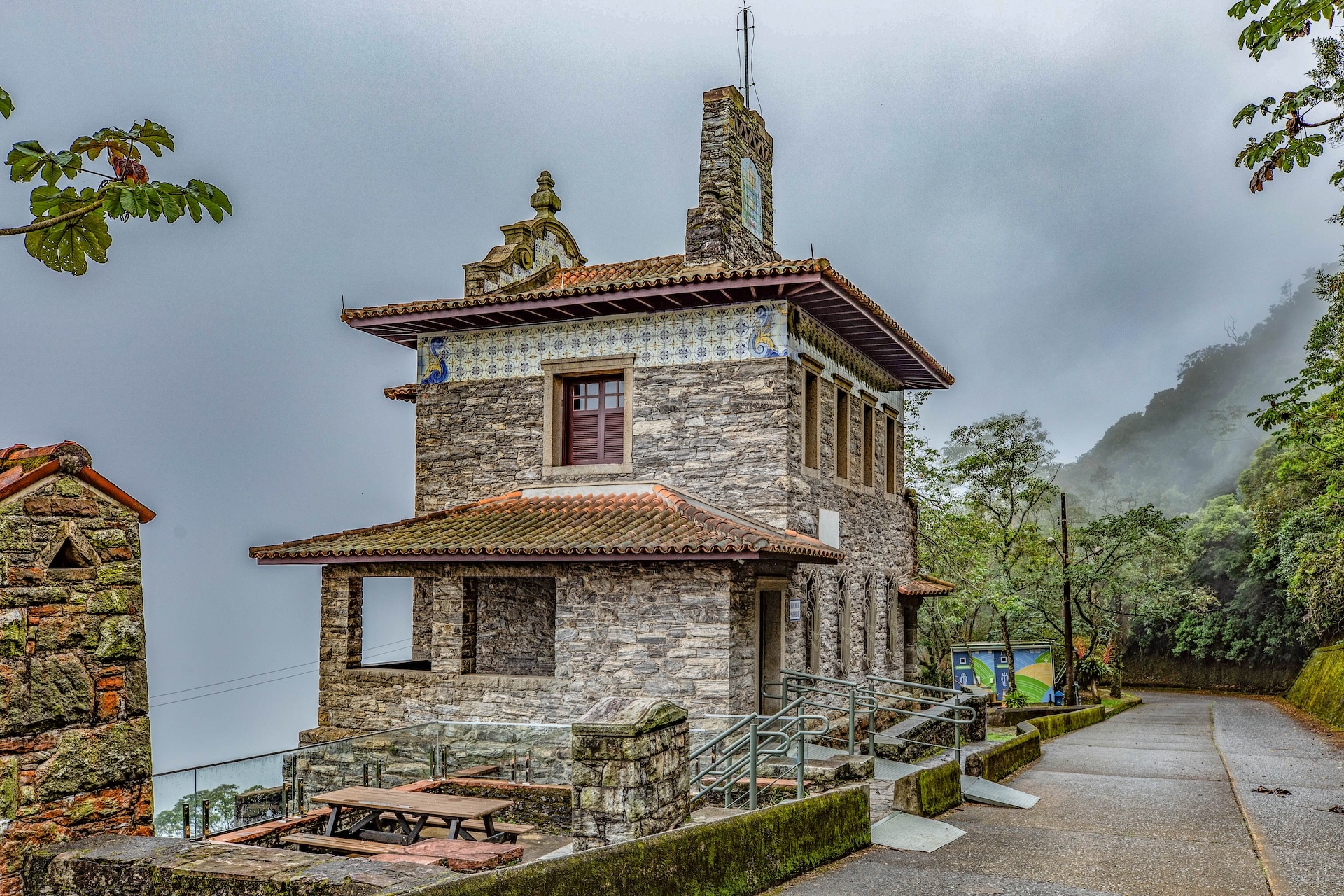
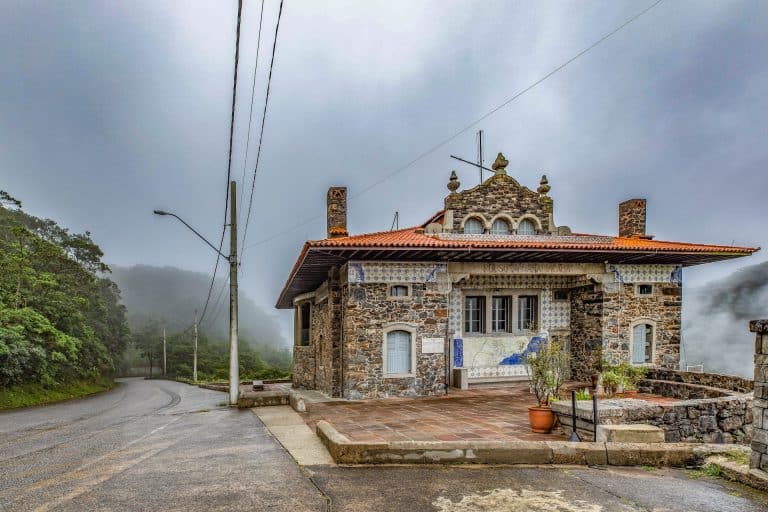
This relationship between infrastructure and landscape is clearly visible at Parque Caminhos do Mar, where a nine-kilometer road winds down the mountain in curves often shrouded in mist, offering panoramic views of Cubatão. Historical monuments line the route, including the Calçada do Lorena, the Pouso de Paranapiacaba, and the Rancho da Maioridade, stone structures designed by architect Victor Dubugras, which stand along the route as emblematic landmarks of local history.
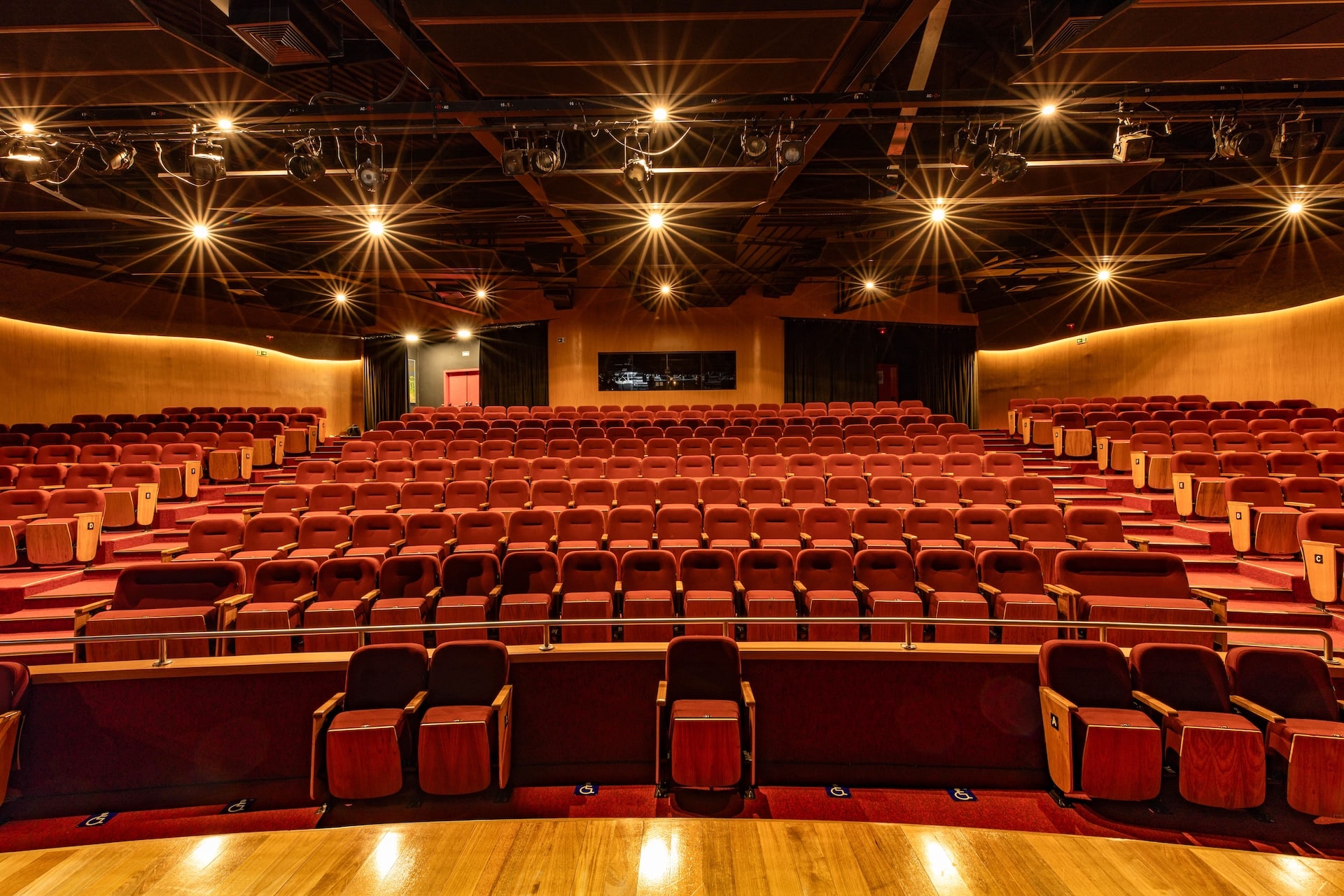
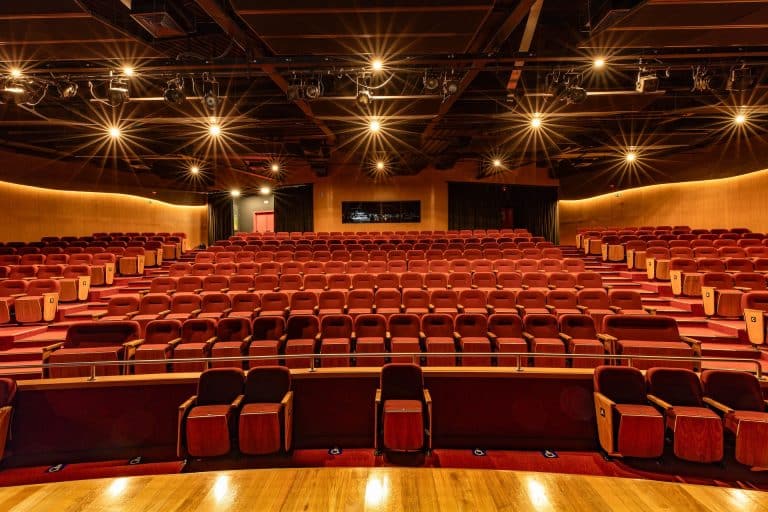
In the urban setting, the Teatro Municipal Zanzalá, inaugurated in 2025, lends the city a contemporary dimension. Located within Parque Anilinas, the venue is equipped with modern technical infrastructure. Inside, the design features a striking visual contrast between vibrant red upholstered seating and light wood accents.
Cubatão is shaped by rivers, trails, concrete, and mist, where natural, historical, and industrial environments overlap. Located in the Baixada Santista and connected to the capital via major highways, the city offers easy access and a wide variety of settings for audiovisual productions.
Technical Information
Nearest international airport: Guarulhos (GRU)
Distance to nearest airport: 102 km
Distance to São Paulo: 70 km