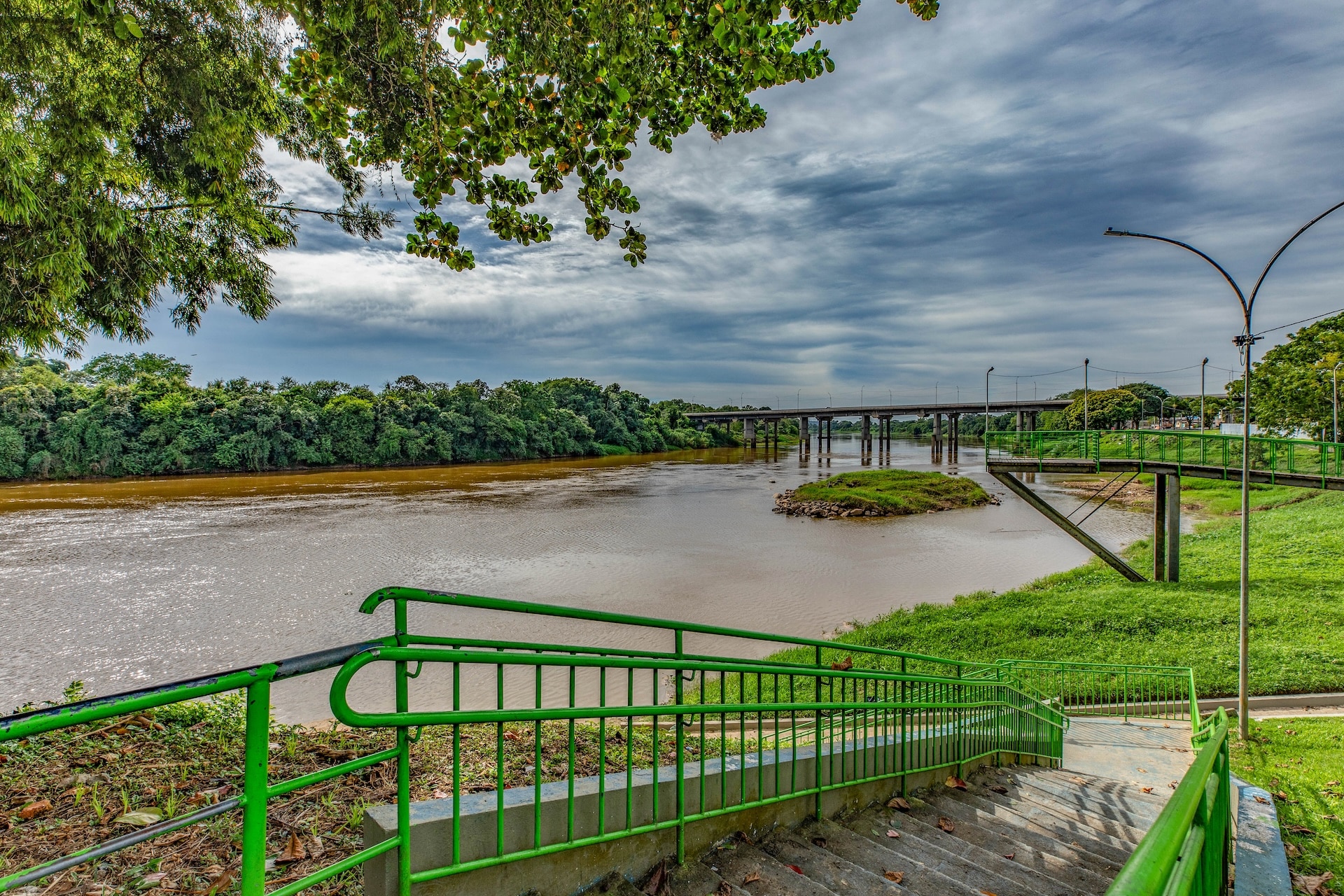
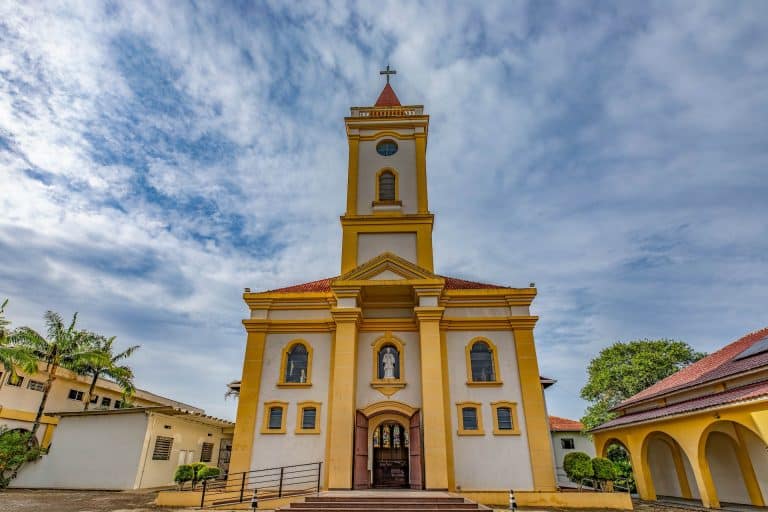
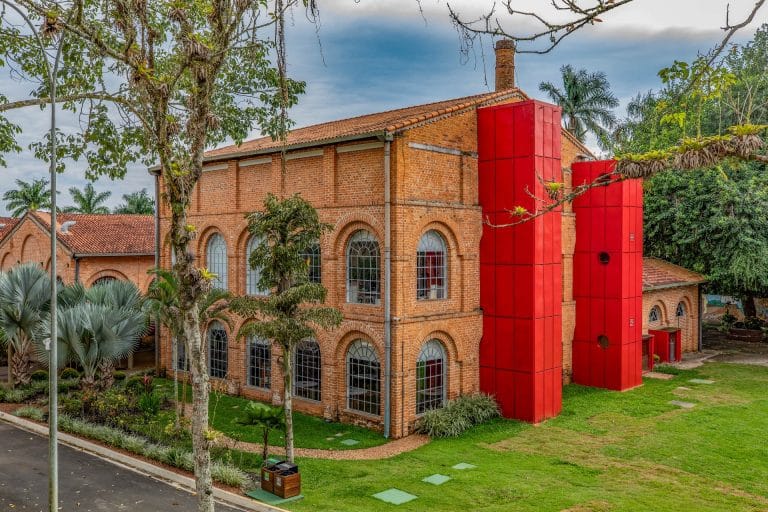
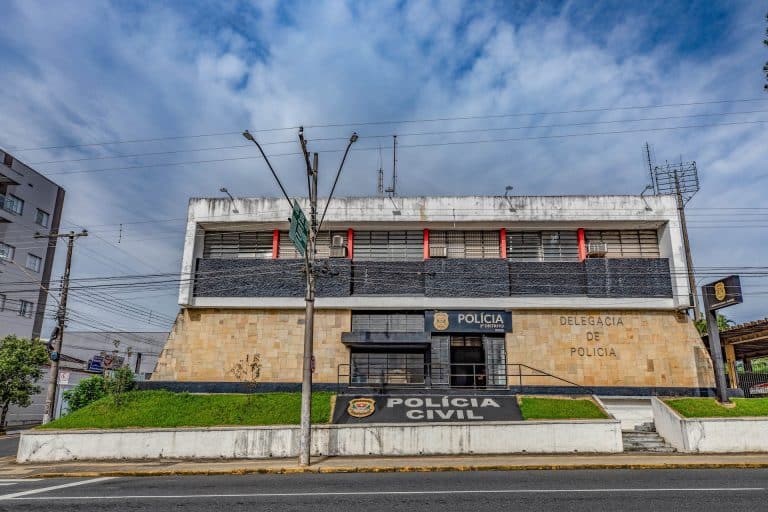
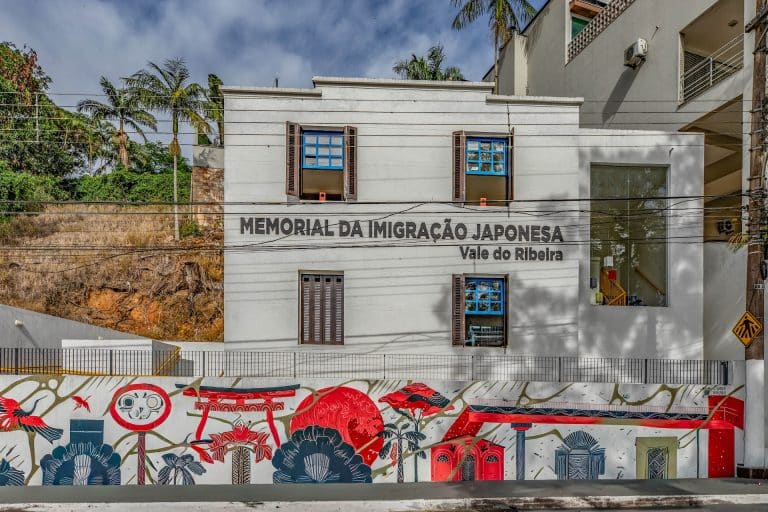
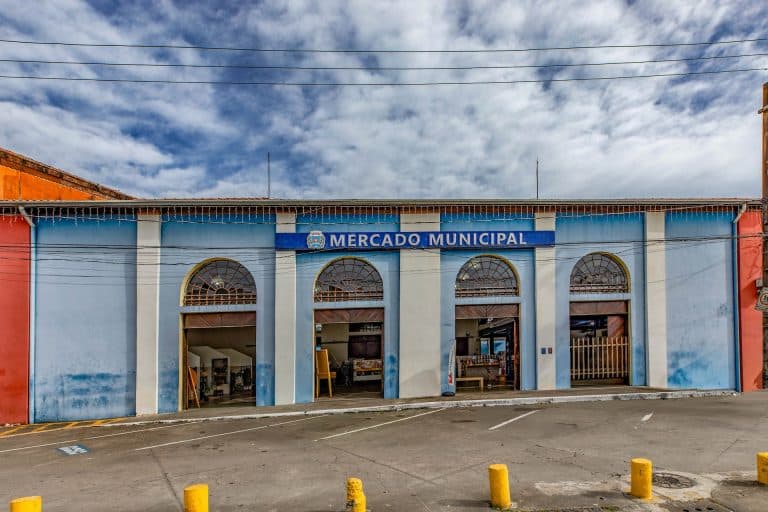
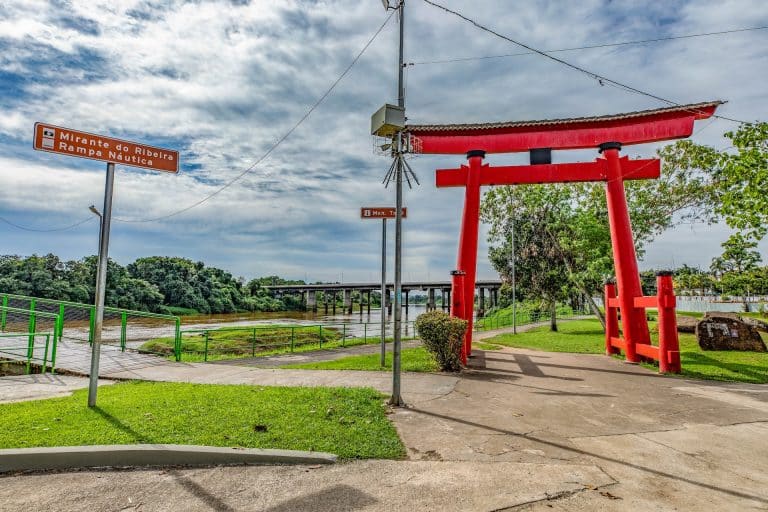
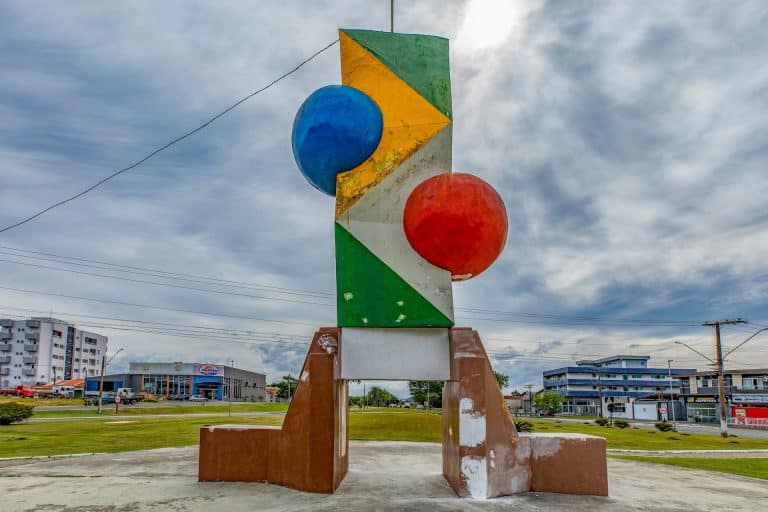
In the 17th century, the Ribeira de Iguape River was one of the main routes for transporting gold from the interior of São Paulo. Boats stopped here to have their cargo inspected and recorded—or registrado—by the Portuguese Crown, and the settlement that grew around the customs checkpoint became known as Registro—or record.
With the decline of the gold trade in the 18th century, the region turned increasingly to agriculture, while the Ribeira de Iguape River remained at the heart of local life. That changed dramatically in 1913, with the arrival of the first Japanese immigrants, marking the beginning of a new era of settlement and cultivation.
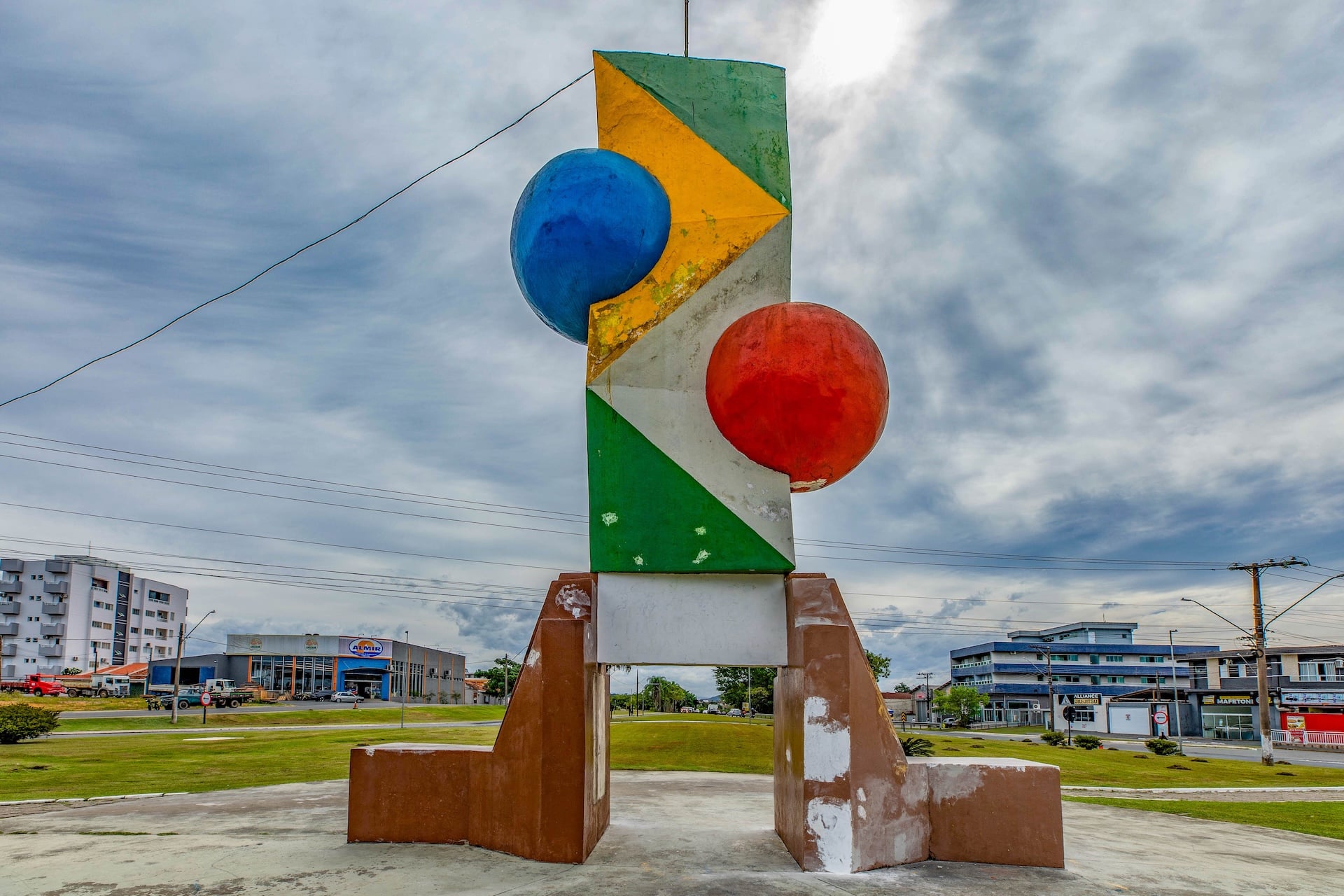
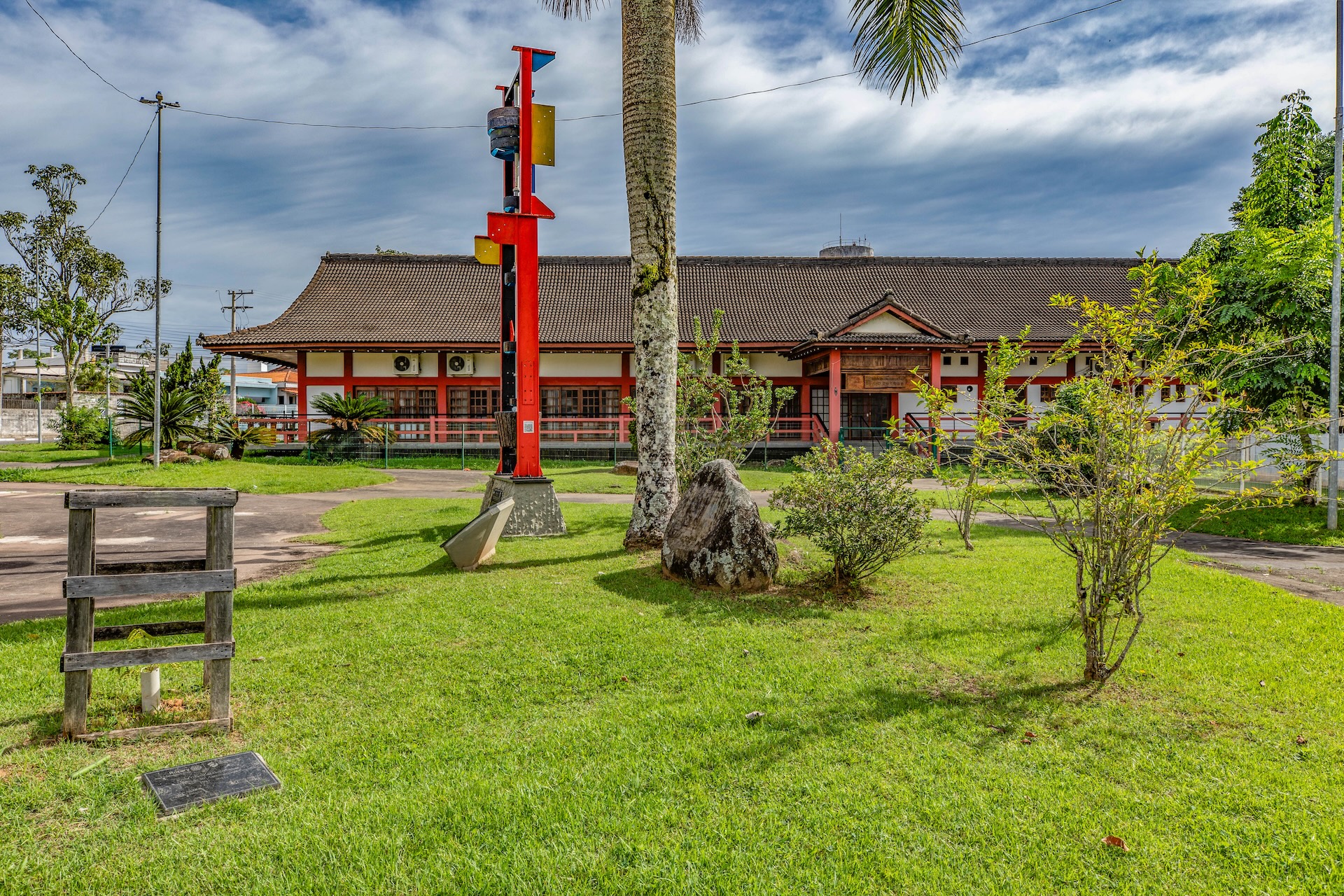
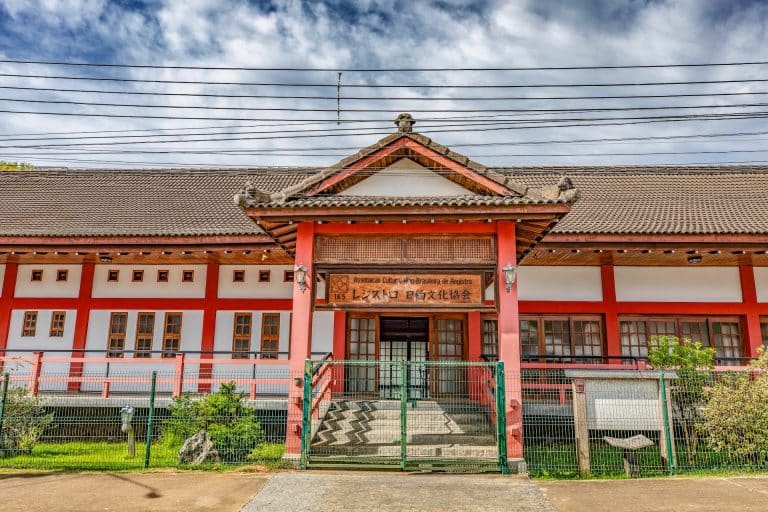
Registro was granted municipal status in 1944, by which time it had become one of the principal hubs of Japanese settlement in São Paulo State. The influence of that history can still be seen across the landscape, where agricultural traditions, craftsmanship, and community institutions have endured for generations and now define many of the city’s most distinctive locations.
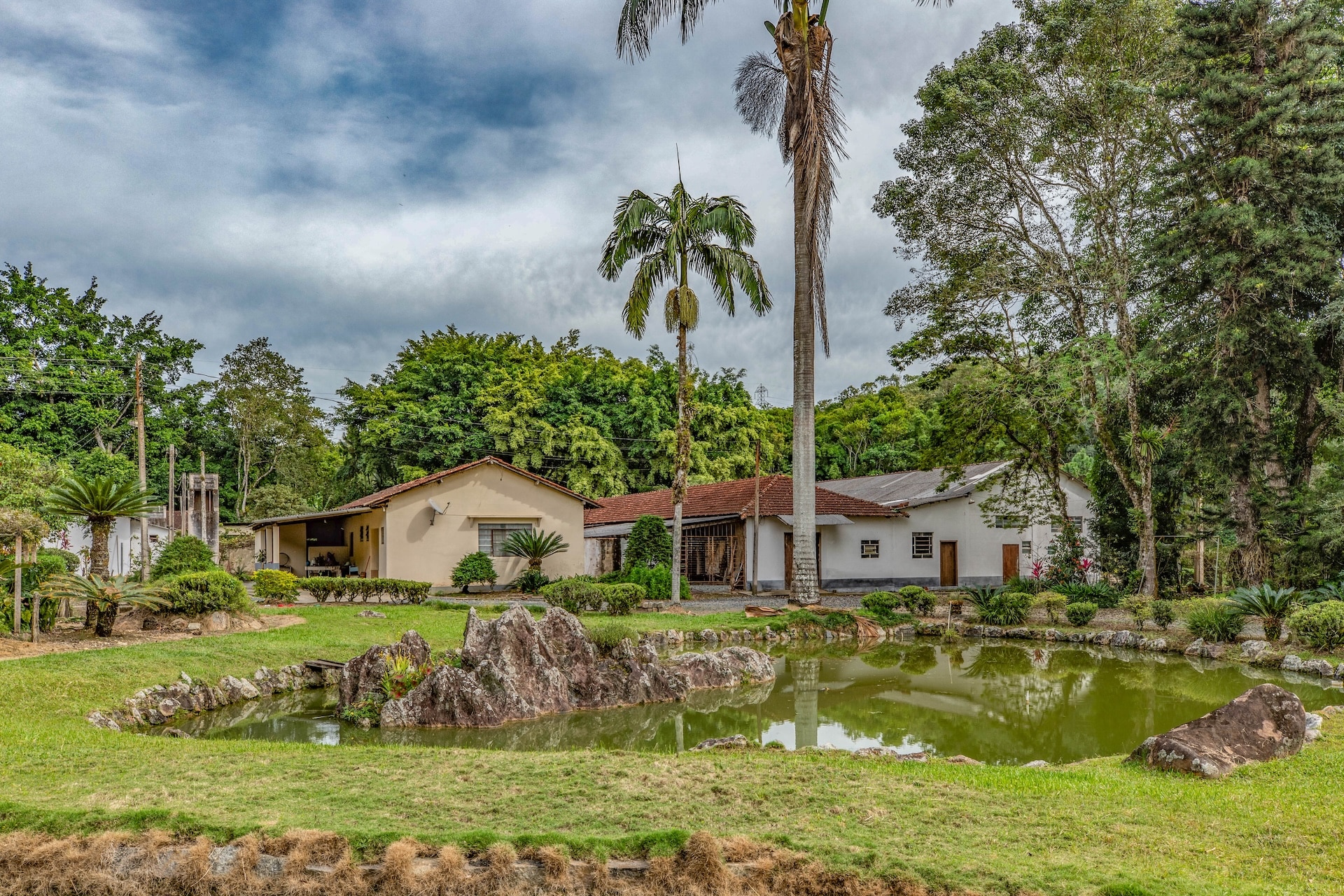
One of the clearest legacies of Japanese immigration can be found at DAI Artefatos de Junco (DAI Rush, or Juncaceae, Artifacts), a site that grew directly out of the agricultural adaptations introduced by Japanese immigrants over the course of the 20th century. Founded in 1957, the workshop oversees every stage of the process, from cultivating and harvesting rush to preparing the fibers and weaving them on traditional looms. The craft remains an important part of the region’s cultural and economic life.
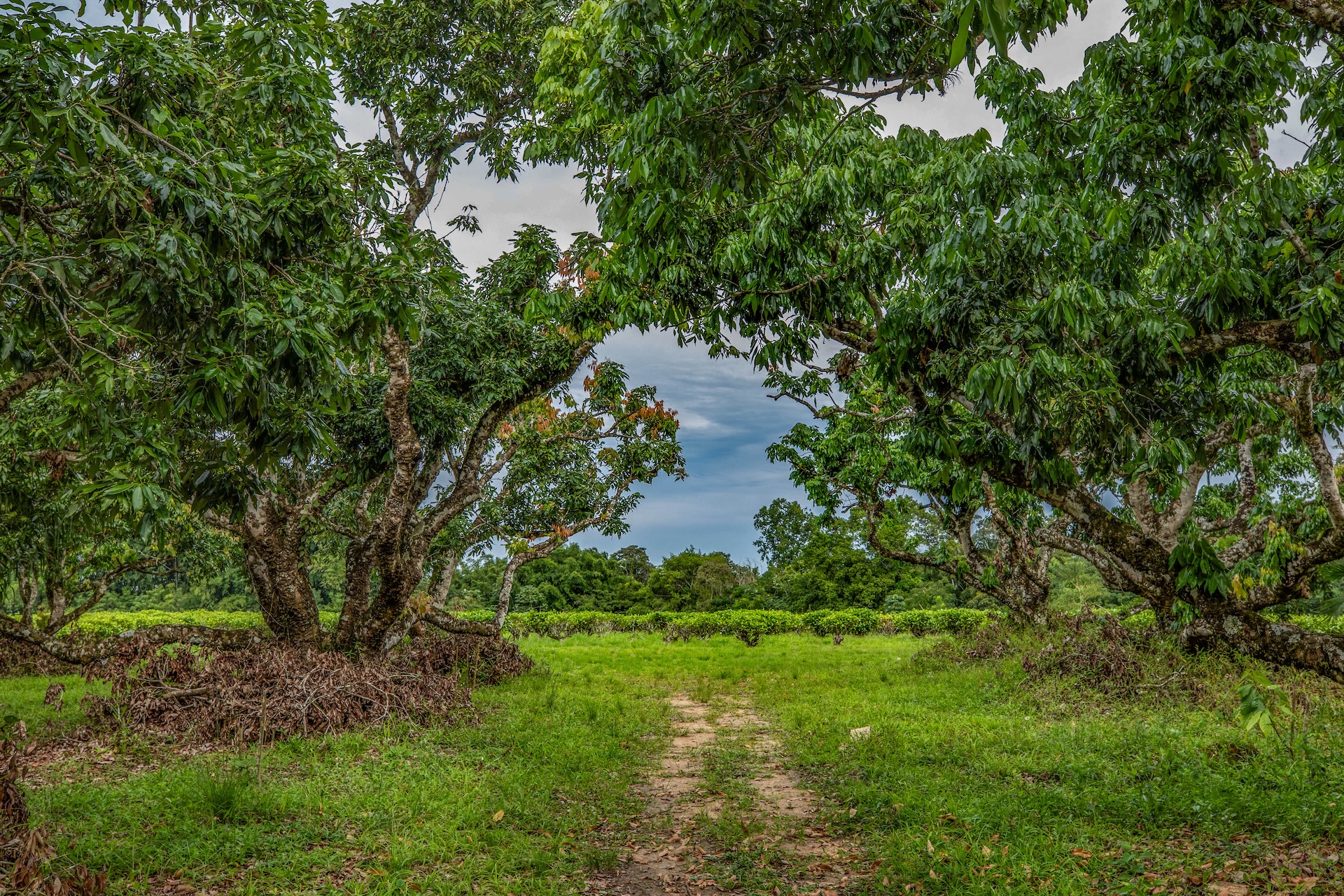
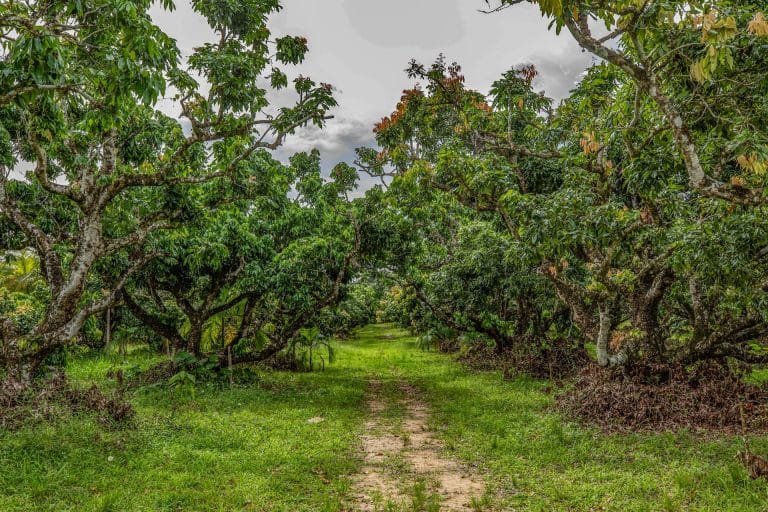
Tea cultivation has been part of the Vale do Ribeira since Japanese immigrants introduced the crop in the 1930s. At Sítio Shimada, that tradition continues today. Since artisanal production resumed in 2014, tea has once again been grown, harvested by hand, and processed on site, preserving techniques passed down through generations.
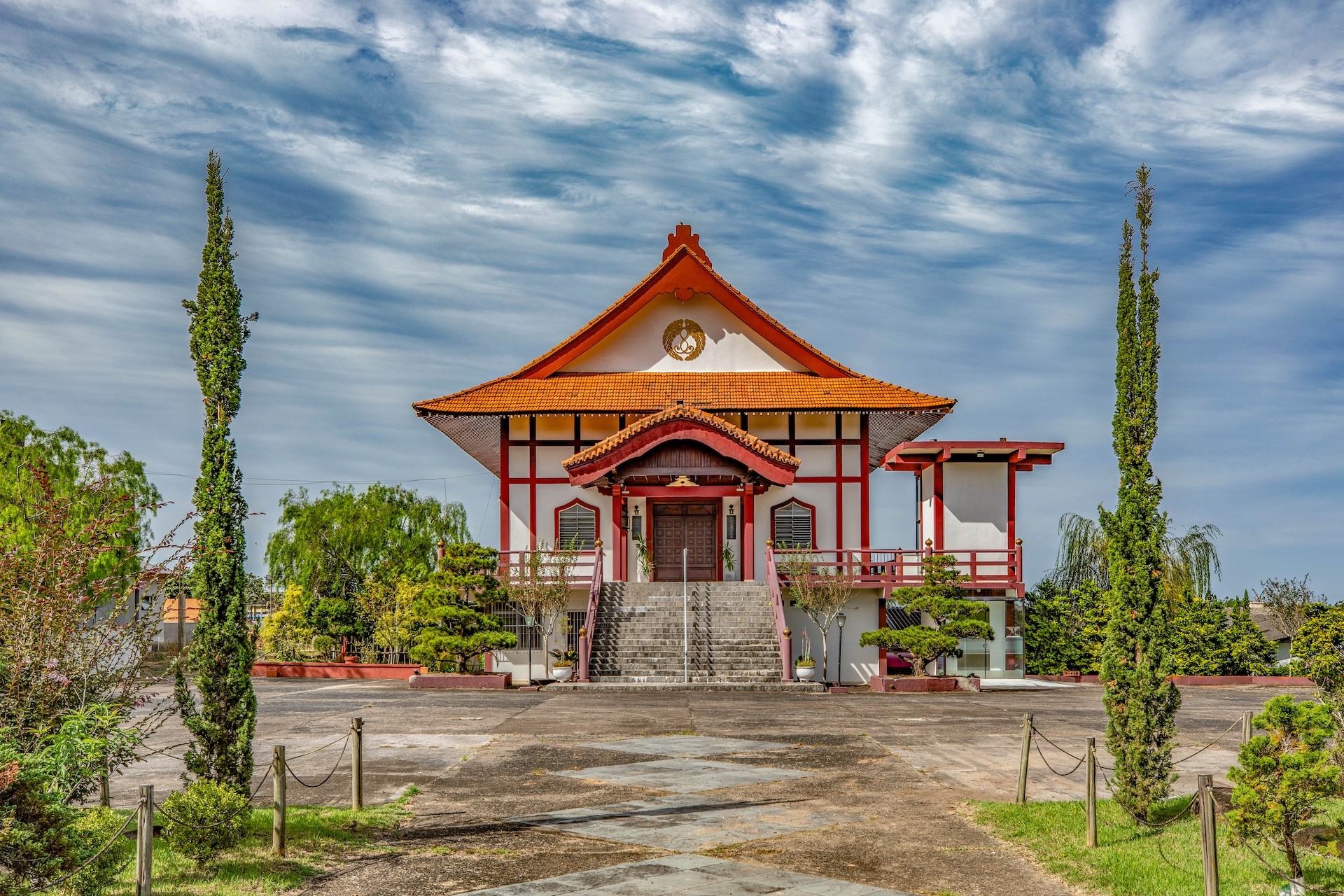
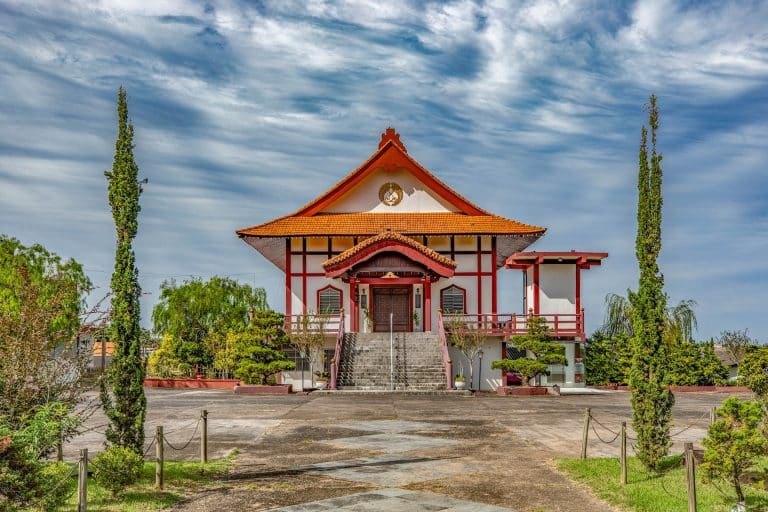
The Honpa Hongwanji Buddhist Temple stands as a lasting reminder of Registro’s Japanese roots. Founded in 1950, it has served the local community for generations and remains one of the city’s most recognizable landmarks, reflecting the enduring presence of Japanese culture in the Vale do Ribeira.
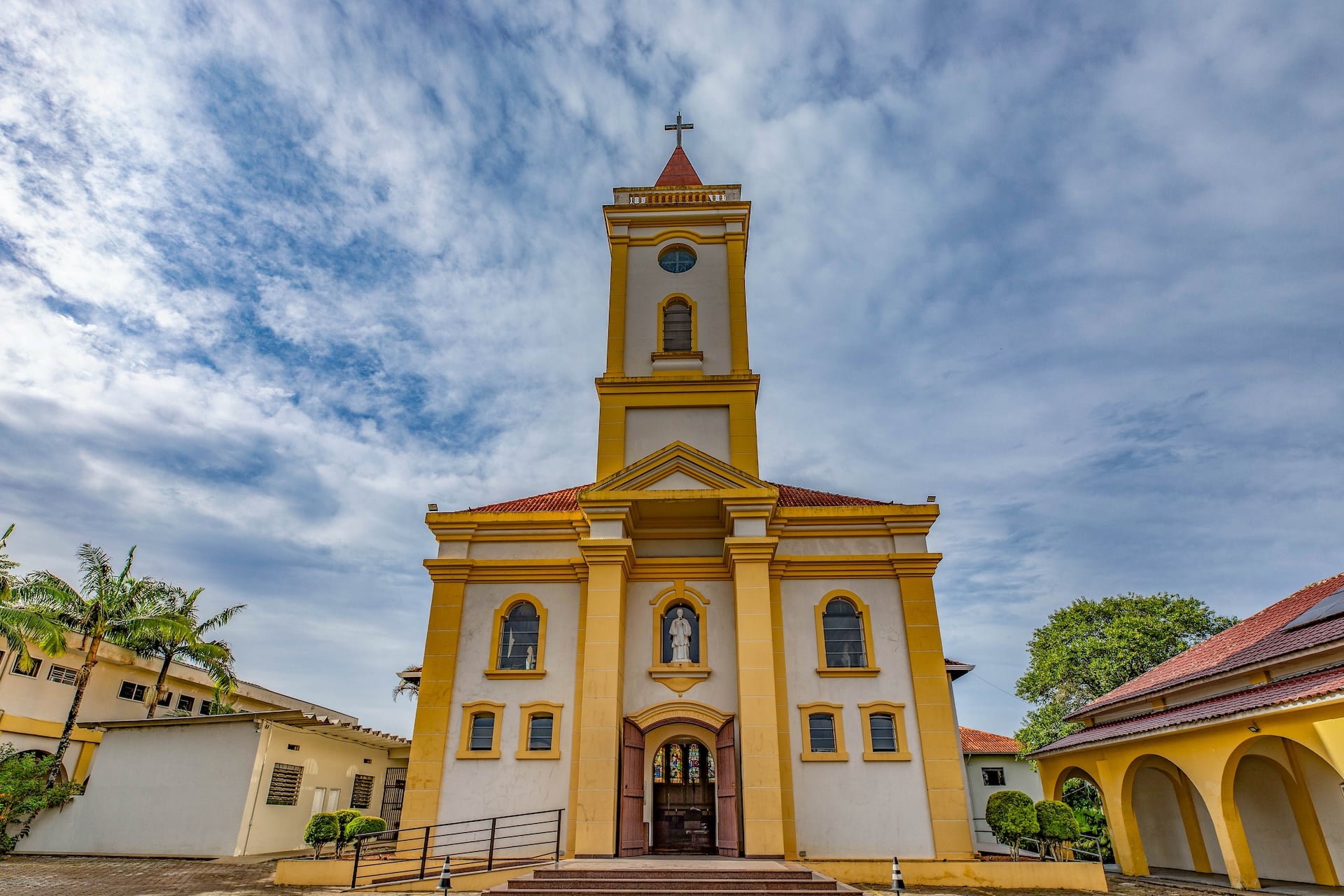
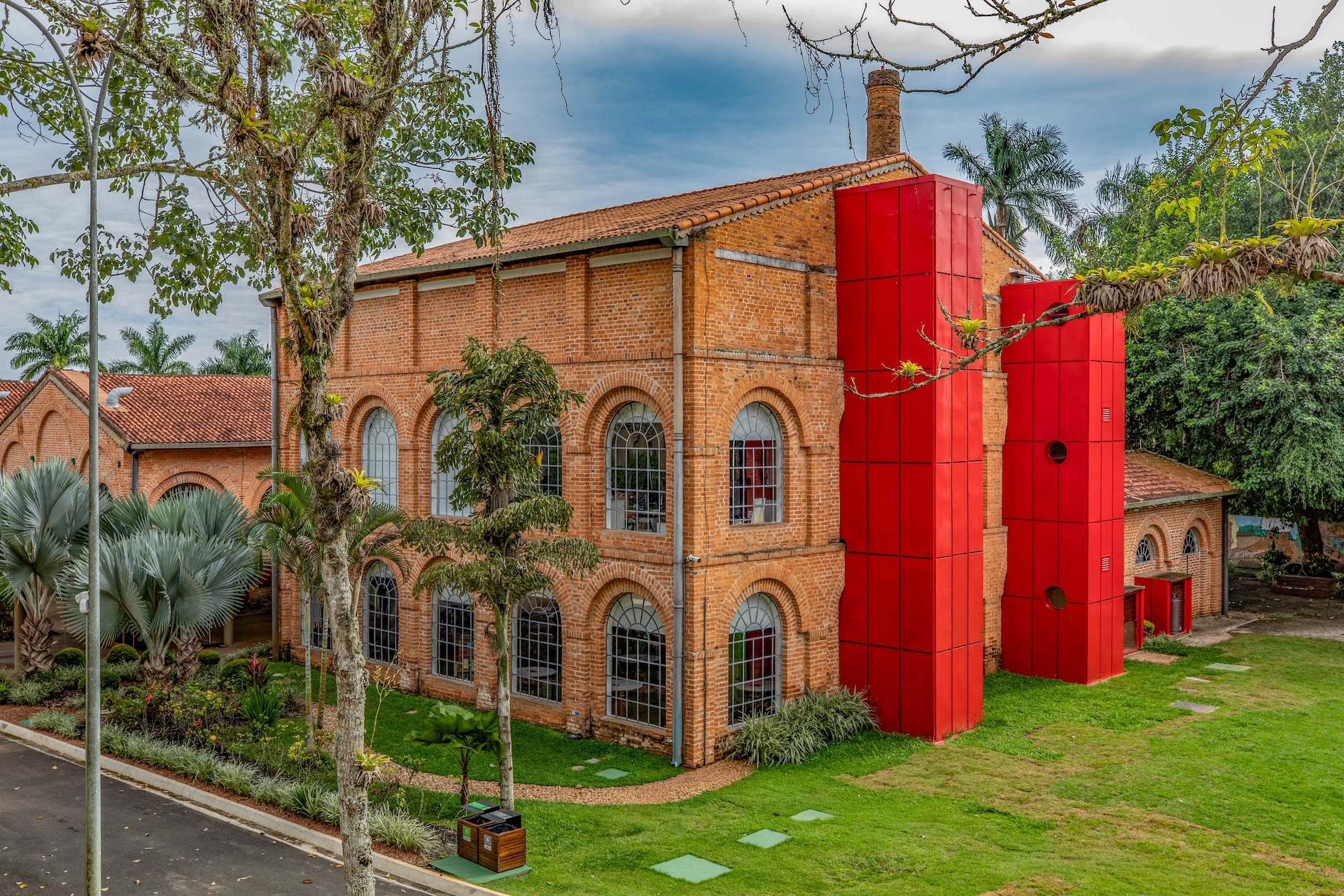
Few places in the Vale do Ribeira preserve their history as naturally as Registro, an urban center with a strong identity, where the presence of Japanese heritage, its landmarks, and historical references are all part of a living community, offering filmmakers authentic locations shaped by more than a century of Japanese influence.
Nearest international airport: Guarulhos (GRU)
Distance to nearest airport: 217 km
Distance to São Paulo: 183 km