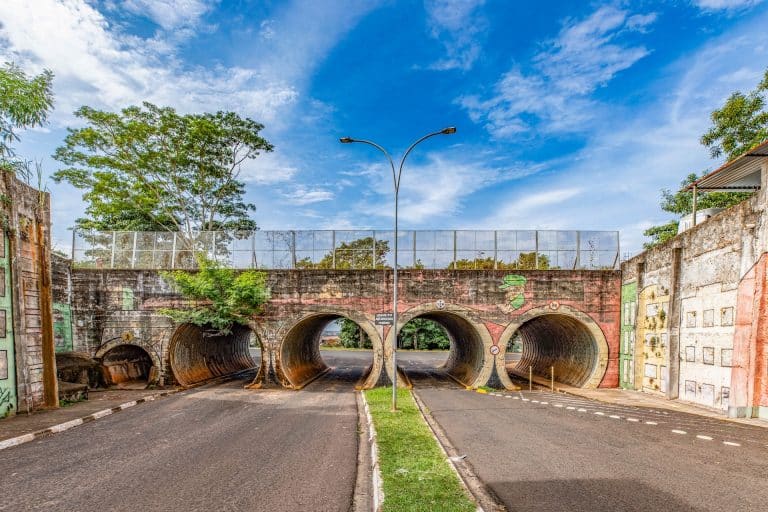
Presidente Prudente developed in the early 20th century as coffee farming spread westward across São Paulo. The region was once covered by dense forest and inhabited by Indigenous communities before the first settlements were established.
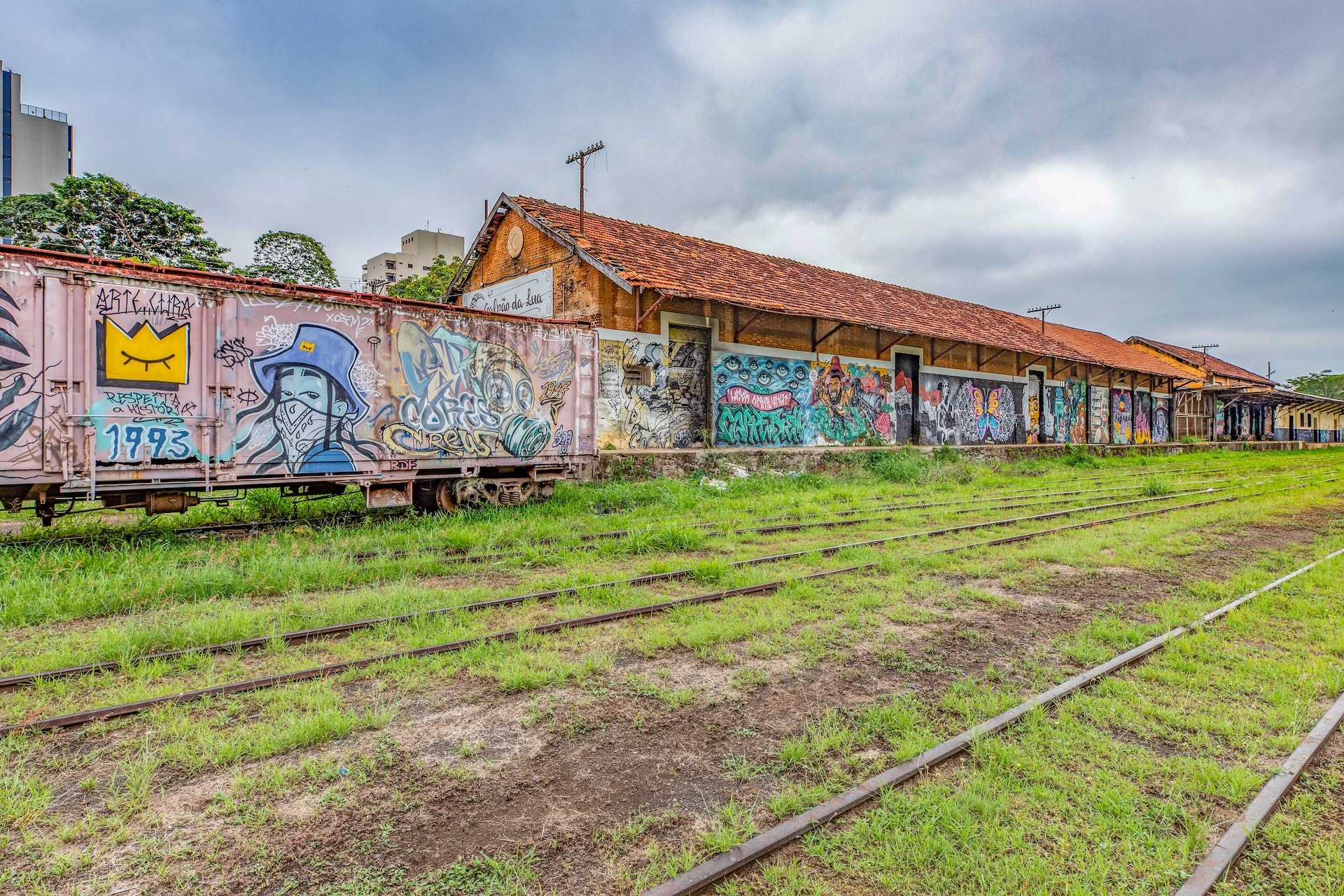
The city was founded in 1917 and named after Prudente de Morais, Brazil’s first civilian president elected by popular vote, who served from 1894 to 1898. The Sorocabana Railway reached Presidente Prudente in 1919, making it easier to transport people and agricultural goods. Cotton farming and agroindustry later became important to the local economy, helping the city grow into a major commercial and economic center in western São Paulo.
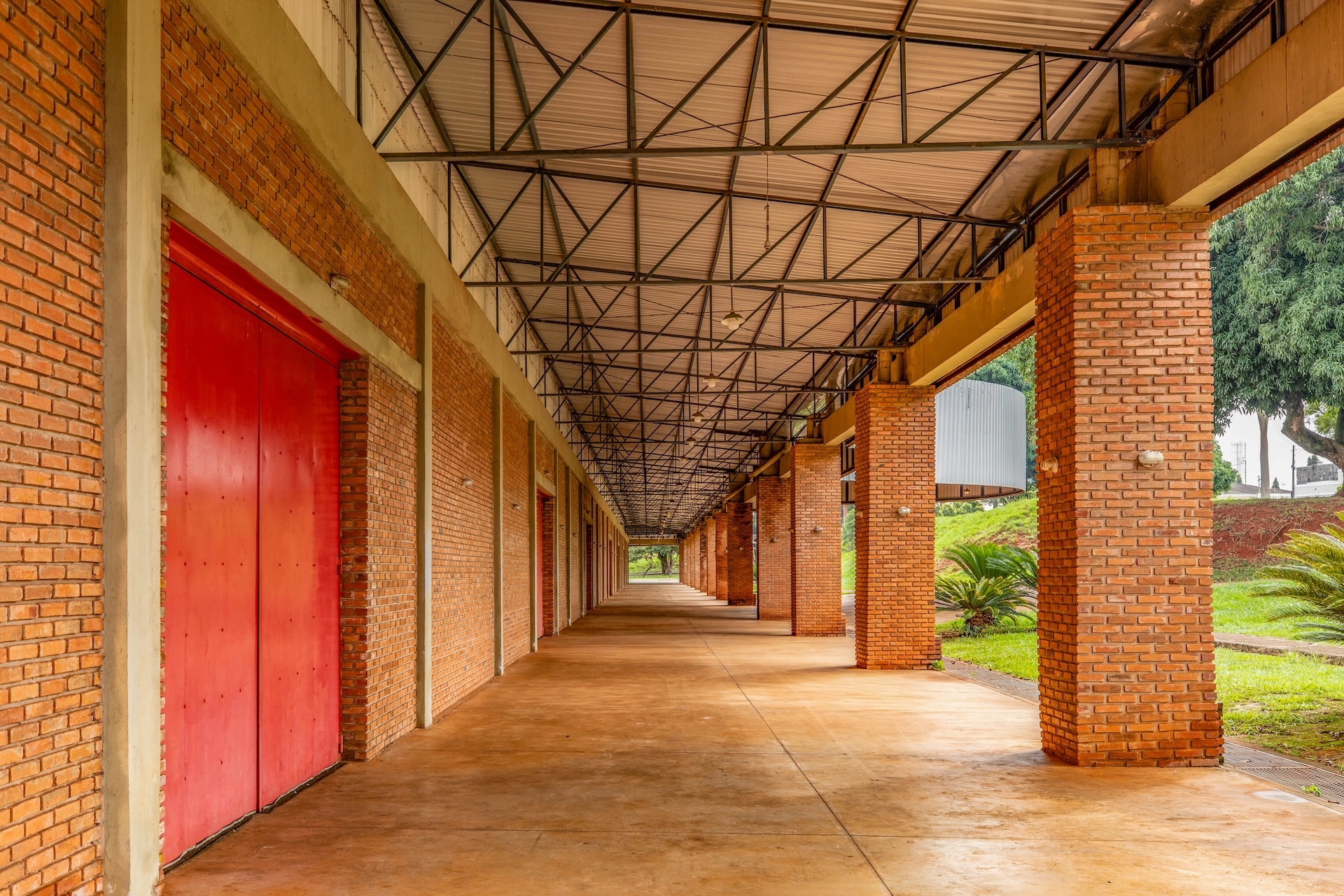
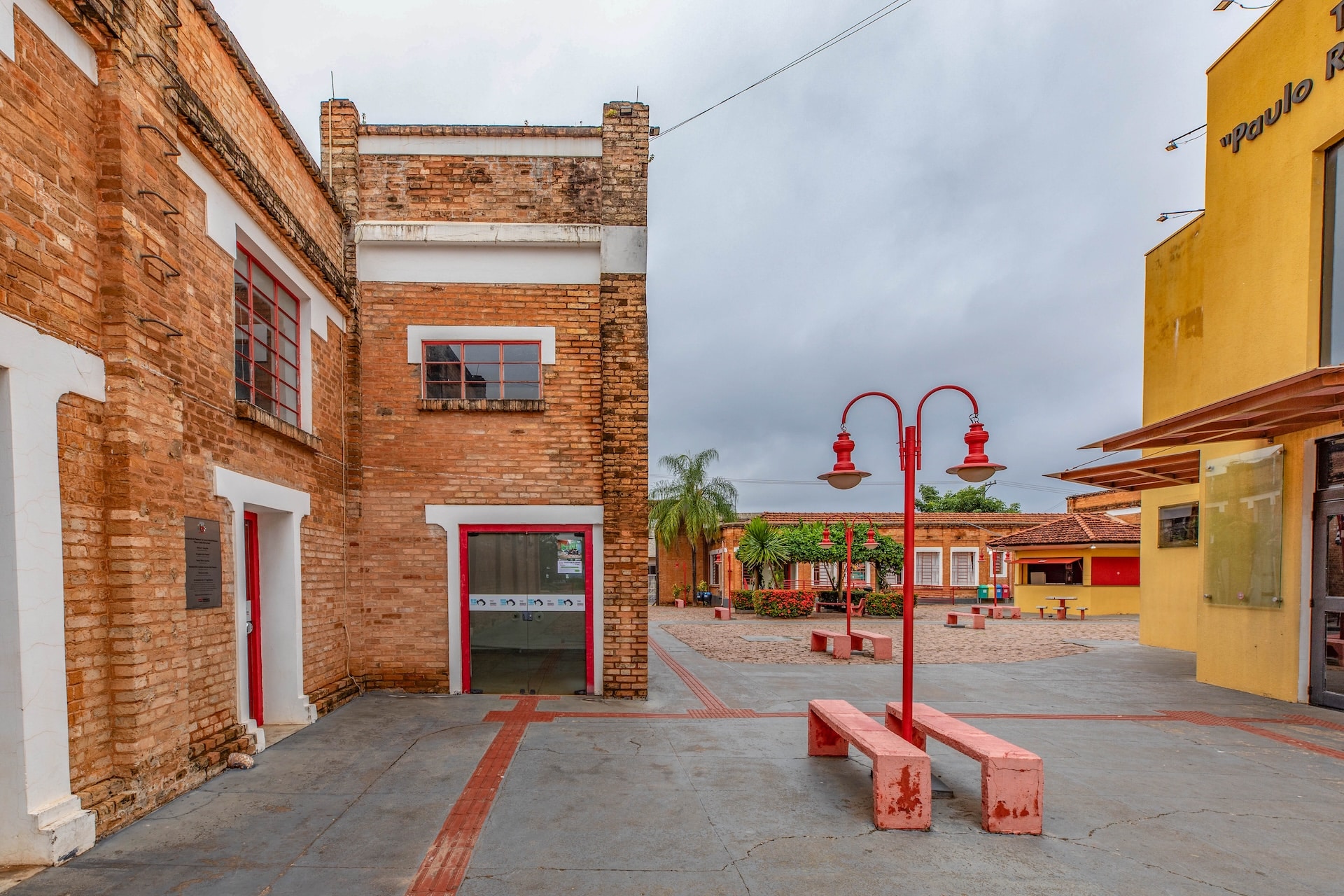
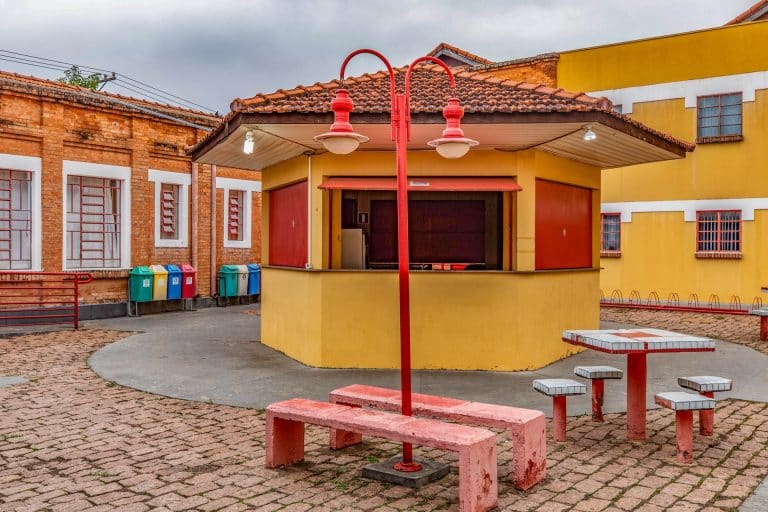
The Matarazzo Historical Culture Center occupies the former Indústrias Matarazzo complex, a sprawling industrial site that played an important role in Presidente Prudente’s development during the 20th century. Its original warehouses, factory buildings, and other structures remain, with wide spans, exposed brick, and sturdy construction that lend the site a strong industrial character and make it particularly well suited to audiovisual productions.
The complex was later converted into a cultural center, while much of its original architecture was preserved. Today, it houses theaters, cinemas, auditoriums, public spaces, and art schools.
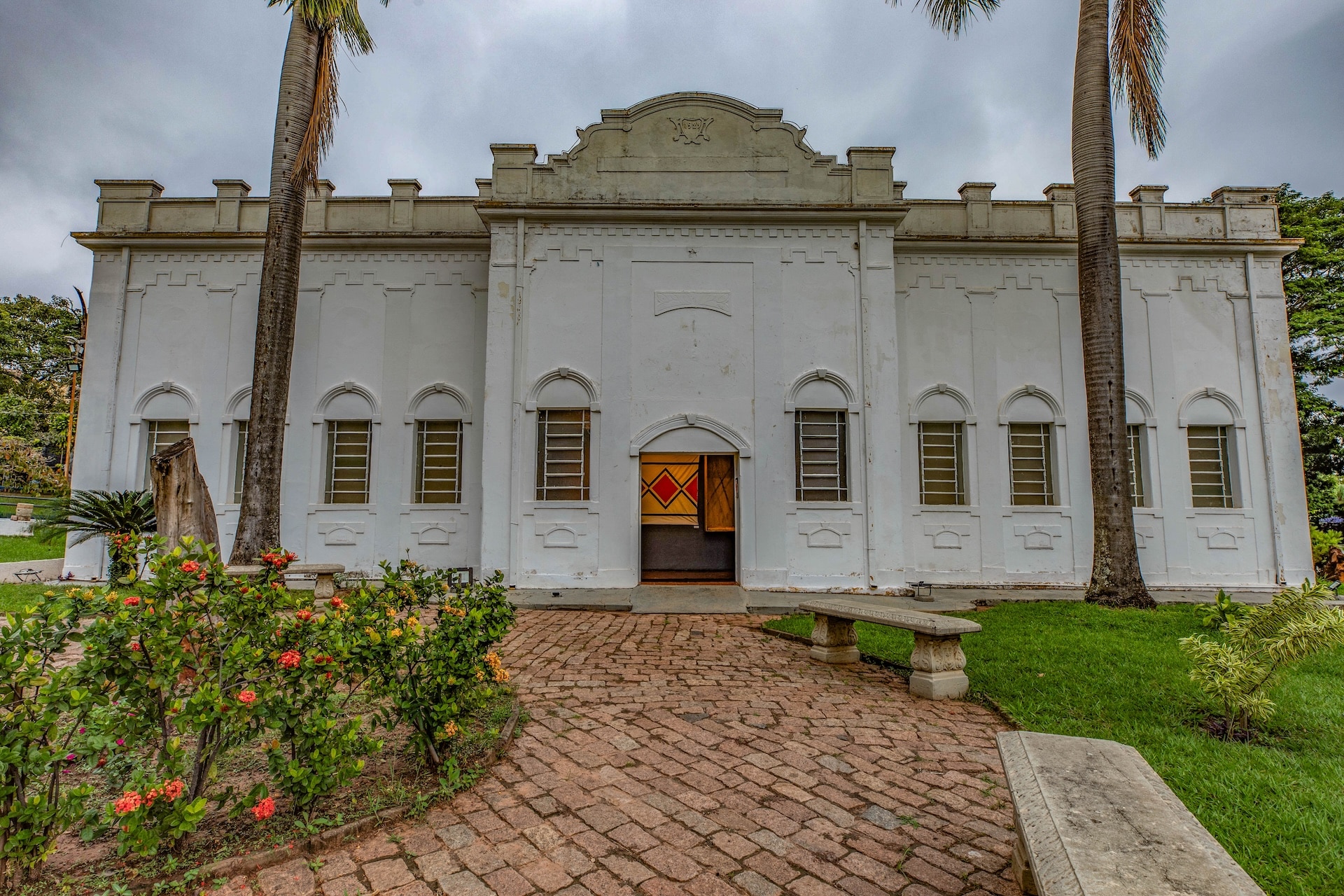
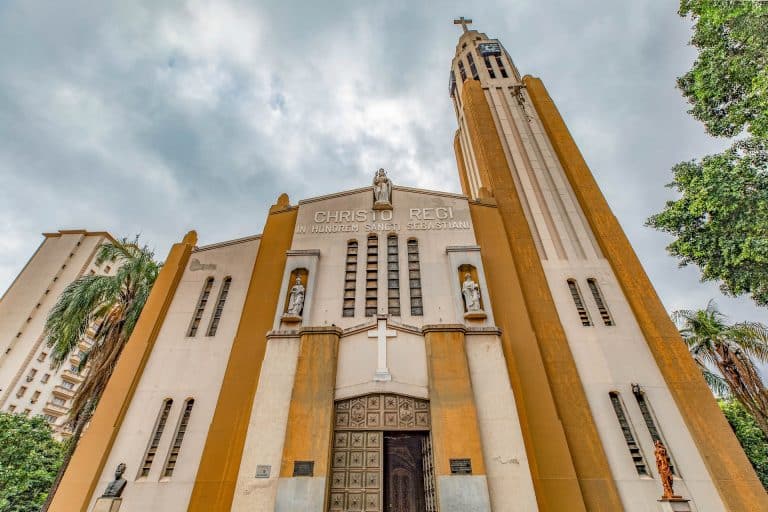
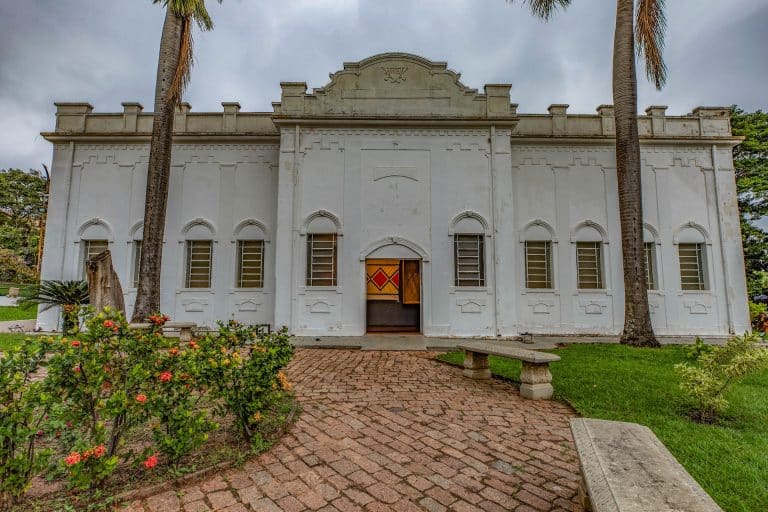
Built in 1929, the Antônio Sandoval Netto Municipal Historical Archive and Museum occupies one of Presidente Prudente’s early public buildings. Listed as a heritage site by Condephaat, it retains its original architecture and now houses documents, photographs, equipment, and other objects related to the history of the city and western São Paulo. The building itself preserves details from different periods, with spaces that evoke its changing urban landscape, local heritage, and collective memory.
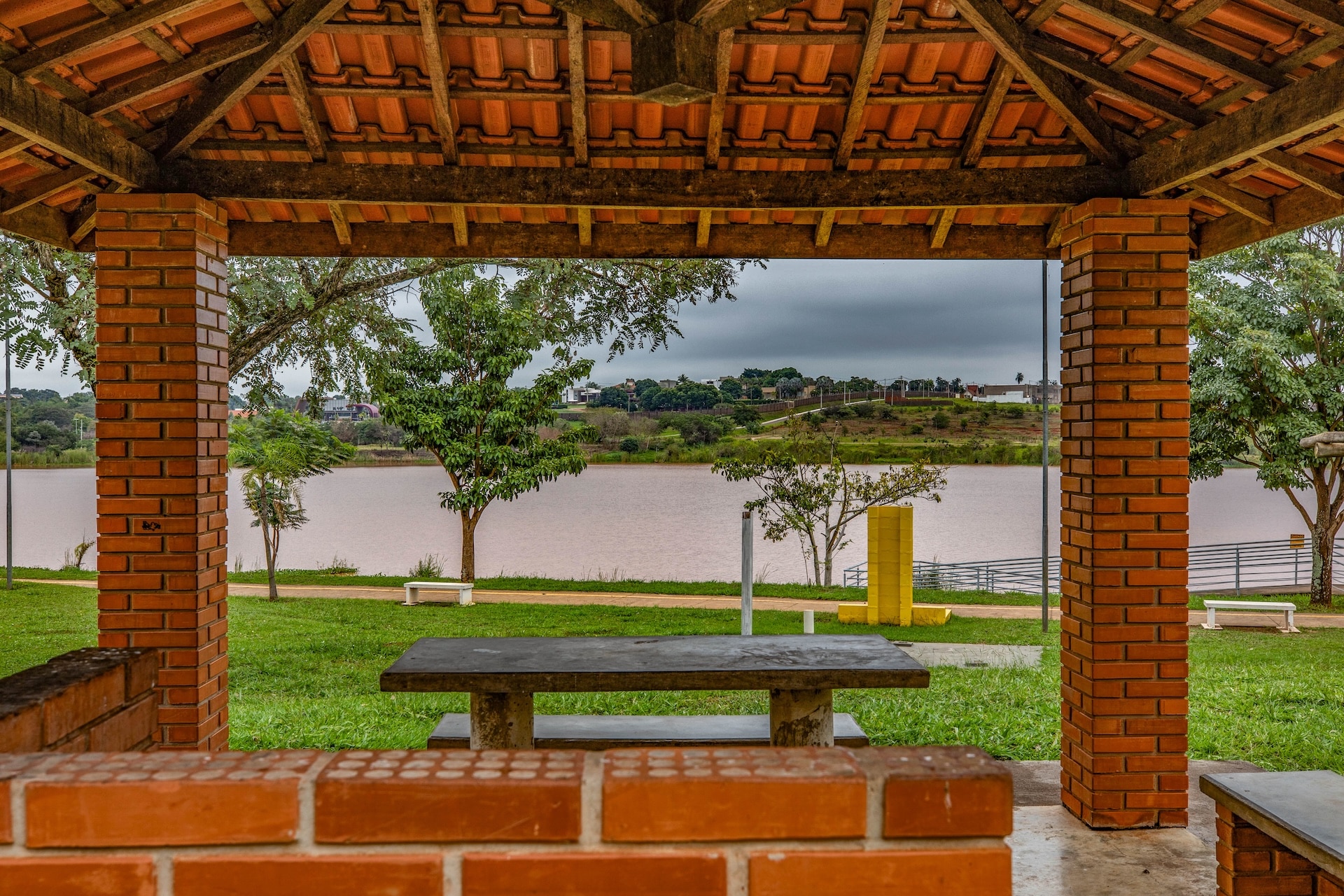
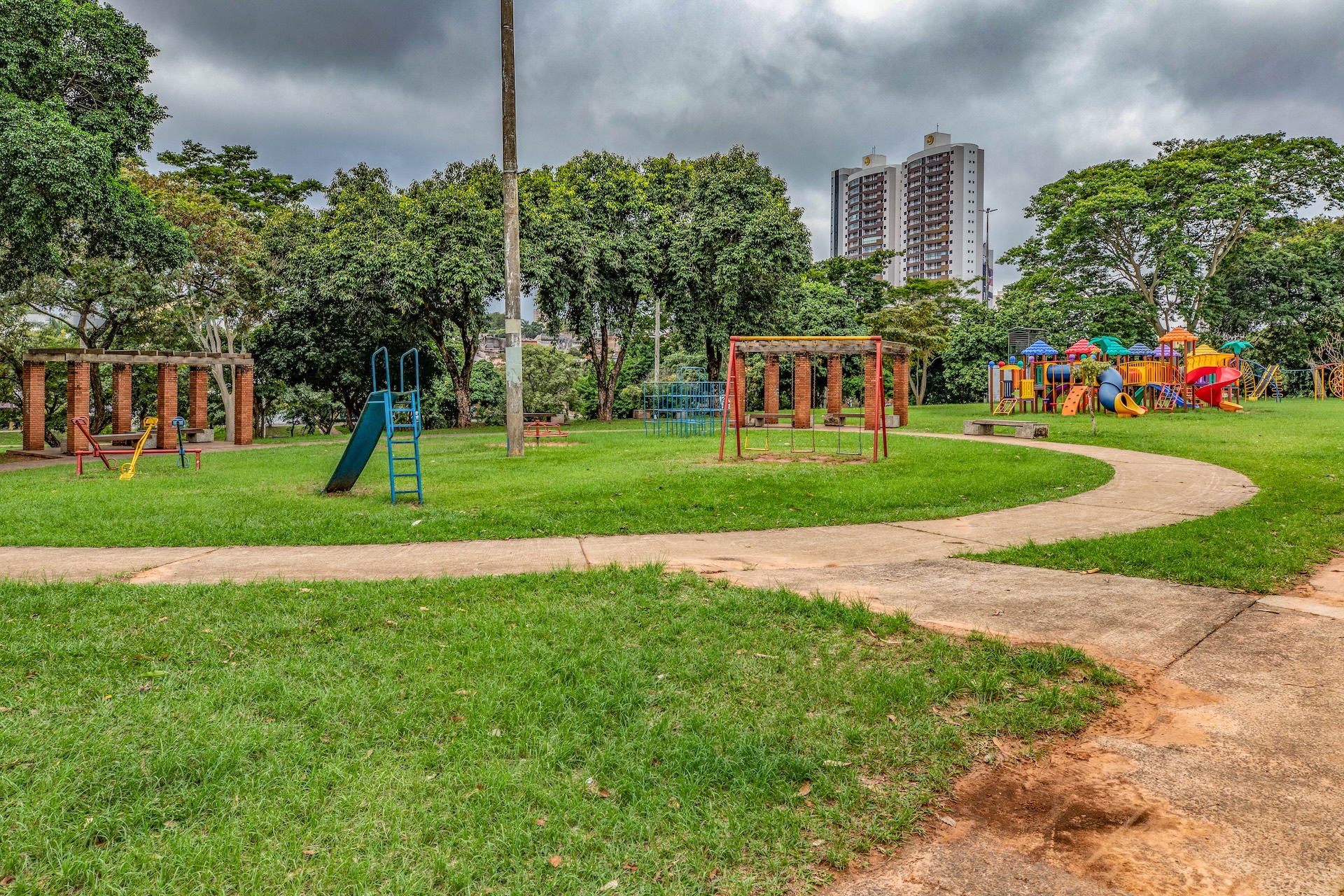
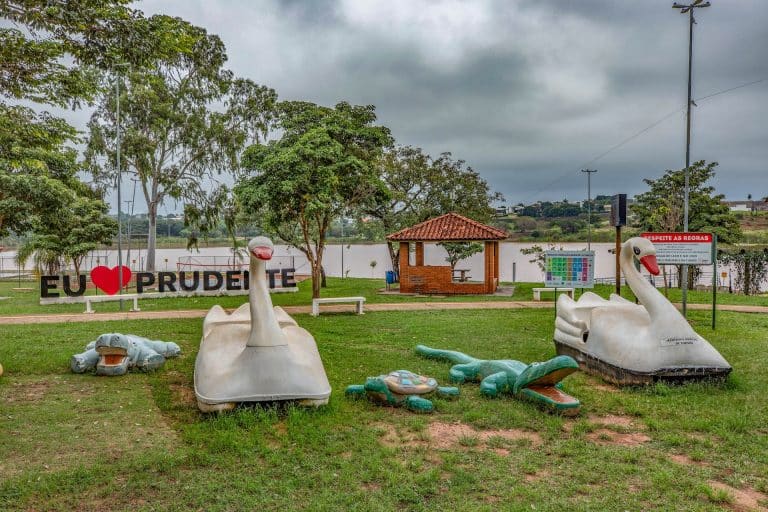
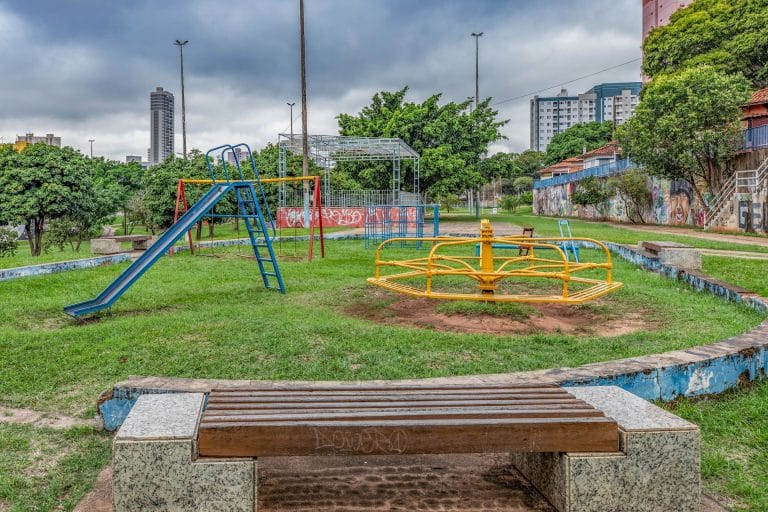
Parque do Povo represents a later stage in Presidente Prudente’s development. Opened in the 1980s, the park grew alongside the city as it established itself as a regional center. Located in the heart of the city, it has become one of Presidente Prudente’s main public spaces, with a central lake, bridges, tree-lined areas, bike paths, and sports facilities that provide a versatile setting for outdoor filming.
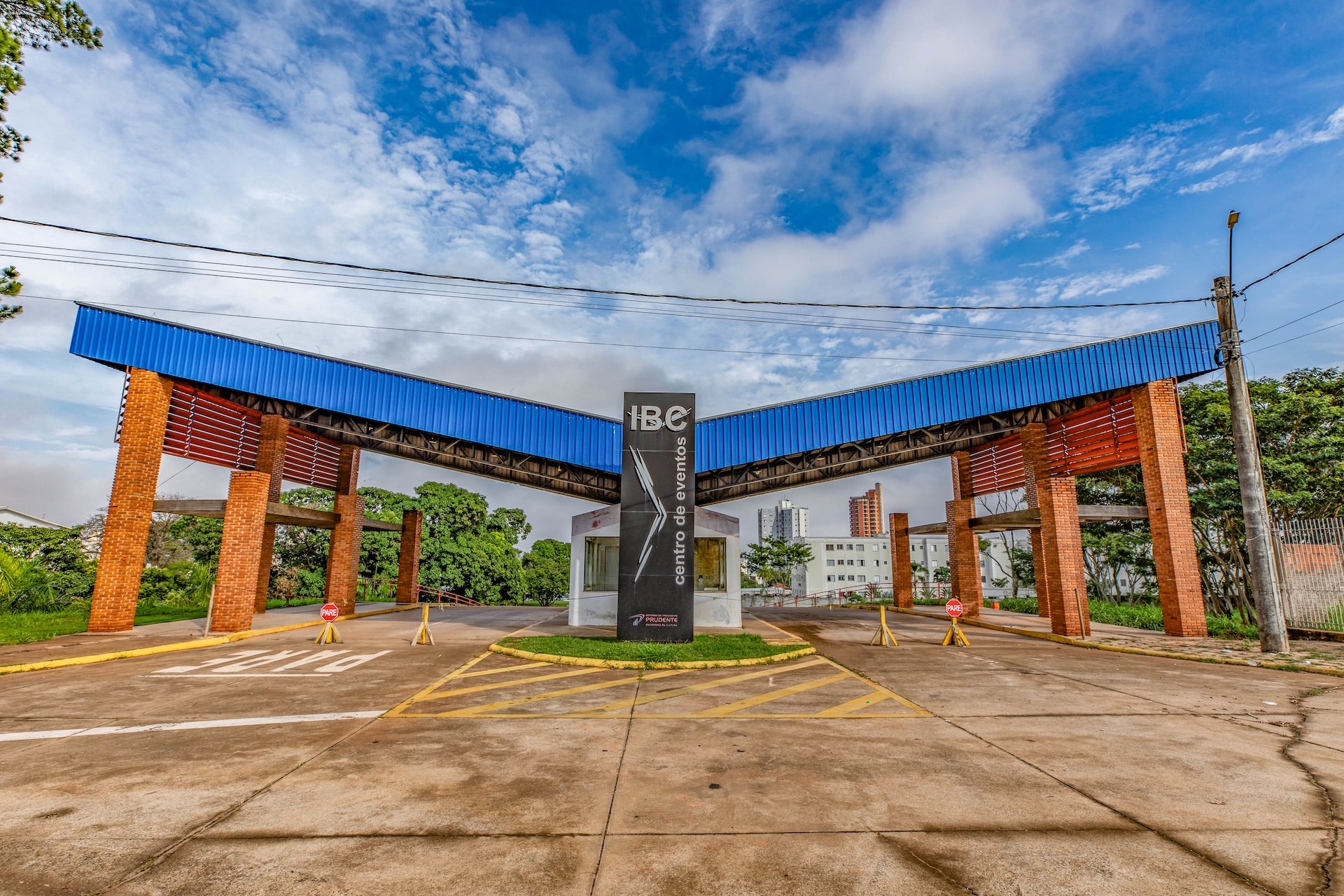
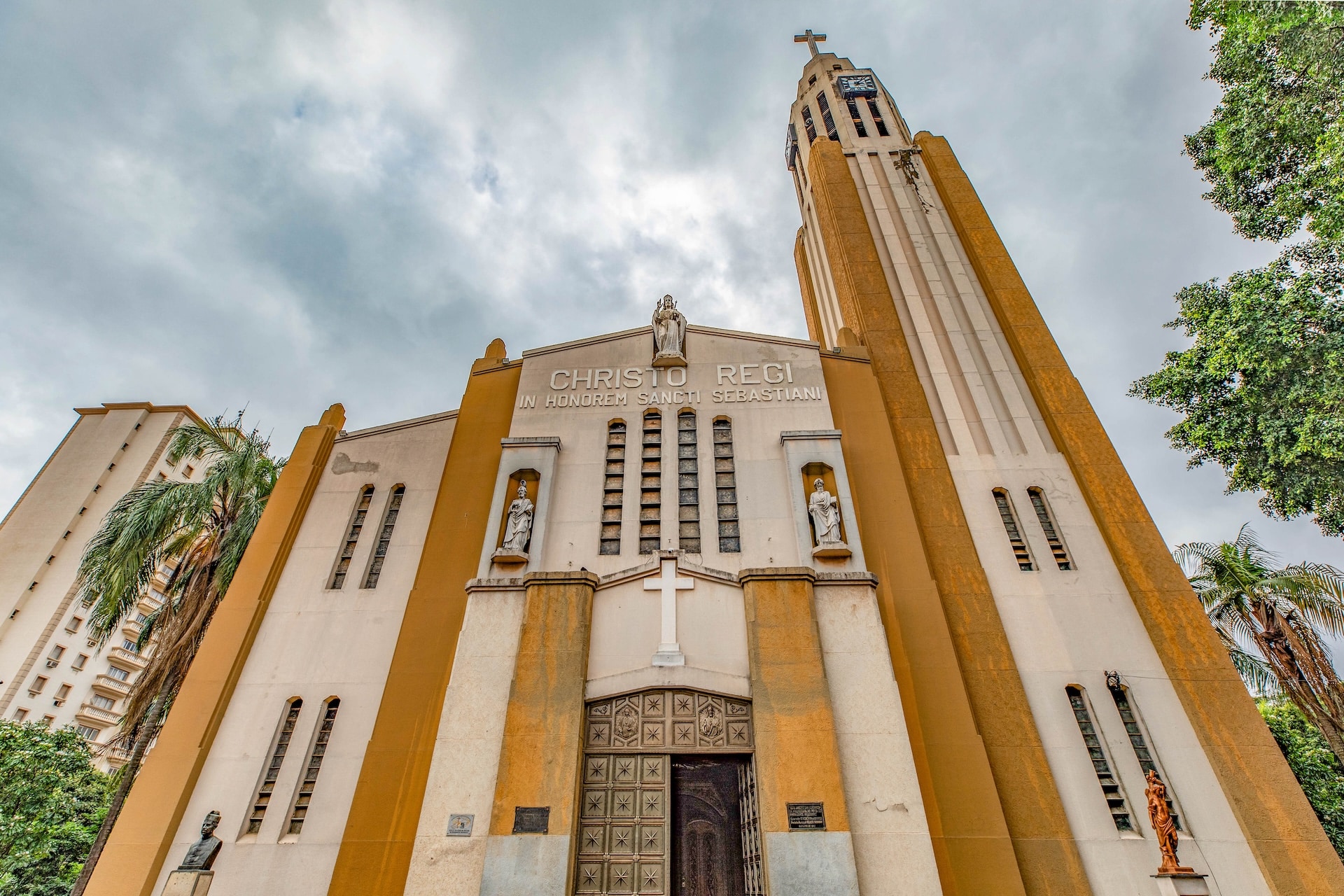
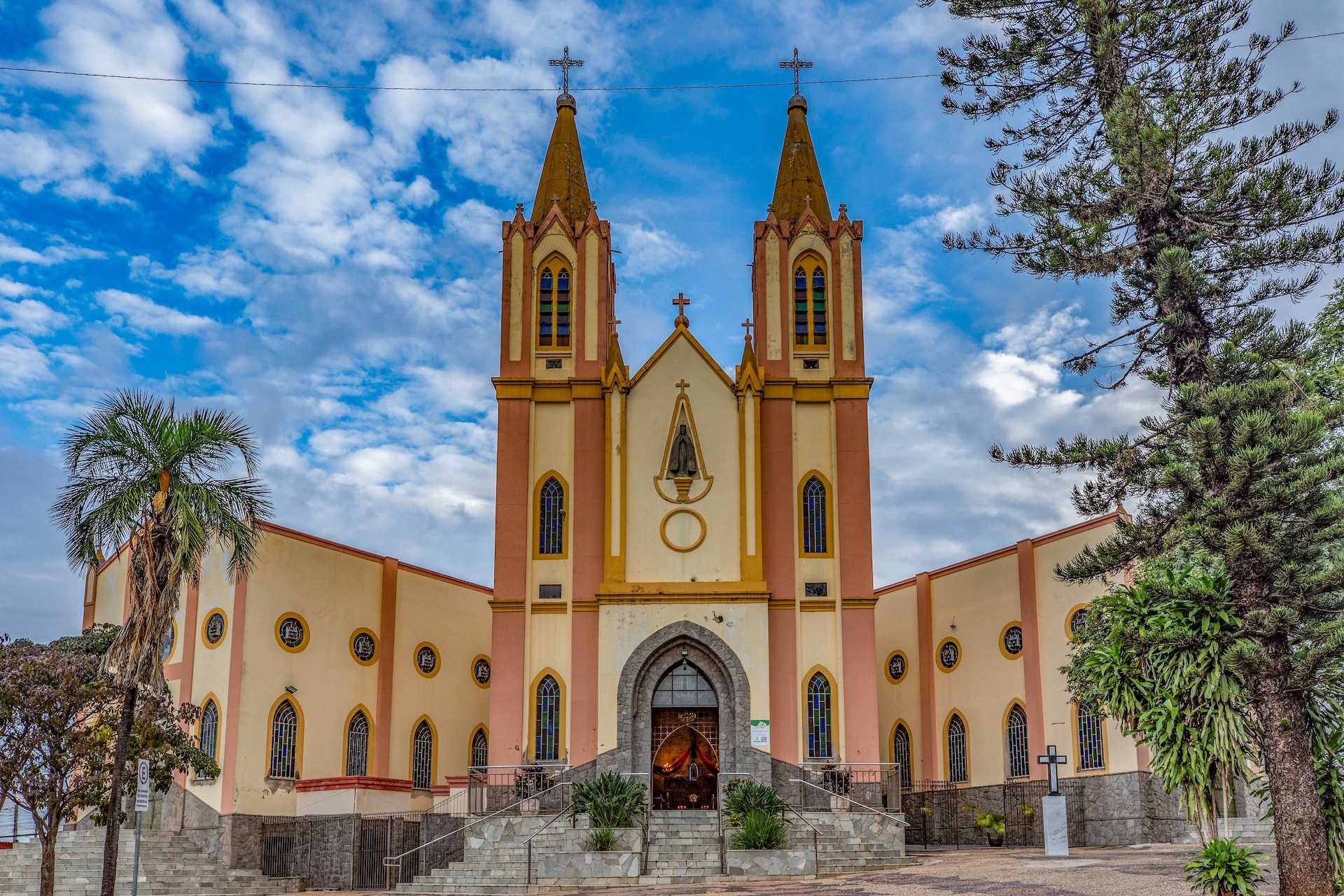
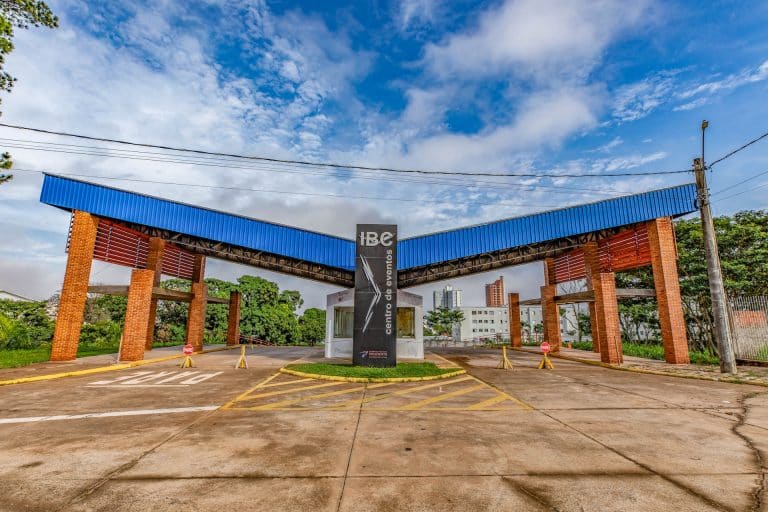
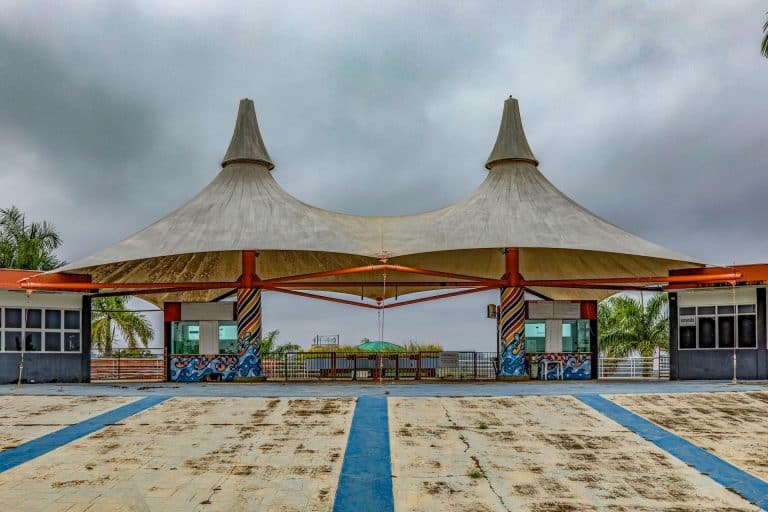
Presidente Prudente offers a mix of industrial sites, historic buildings, and contemporary public spaces, with locations that reflect the city’s growth and changing character over time. As a major economic center in western São Paulo, the city provides a broad range of settings that can be adapted to various types of audiovisual productions.
Nearest international airport: Viracopos (VCP)
Distance to nearest airport: 530 km
Distance to São Paulo: 552 km
Distance to GRU Airport: 574 km