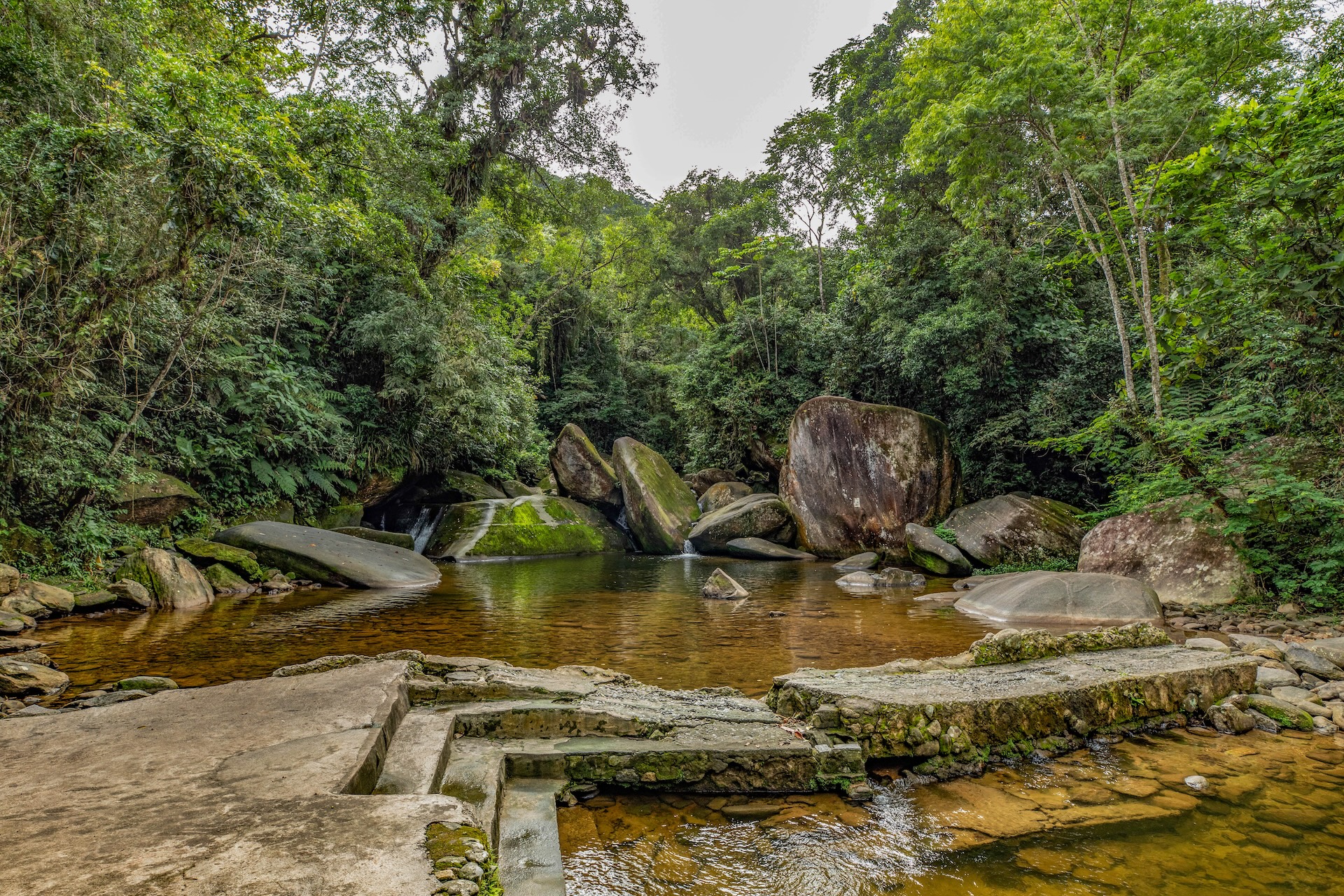
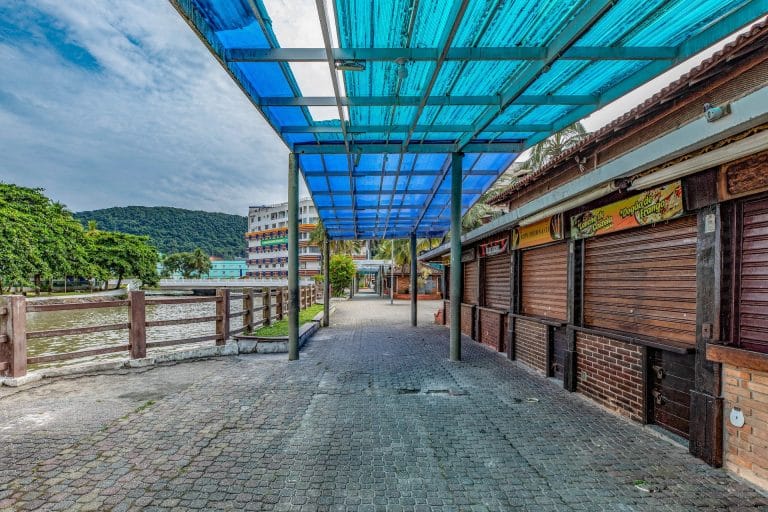
The coastal town of Mongaguá in the state of São Paulo lies between the sea and the mountains of the Serra do Mar, in a landscape of rivers, hills, and beaches that have shaped human settlement since the region’s earliest days. Before the arrival of the Portuguese, the area was inhabited by Tupi and Guarani Indigenous peoples and, by the 16th century, it had already become an important transport corridor between São Vicente and the routes leading toward Cananeia and Iguape, leading to a steady influx of travelers and trade that shaped its identity.
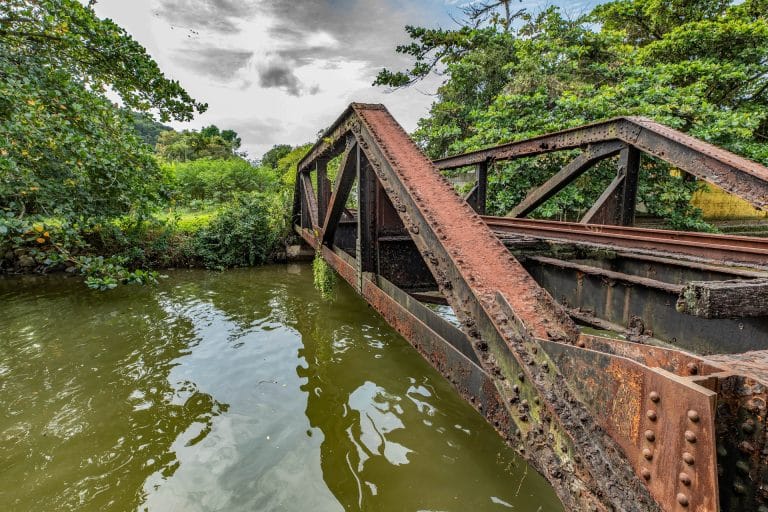
During the 18th century, land grants spurred gradual settlement through subsistence farming. By the 19th and early 20th centuries, the landscape was defined by small farms growing bananas, cassava, and corn, resulting in scattered pockets of settlement along the coast. The arrival of the Santos-Juquiá Railway in 1913 boosted the flow of settlers and goods, with a town center quickly taking shape around the railway station.
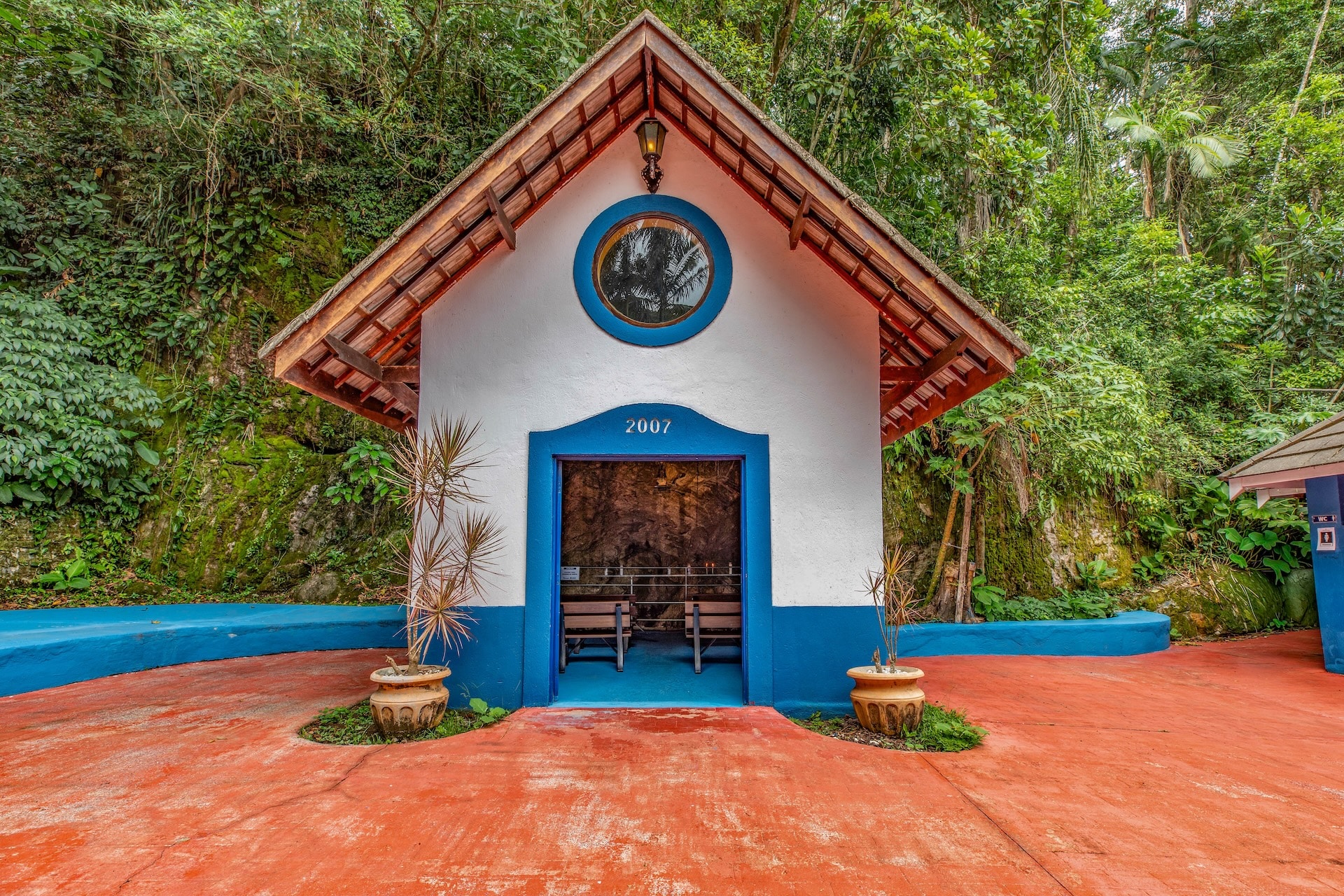
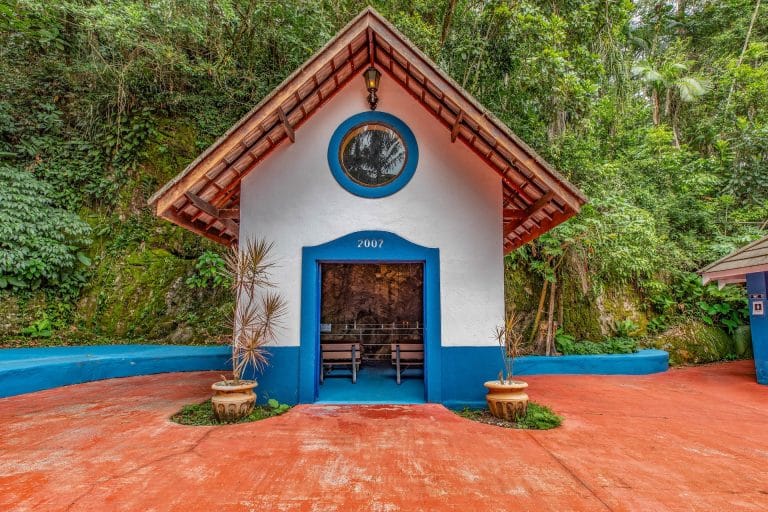
The city’s filming locations clearly reflect this close tie between the mountainous landscape and the water. The Capela do Morro da Padroeira is built right into the rocky base of a hill, with natural stone walls creating a cave-like atmosphere. This simple chapel features a white façade with blue trim, a pitched clay-tile roof, and terracotta-colored floors, all surrounded by lush greenery. Perched atop the rock formation, a crucifix and a statue of Nossa Senhora Aparecida complement the setting, underscoring its historic and authentic atmosphere.
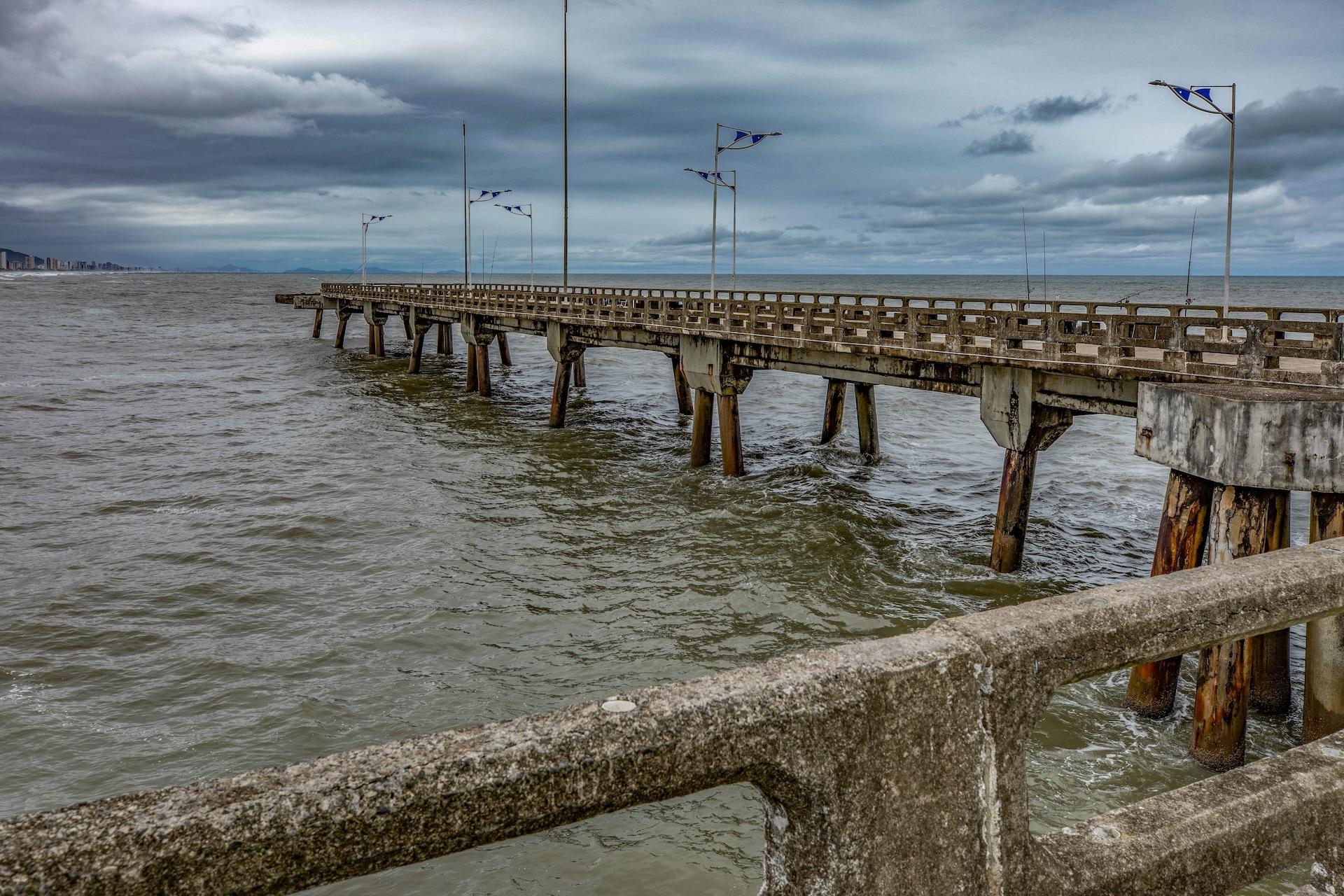
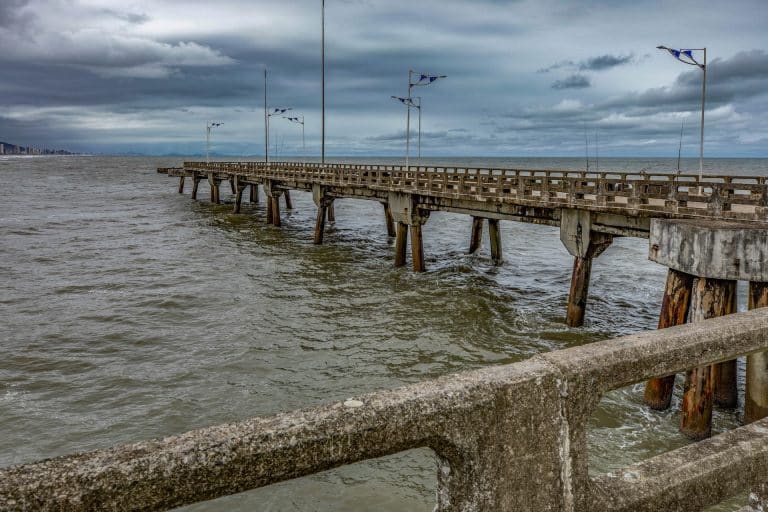
Down on the waterfront, the Plataforma de Pesca Mongaguá, one of the city’s most recognizable landmarks, juts out into the ocean. Inaugurated in 1977, it ranks as one of the largest reinforced-concrete structures built over the sea in Latin America. It extends roughly four hundred meters into the water, splitting into two wings at its far end to form a striking T shape.
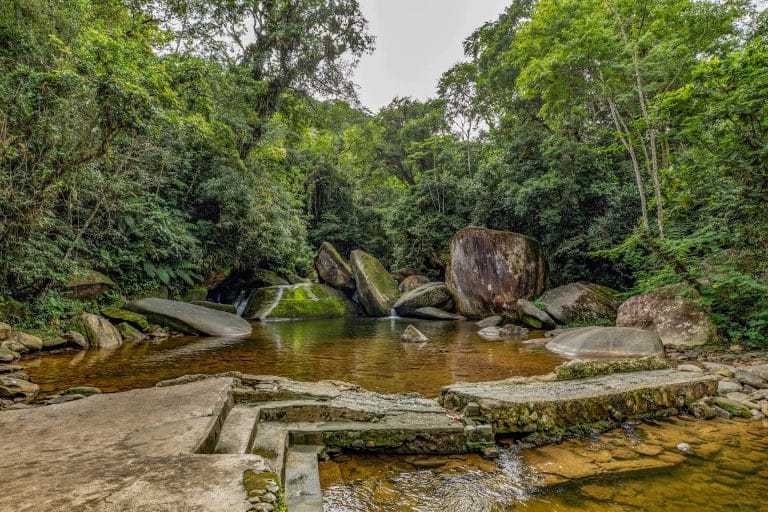
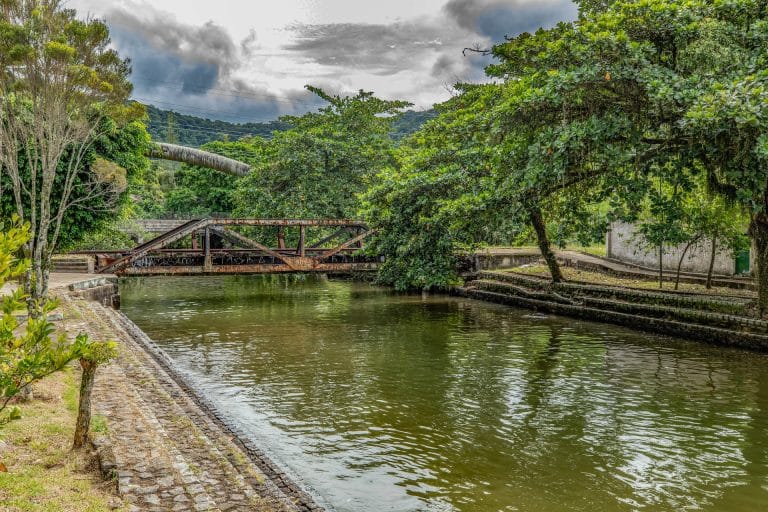
Nestled between beaches, rivers, and mountain slopes, Mongaguá’s landscape transitions quickly from natural scenery to urban areas, offering striking shifts in scale and atmosphere just minutes apart. Located in the Baixada Santista and easily accessible from São Paulo via major highways, the city pairs exceptional visual diversity with easy logistics, offering a varied range of locations for audiovisual productions.
Technical Information
Nearest international airport: Guarulhos (GRU)
Distance to nearest airport: 144 km
Distance to São Paulo: 100 km