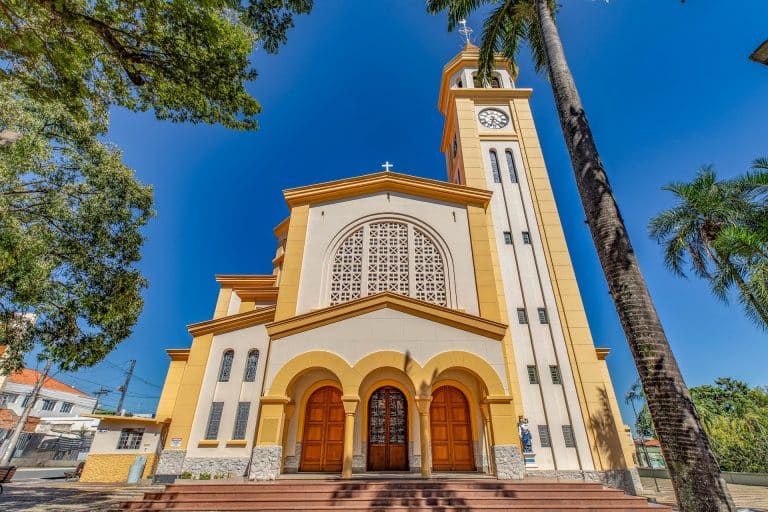
In the 19th century, João Gonçalves de Morões donated the land that would become Itapira, establishing a countryside settlement in São Paulo state around a chapel dedicated to Nossa Senhora da Penha. Over time, the town expanded outward along rural roads and farming plots, where thriving coffee plantations eventually reshaped the entire landscape and drove local development.
The region was completely reshaped by coffee cultivation over the course of the 19th century. As sprawling farms multiplied and the settlement grew, the arrival of the railway in 1880 finally connected the town to Mogi Mirim. At the time, the area was still called Penha do Rio do Peixe, taking its name from the river that winds through the region.
As the countryside developed, its valleys, hills, and open landscapes became part of Route 32, which cuts through Itapira’s rural interior and is tied to episodes of the 1932 Constitutionalist Revolution. Stretching for roughly seventy-five kilometers to connect several rural communities, the route climbs to heights of around 1,400 meters, cutting through a series of striking landscapes.
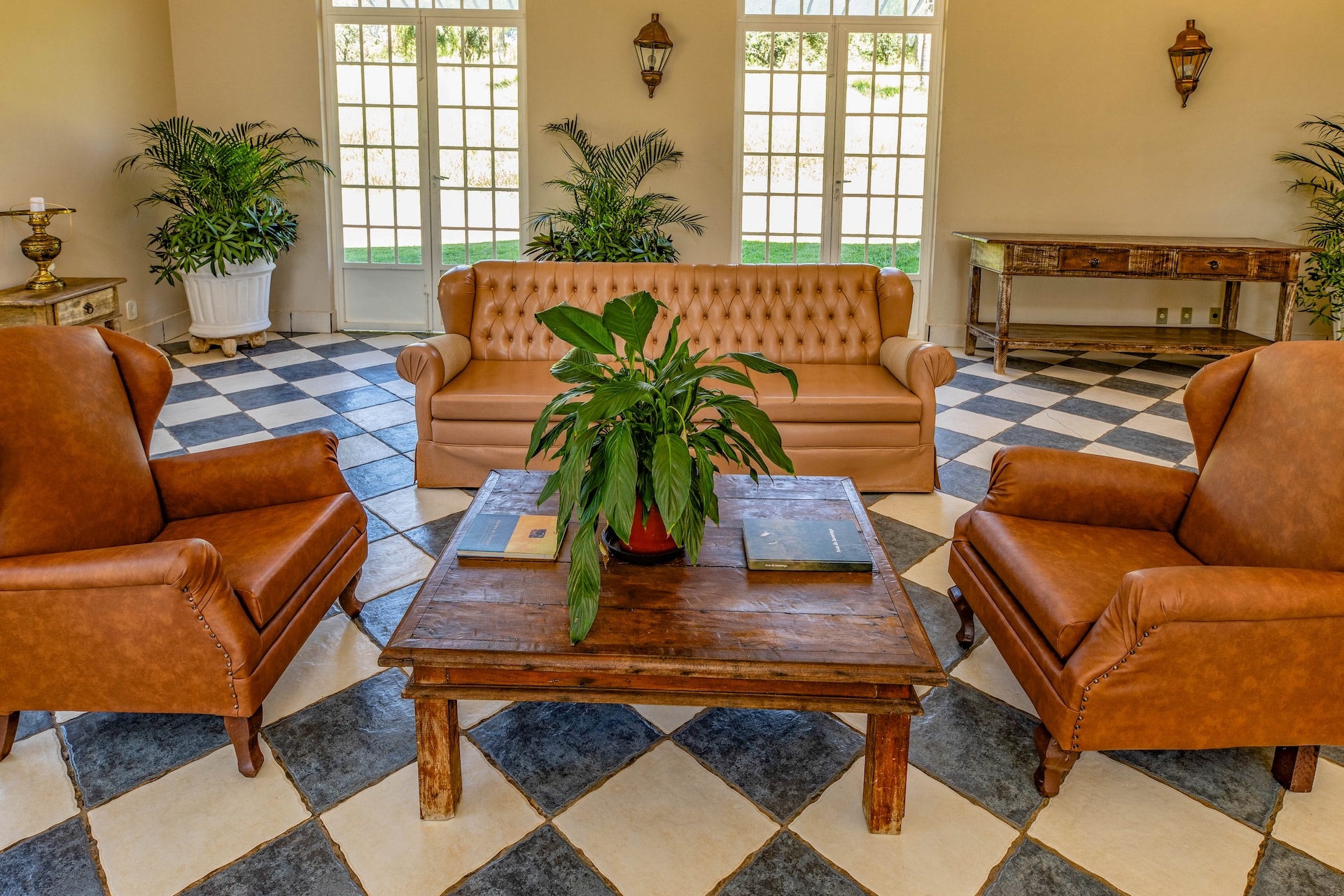
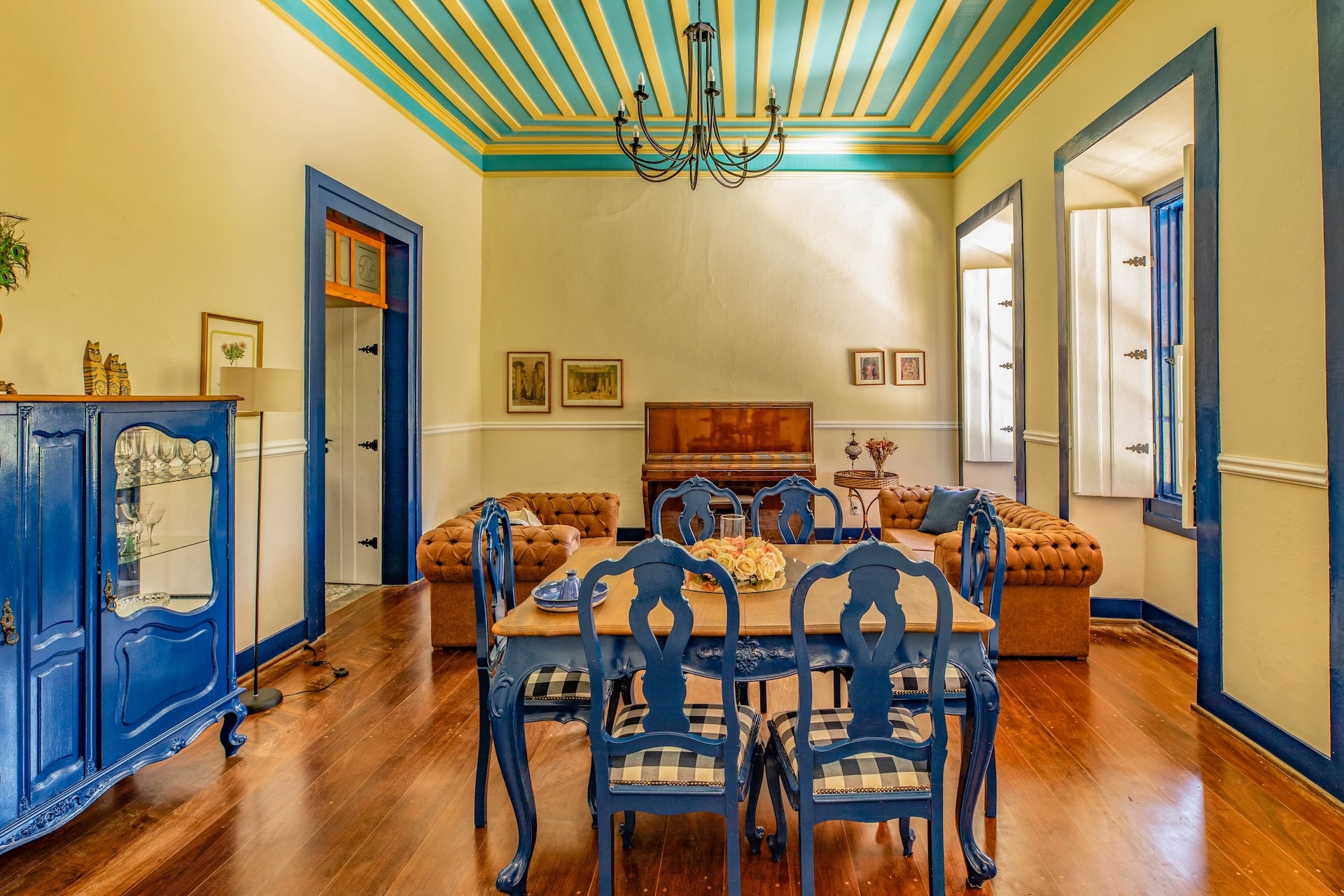
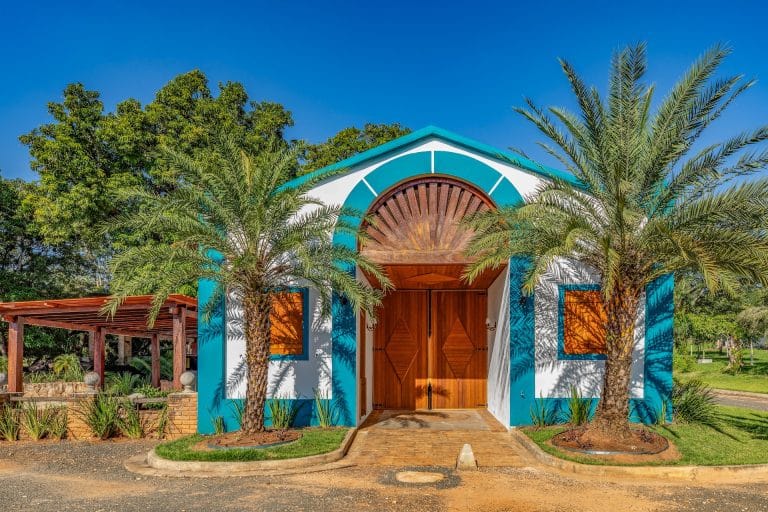
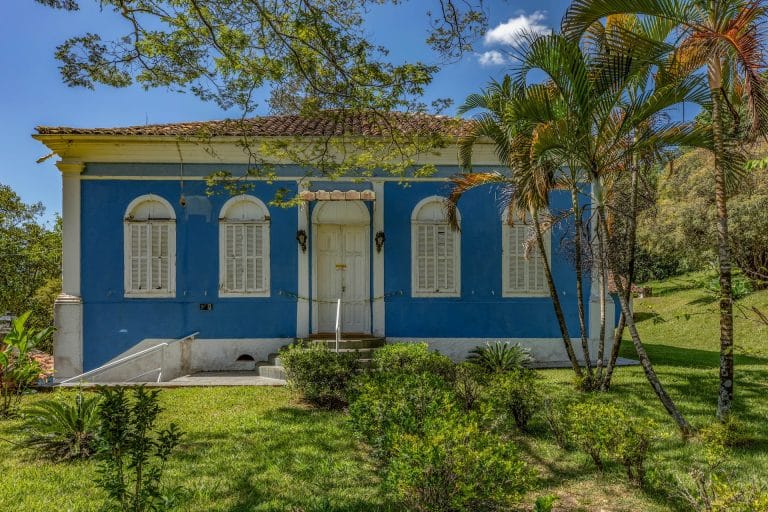
Fazenda Nova América stands out as a premier filming location and one of the region’s foremost coffee-era estates. Its colonial architecture and carefully preserved details—including rammed-earth structures, period tiles, and the brick outlines of the former coffee-drying yard—still evoke the atmosphere of its agricultural past. It also features a cluster of former workers’ cottages from a model village. The property was also associated with former owner John Klink, a U.S. immigrant of Confederate background, in a period shaped by the coffee cycle, slavery, and the process leading up to abolition in Brazil.
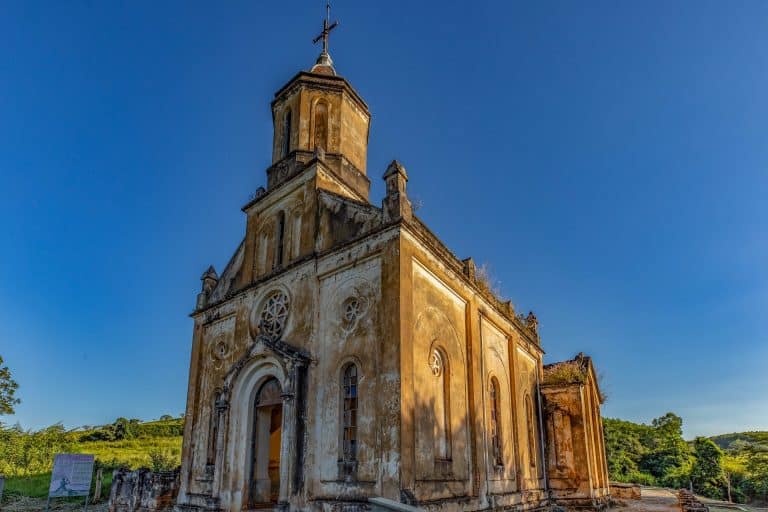
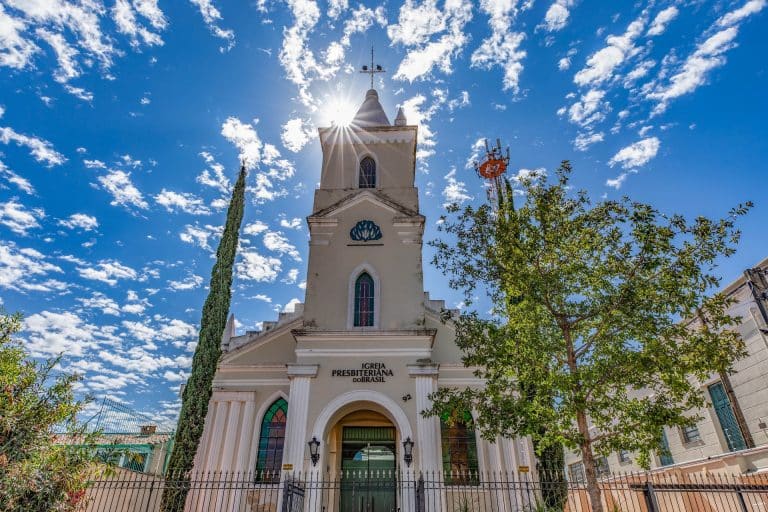
Set against the rural backdrop, the iconic Igreja do Salto is one of Itapira’s most renowned landmarks. Built in 1925 at the request of Colonel José de Souza Ferreira, the century-old church was designed by Victorio Coppos, who modeled it after the Igreja de São Benedito in Aparecida. The structure features a central nave, side altars, and a fifteen-meter tower, with a weathered exterior that lends rich visual texture and atmosphere to audiovisual productions.
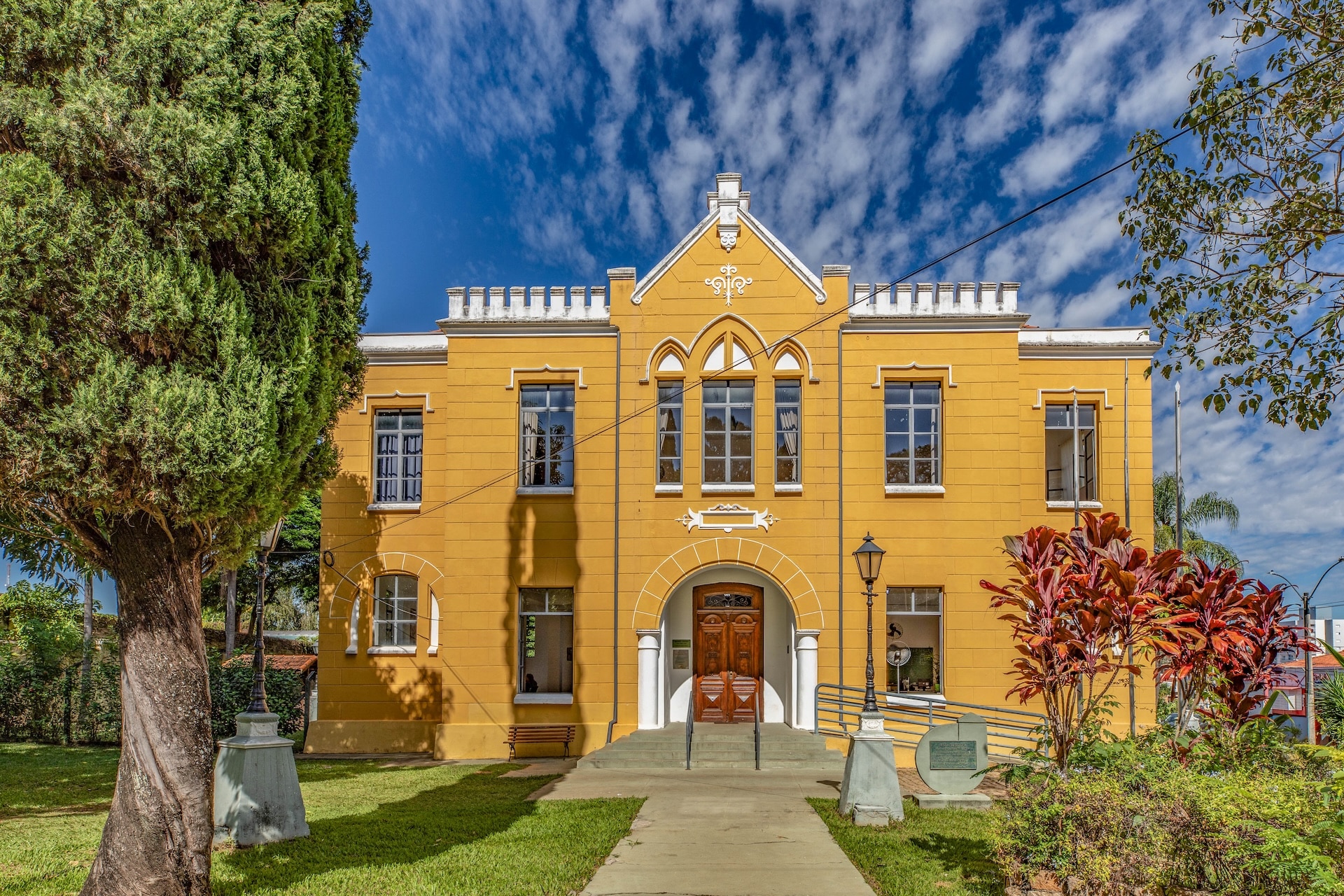
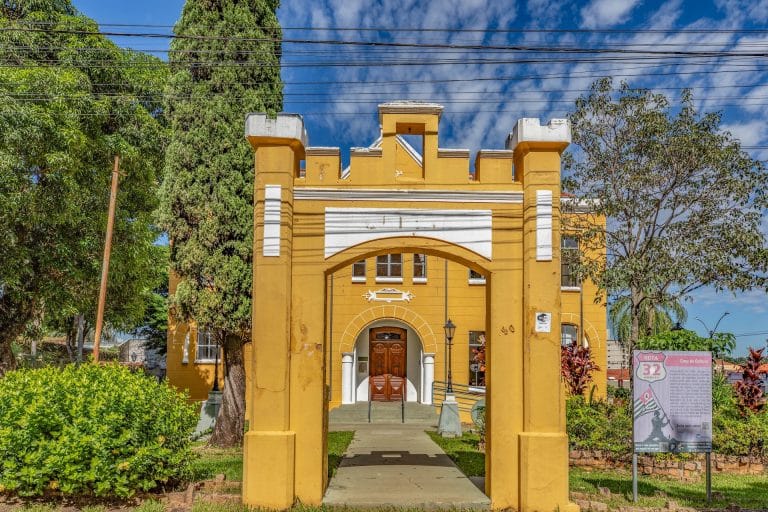
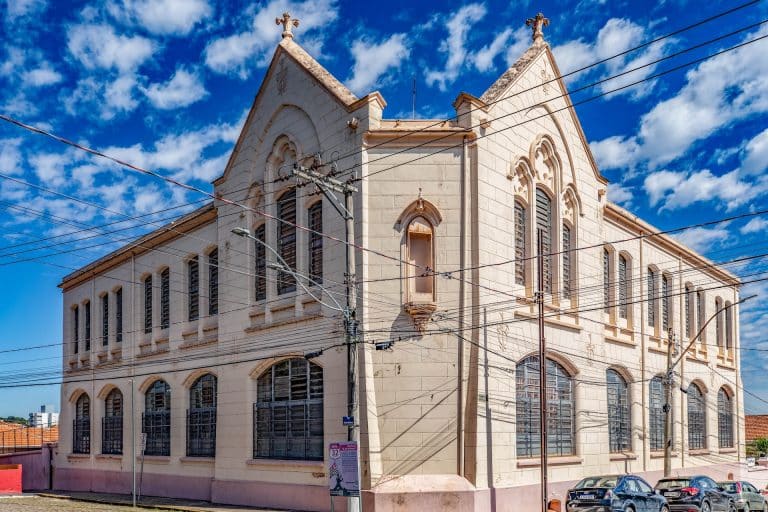
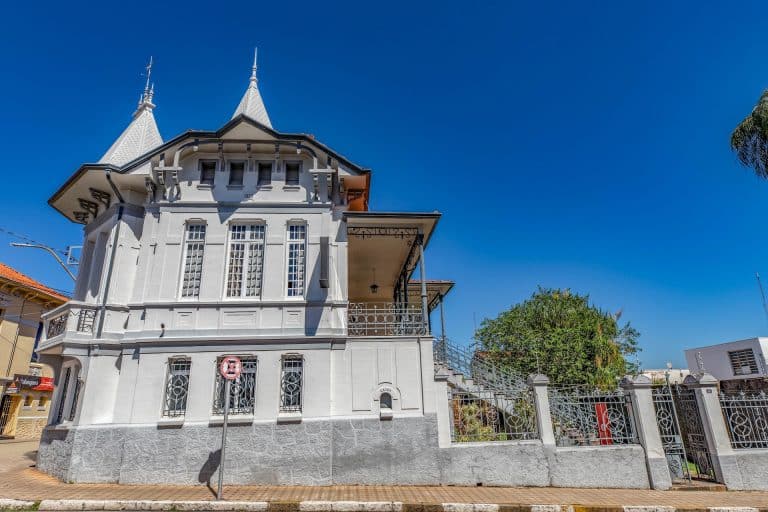
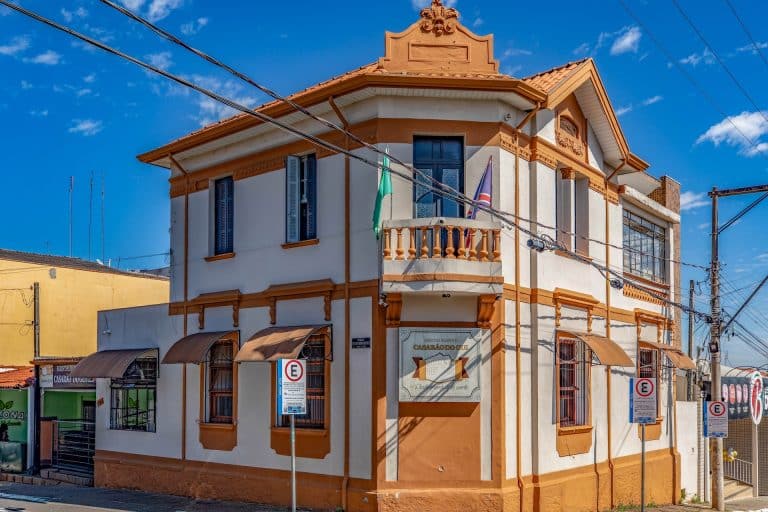
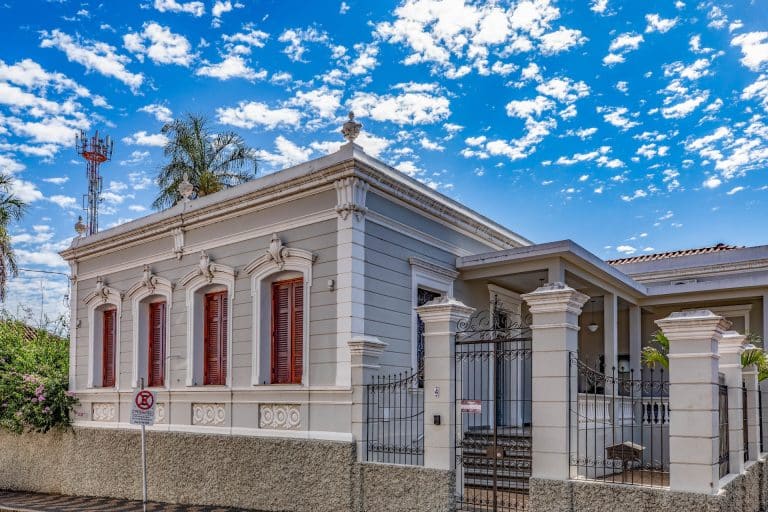
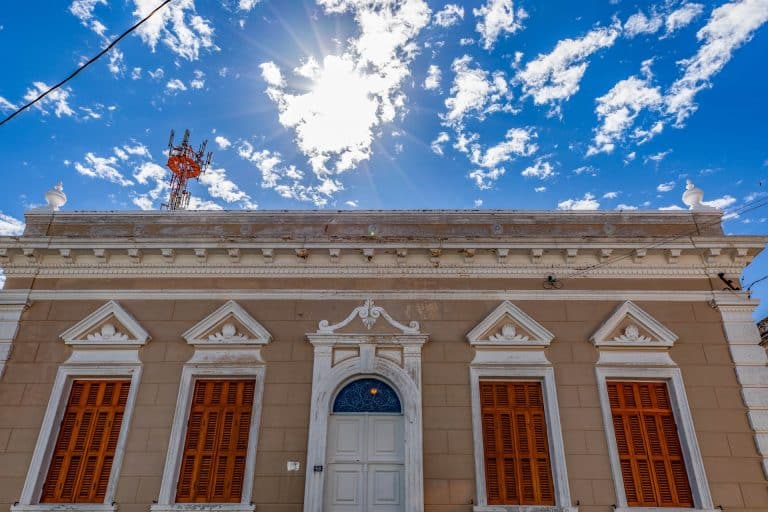
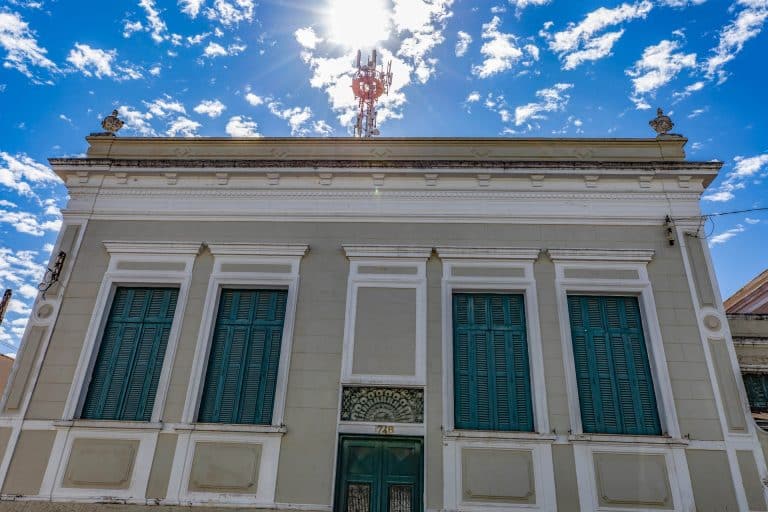
A prominent feature of the downtown cityscape, the Casa da Cultura occupies a building that dates back to 1909, which began operating as the town’s first public jail in 1910. The yellow-toned, early 20th-century eclectic structure provides a distinct visual contrast to its surrounding gardens while fully preserving its original façade and historic charm.
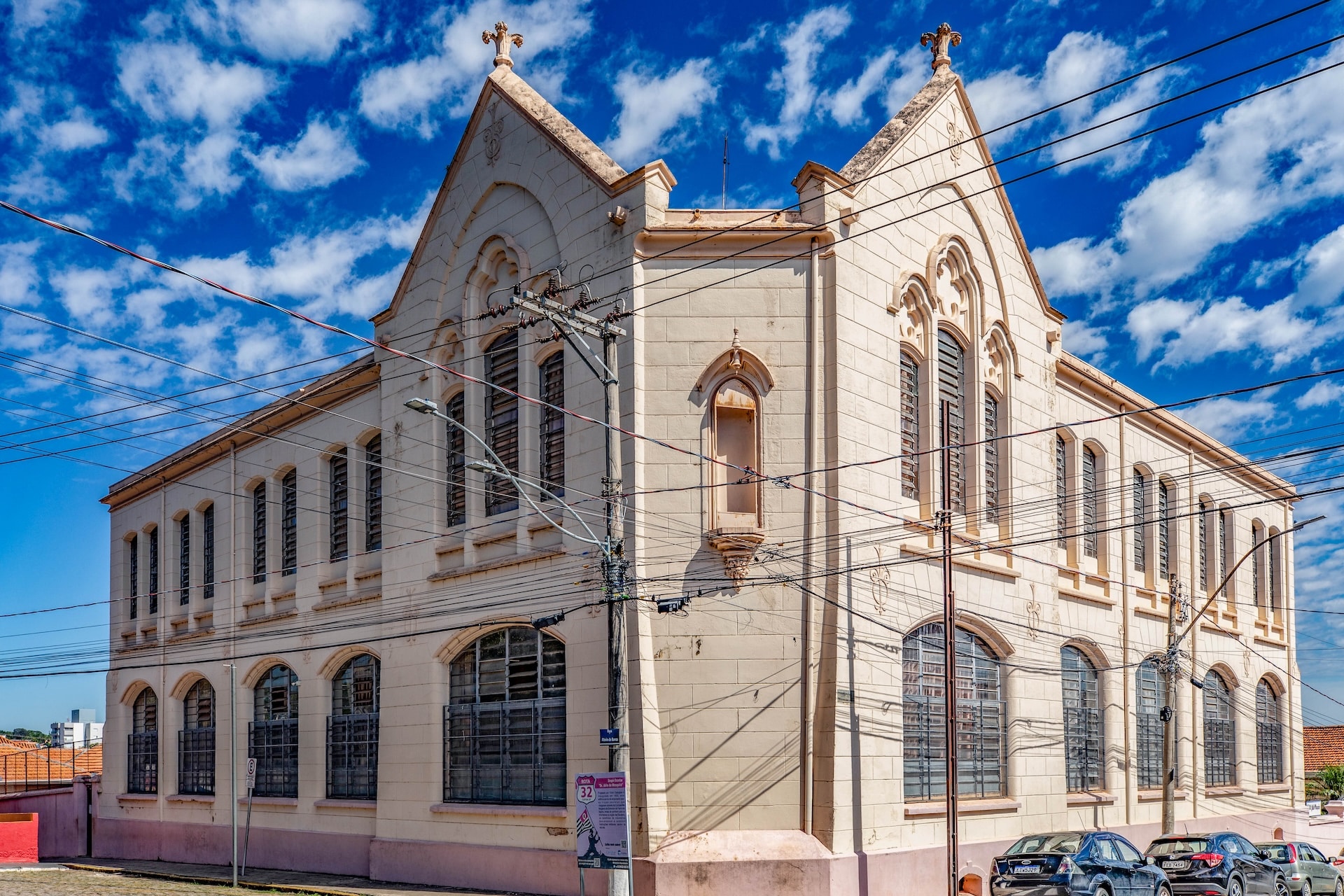
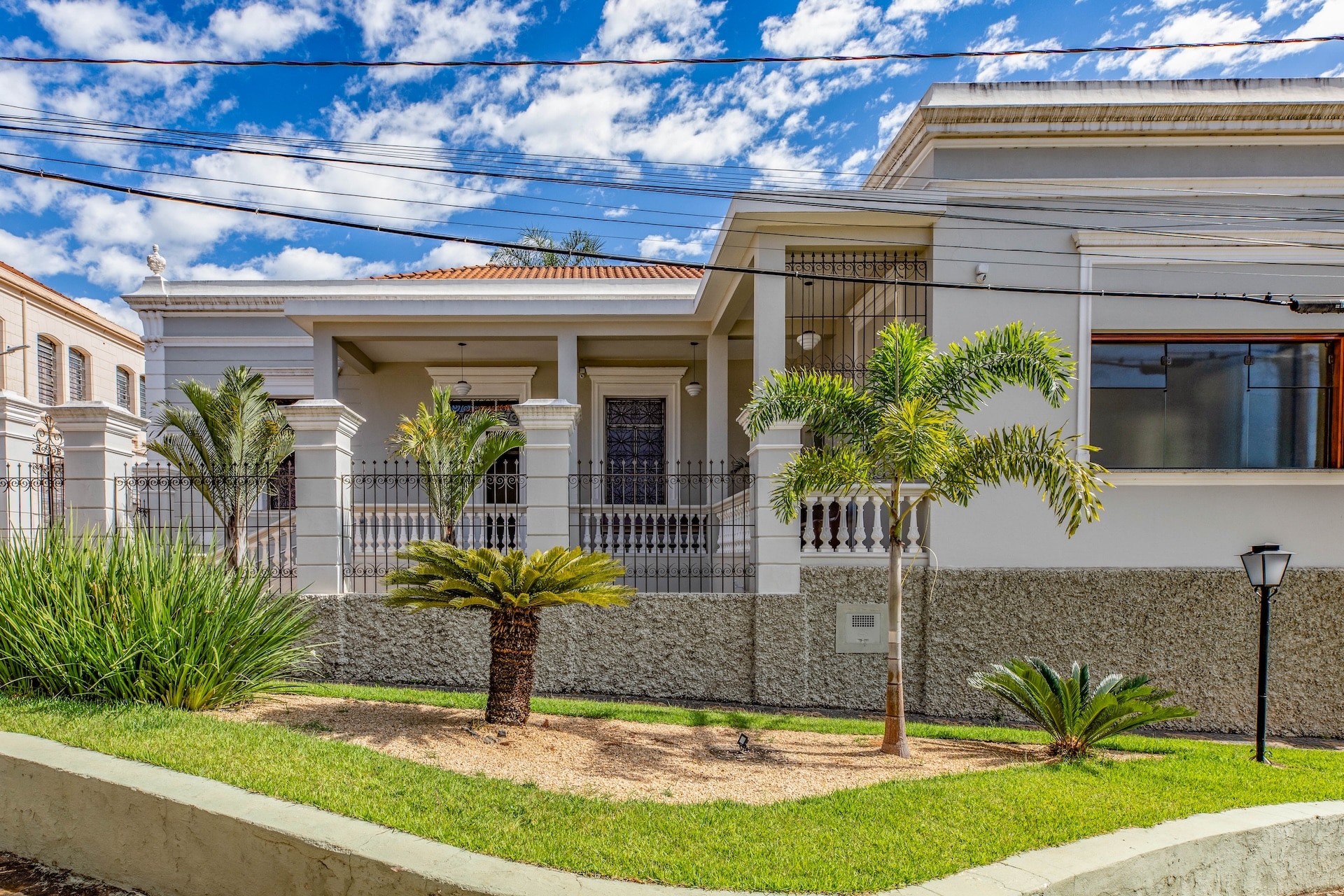
Defined by interwoven layers of landscape and history, Itapira brings together rural surroundings and historic architecture to create a highly varied catalog of filming locations. Major highways connect the city seamlessly to the wider São Paulo interior, offering quick and easy access to both Campinas and Viracopos International Airport.
Nearest international airport: Viracopos (VCP)
Distance to nearest airport: 95 km
Distance to São Paulo: 167 km
Distance to GRU Airport: 189 km