Santo Anastácio began to take shape in the early 20th century as the Sorocabana Railway extended west toward the Paraná River. At the time, the region was known as the Paranapanema backlands, a remote area covered in dense forest. The railway opened the region to settlement, laying the foundations for the town’s growth.
Landowners Francisco Bravo del Val and Ângelo Tobias, working with the Companhia dos Fazendeiros de São Paulo, helped acquire and develop the land around the settlement. As more families arrived, the town grew, and its urban center began to take shape. By 1917, the railway had become central to the town’s development and layout.
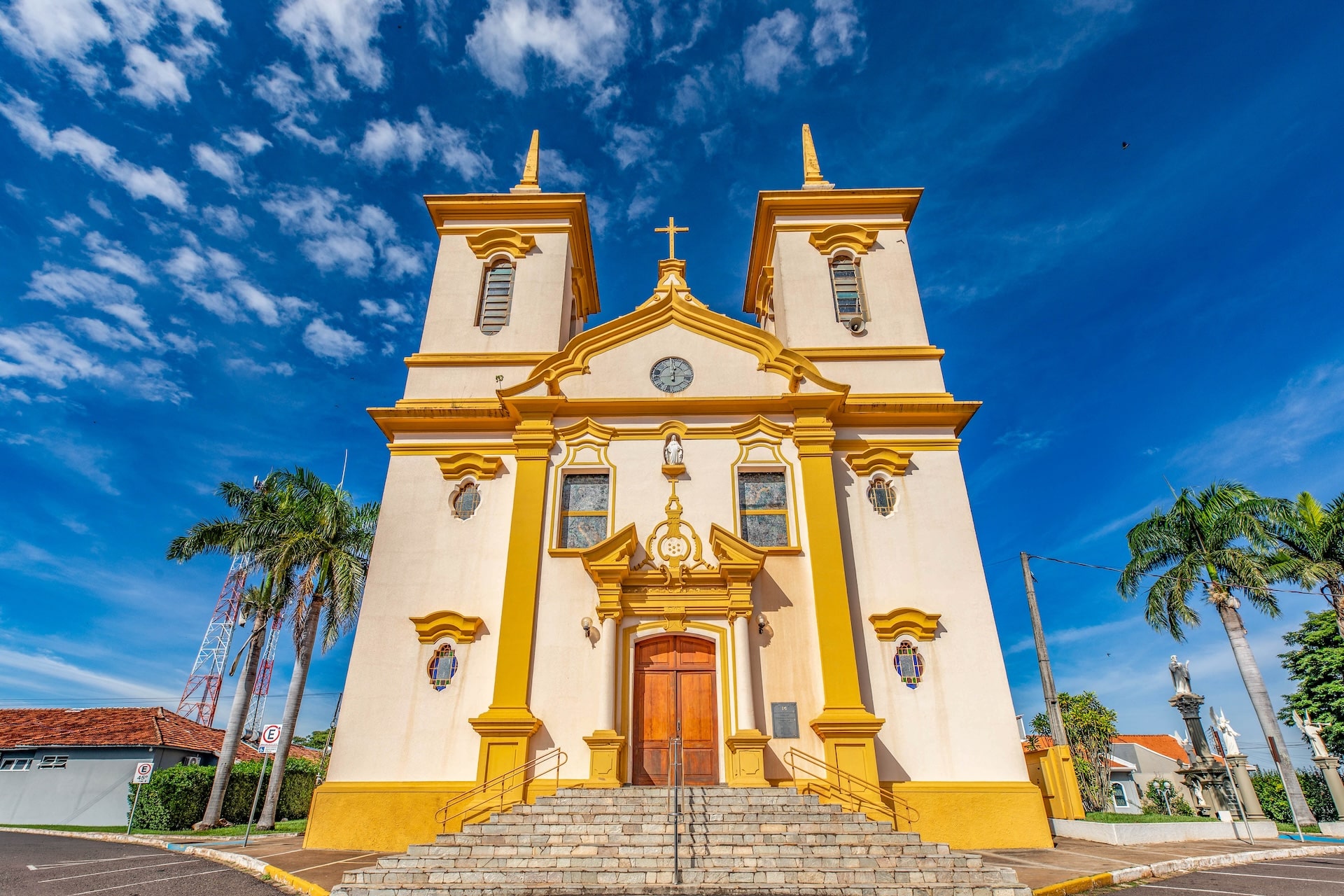
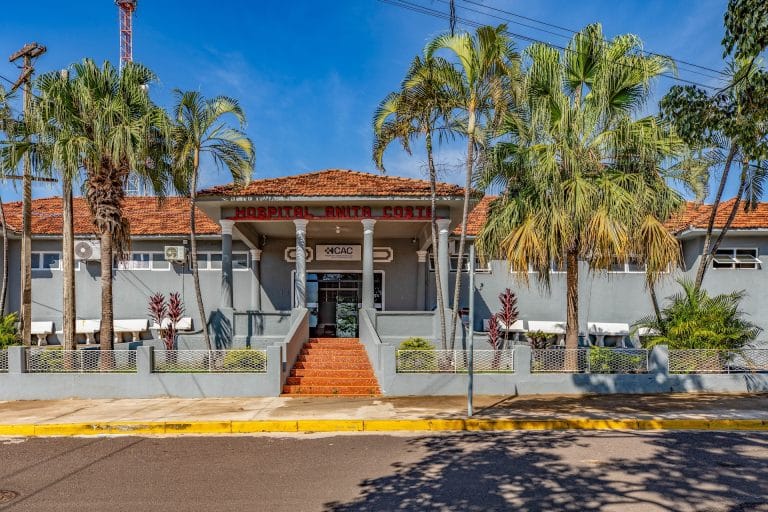
Santo Anastácio’s growth was soon reflected in its architecture, with the first landmarks taking shape as the town expanded. The Igreja Matriz de Santo Anastácio, the town’s parish church, is one of its most prominent landmarks. The parish dates back to 1925, and the construction of the present church began in 1935 and continued into the 1950s. Its eclectic and neo-baroque architecture features a symmetrical façade, twin bell towers, and ornamental details in shades of yellow and white.
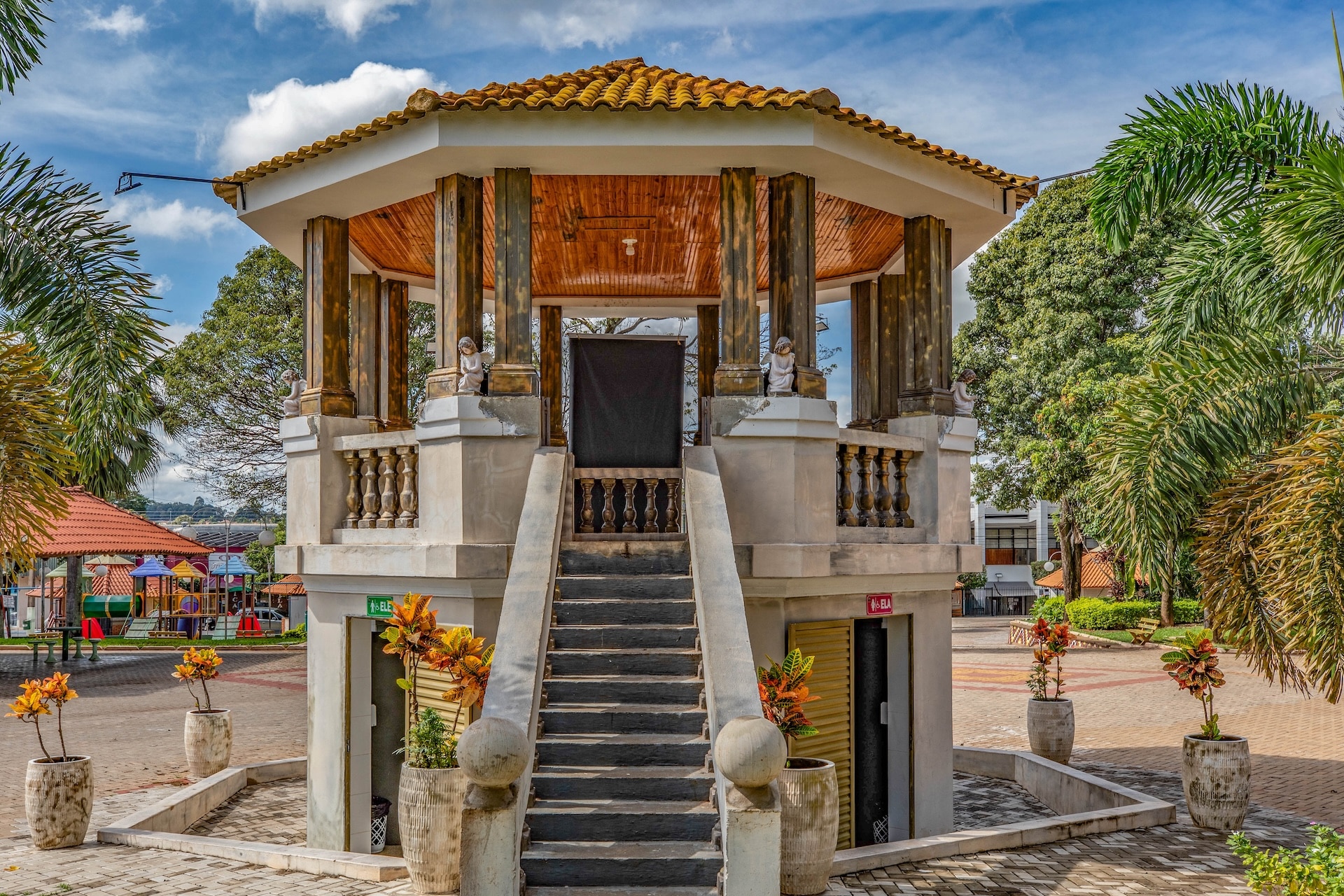
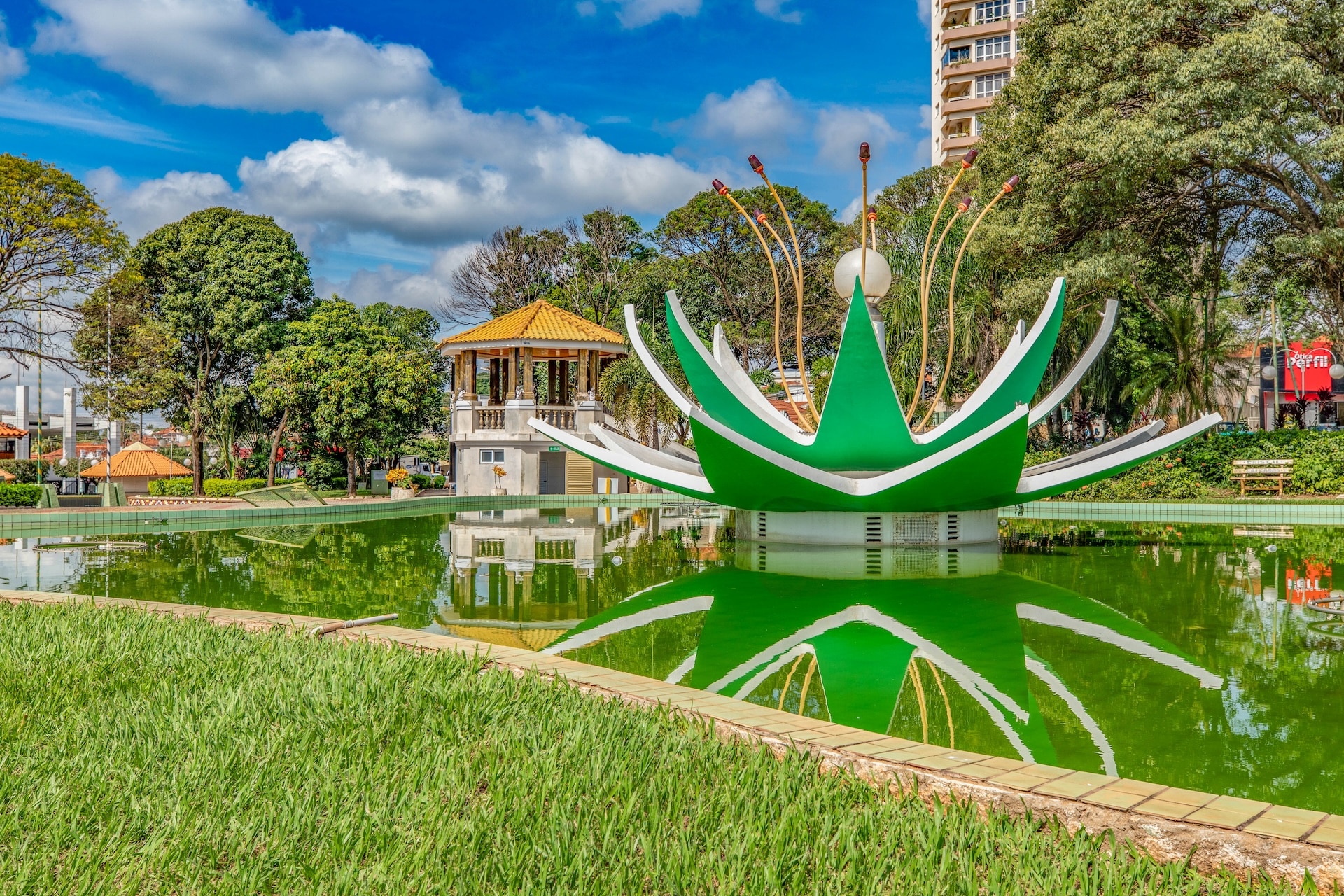
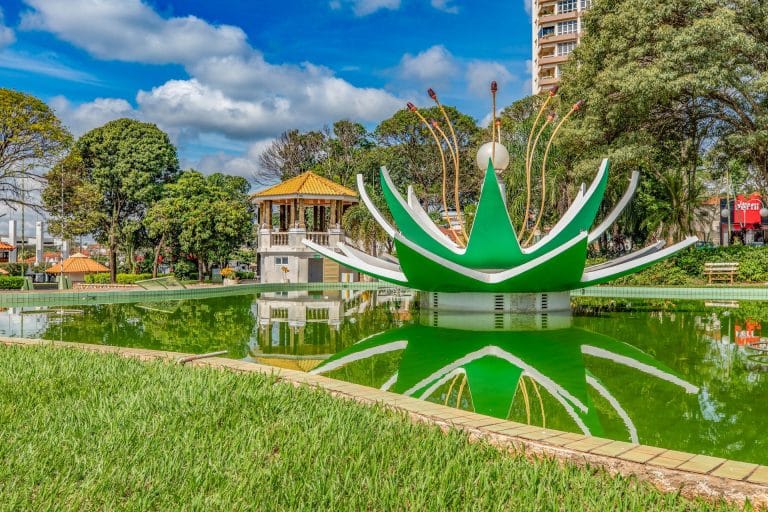
As the city center took shape, Praça Doutor Luiz Ramos e Silva square retained its original layout and became an important part of the city’s collective memory. Its monumental features include Corinthian columns adorned with sculptures of angels, installed to commemorate the parish’s centenary and to symbolically connect different periods of the city’s history.
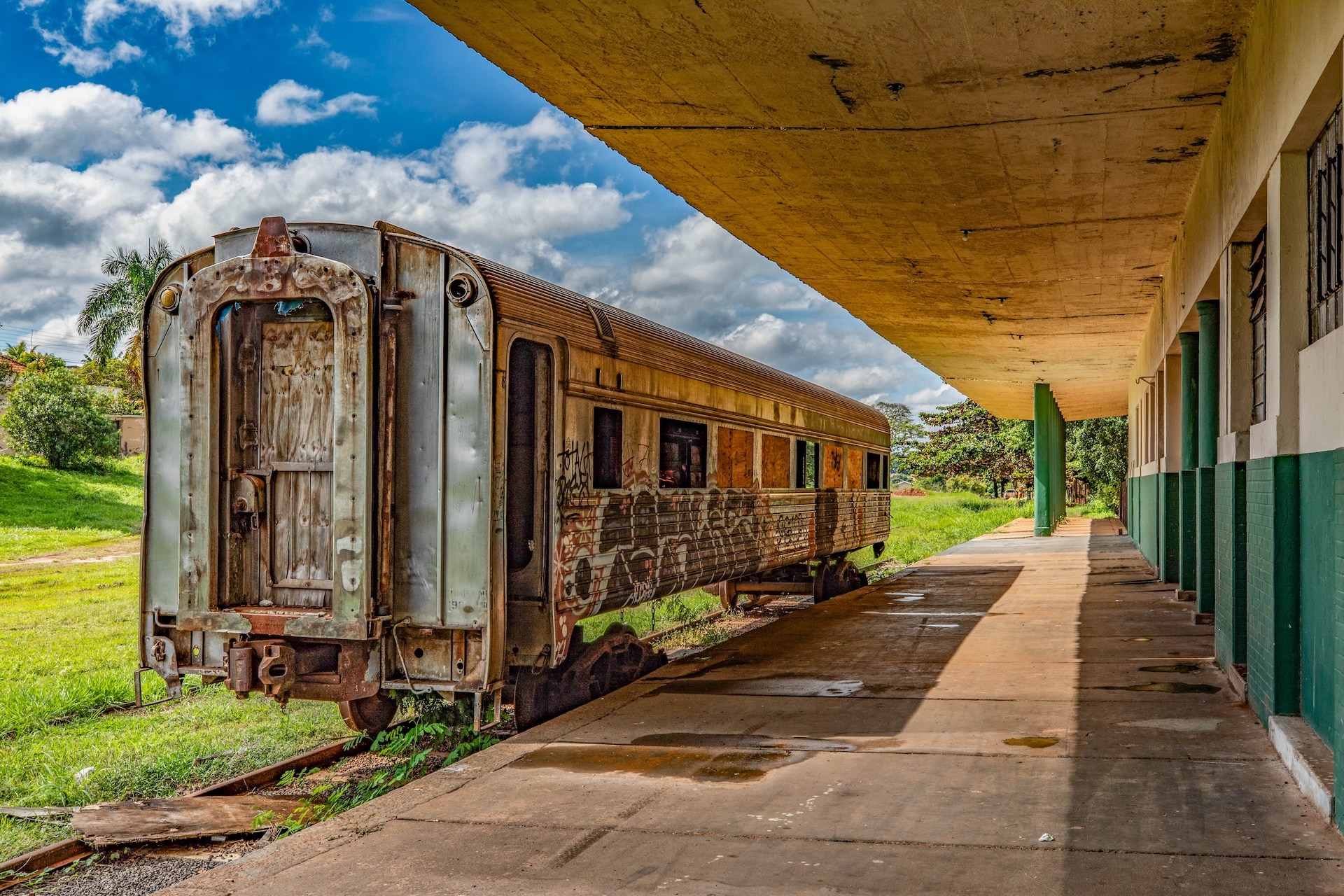
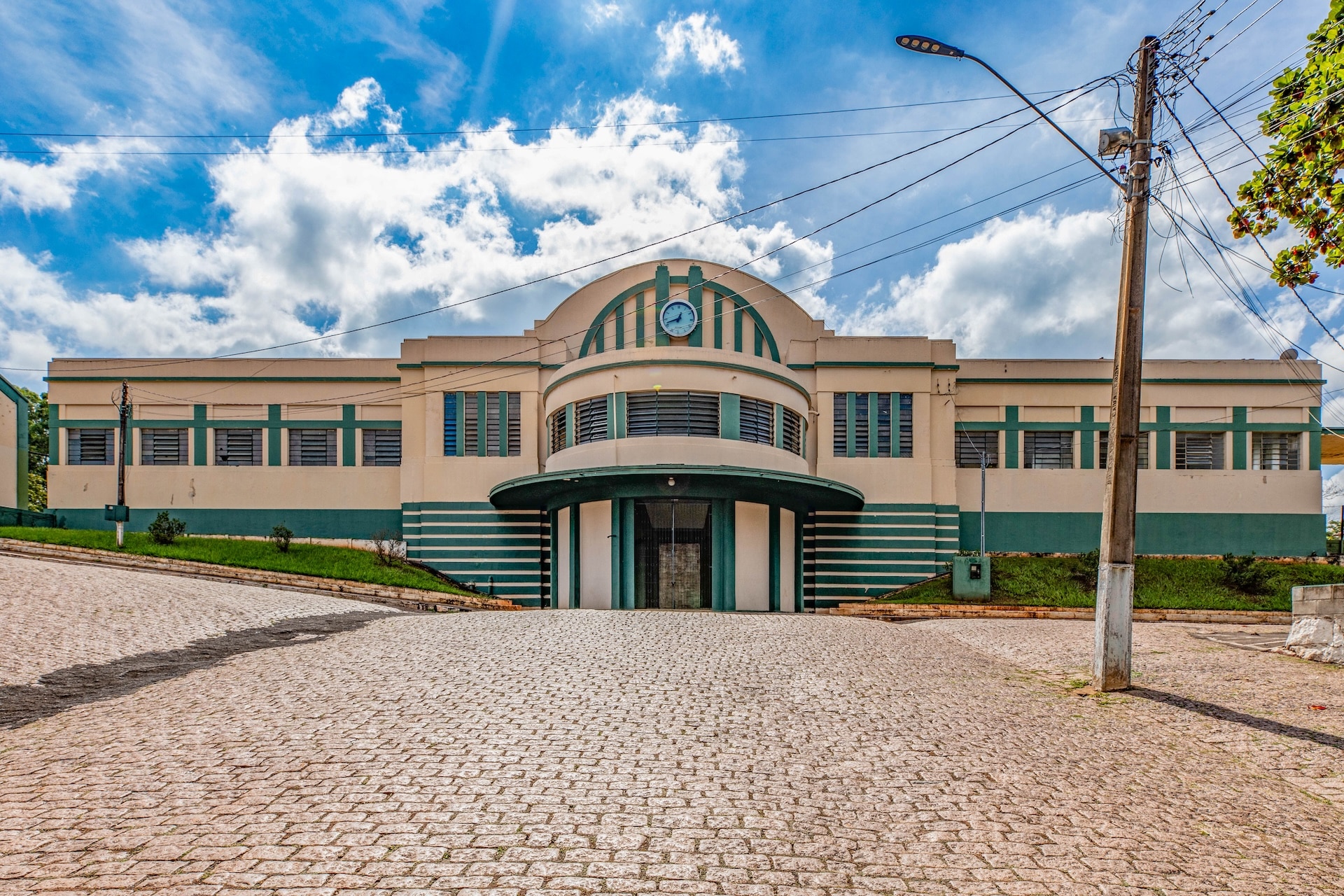
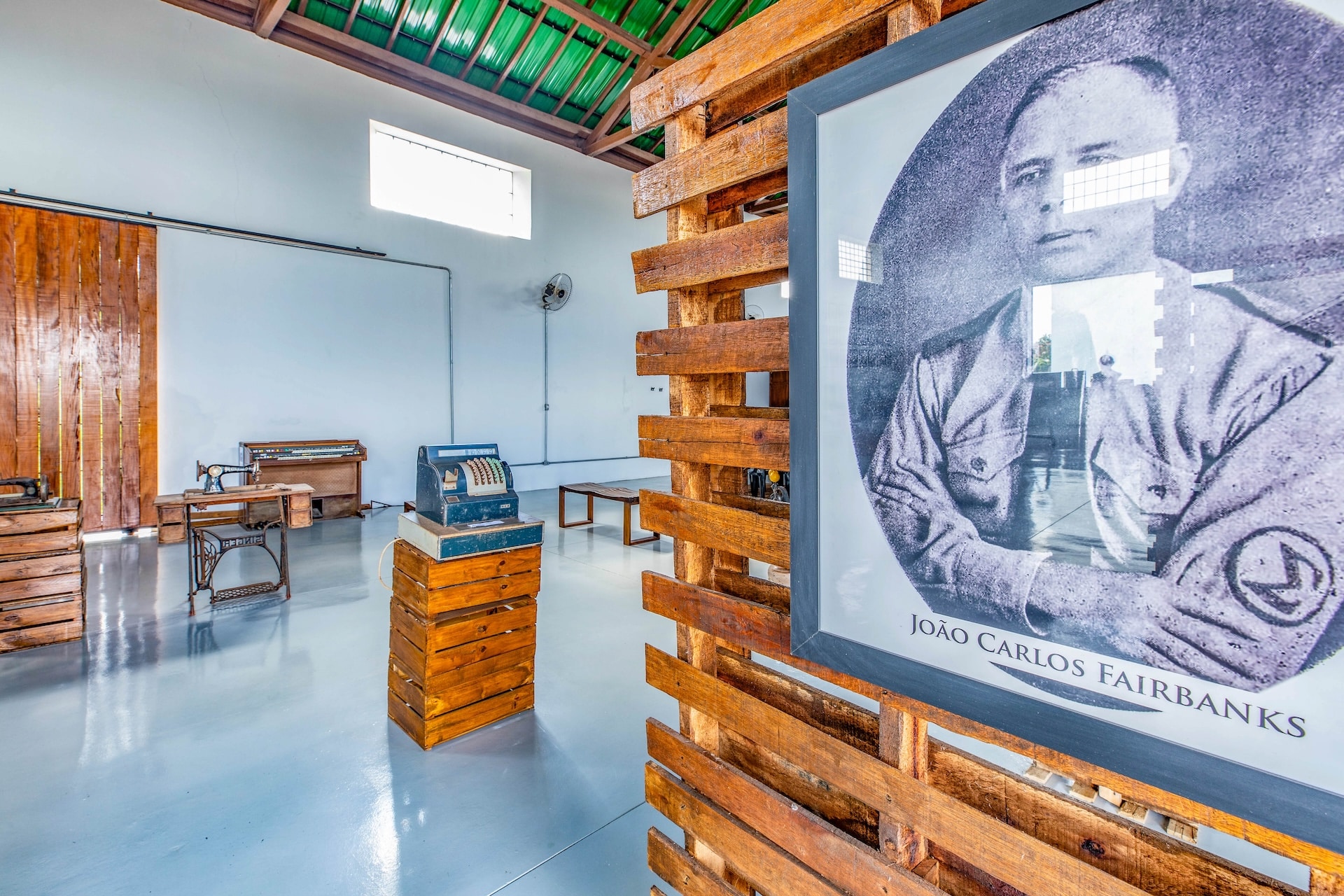
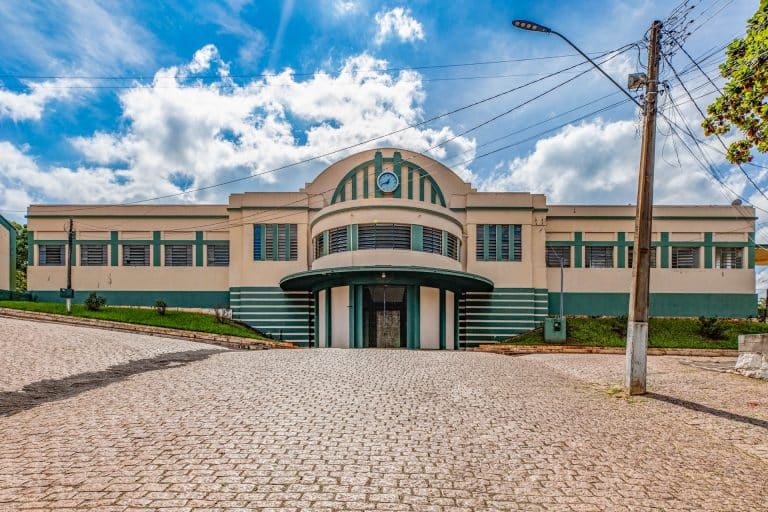
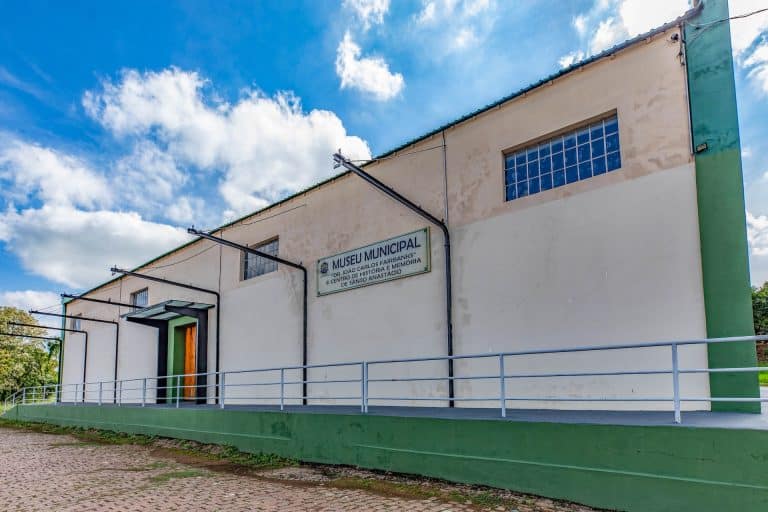
This sense of historical continuity also carries over into the city’s railway heritage, preserved at the Carlos Fairbanks Museum, which occupies the former FEPASA railway workshops, many of whose original features remain intact. The green façade, upper windows, high ceilings, and exposed timber roof preserve the character of the old railway workshops, offering a glimpse of the period when the railroad was expanding in the São Paulo countryside.
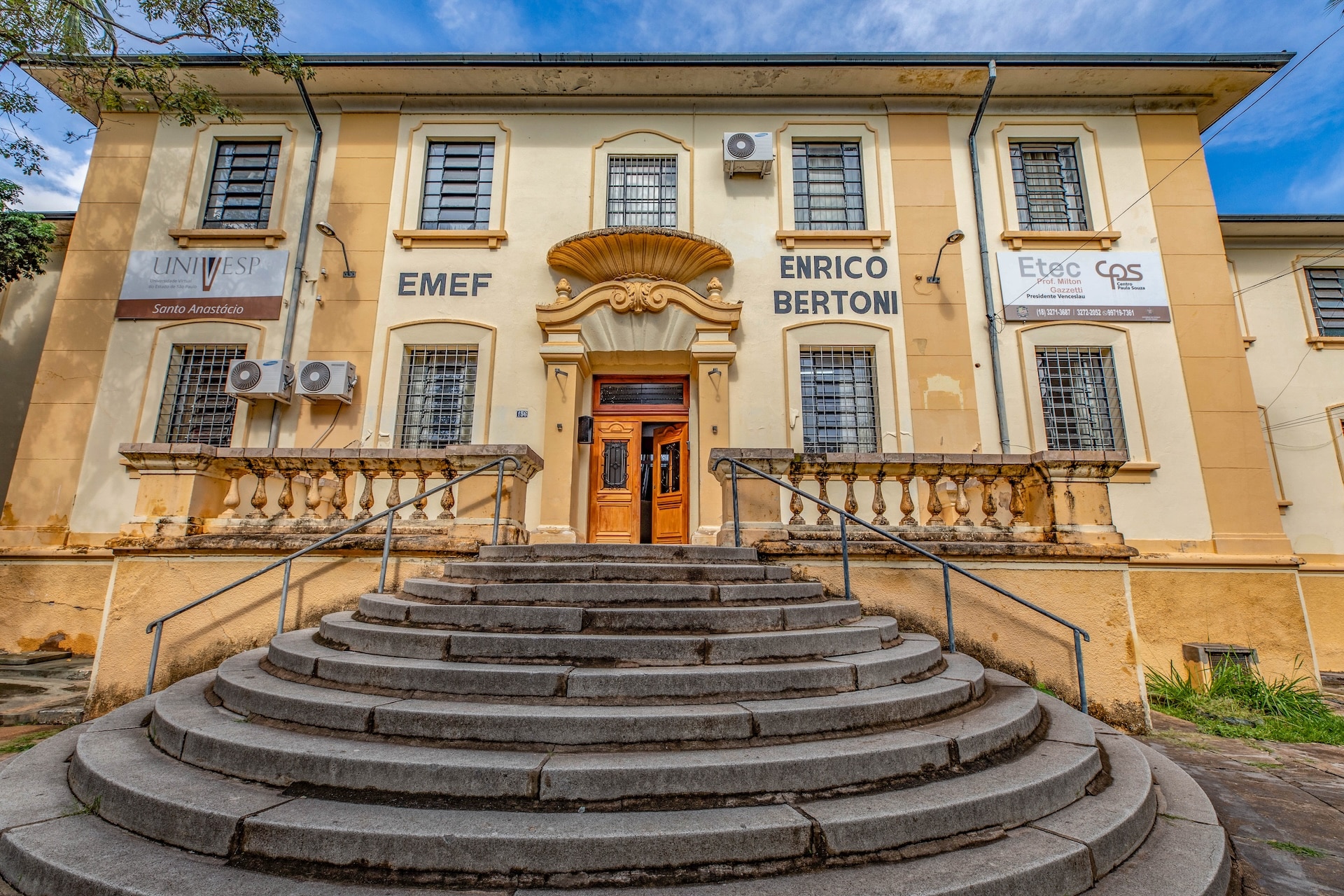
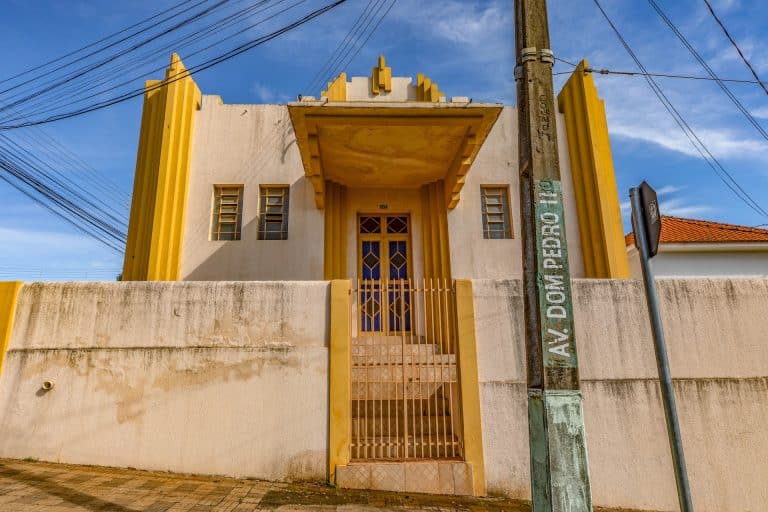
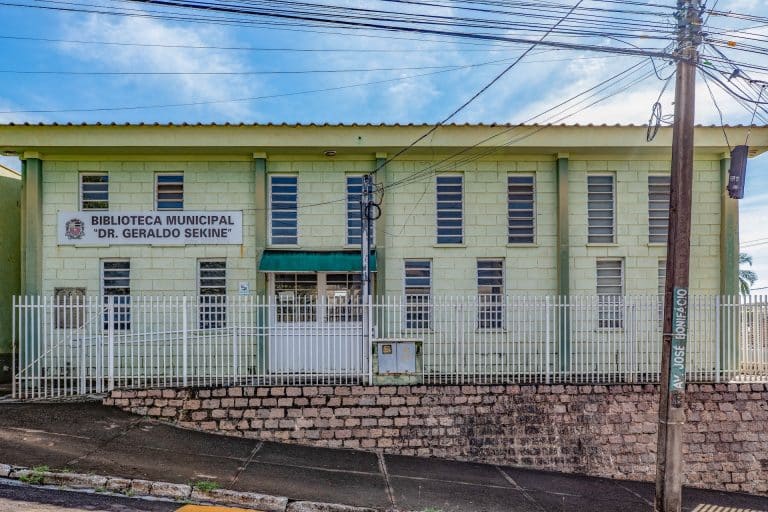
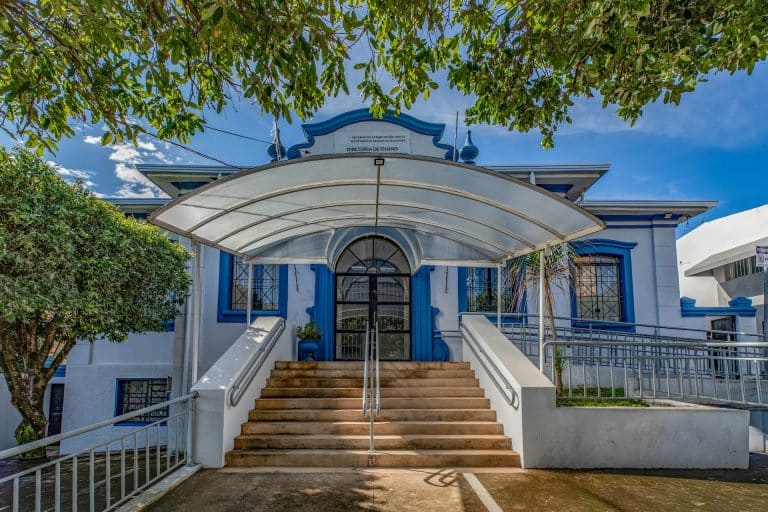
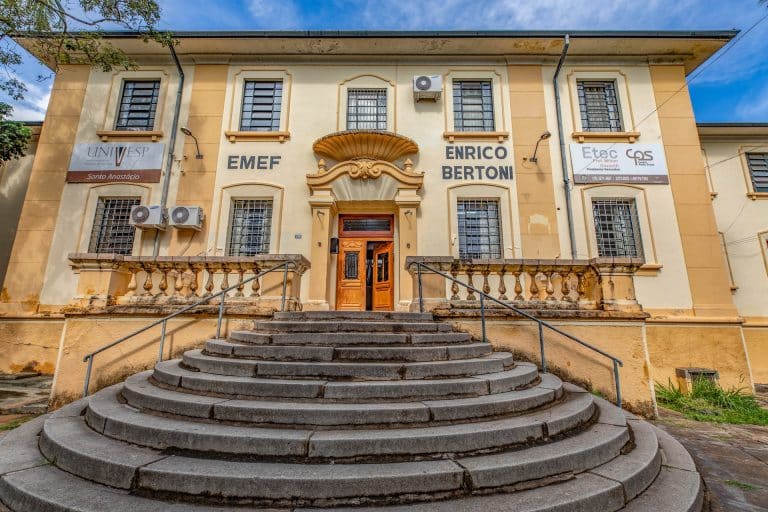
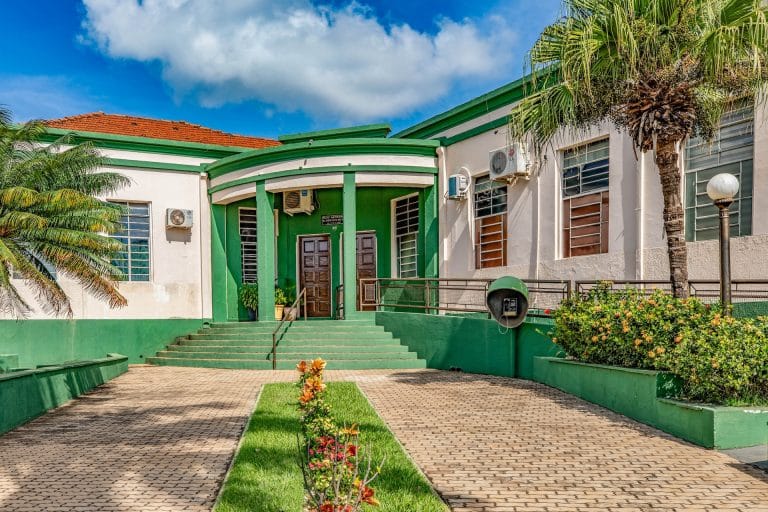
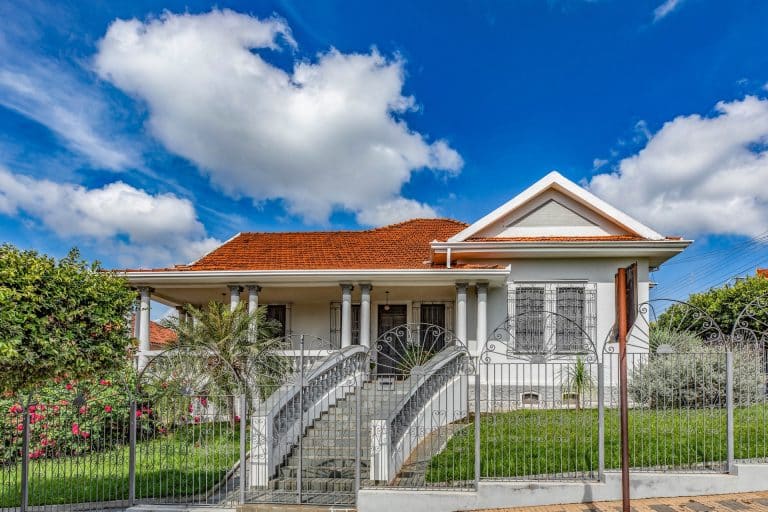
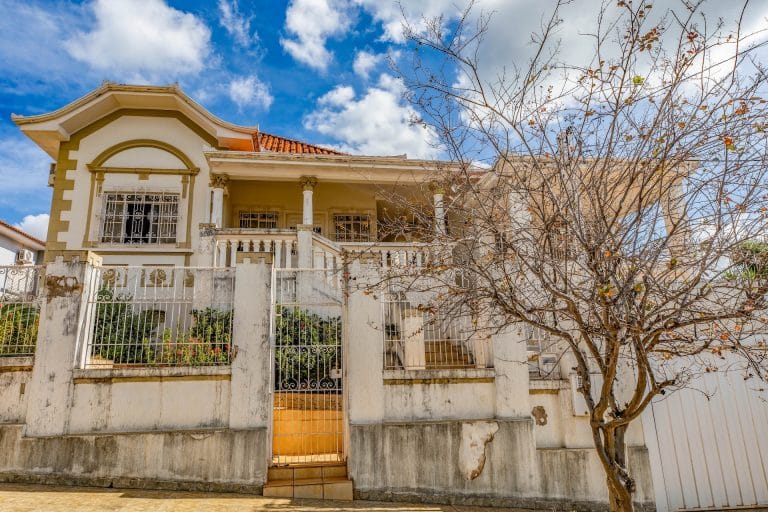
Santo Anastácio offers a striking mix of historic architecture, public spaces, and railway heritage, with traces of different periods still visible throughout the town. The result is a distinctive setting with a naturally cinematic quality.
Technical Information
Nearest international airport: Viracopos (VCP)
Distance to nearest airport: 537 km
Distance to São Paulo: 558 km
Distance to GRU Airport: 580 km