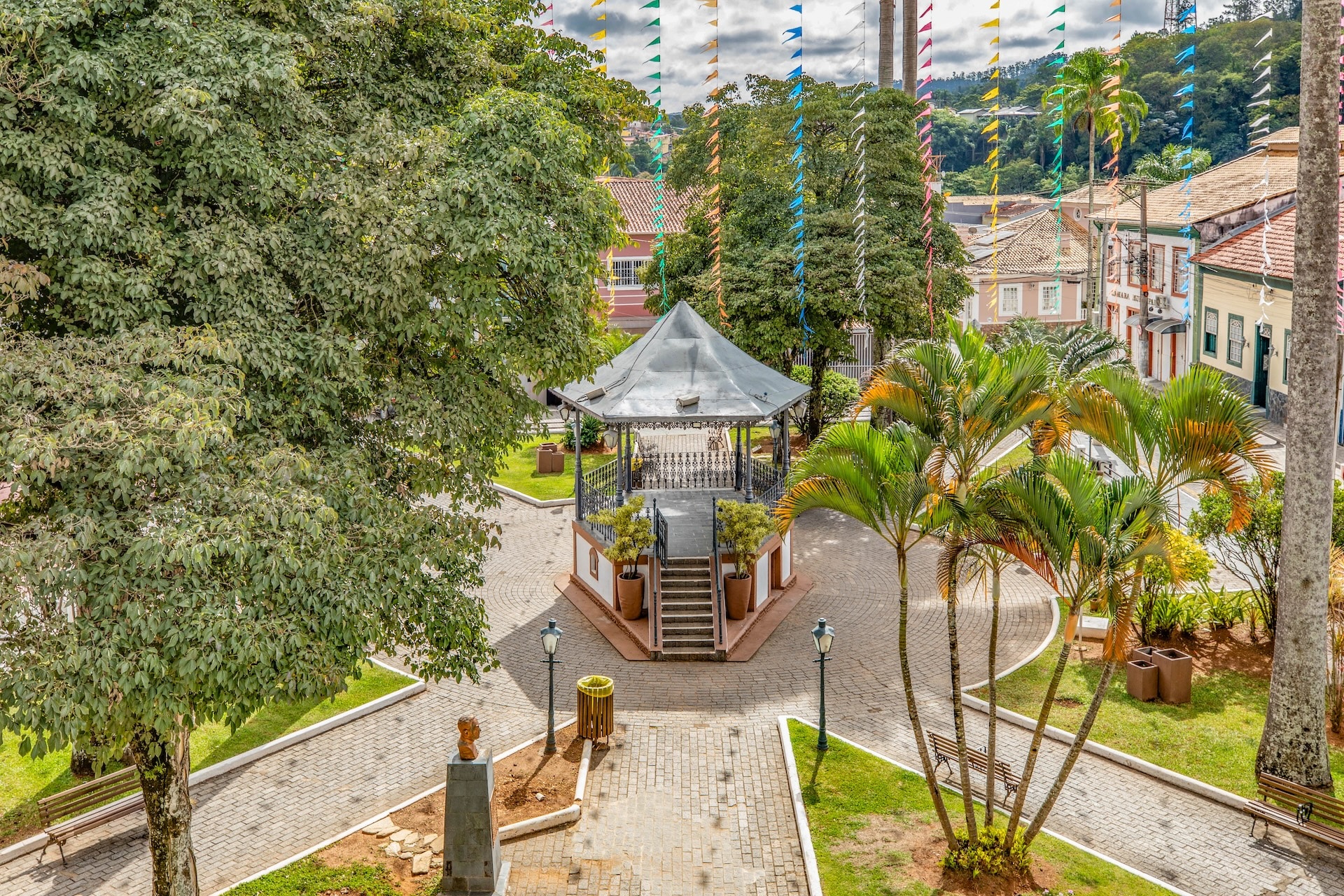
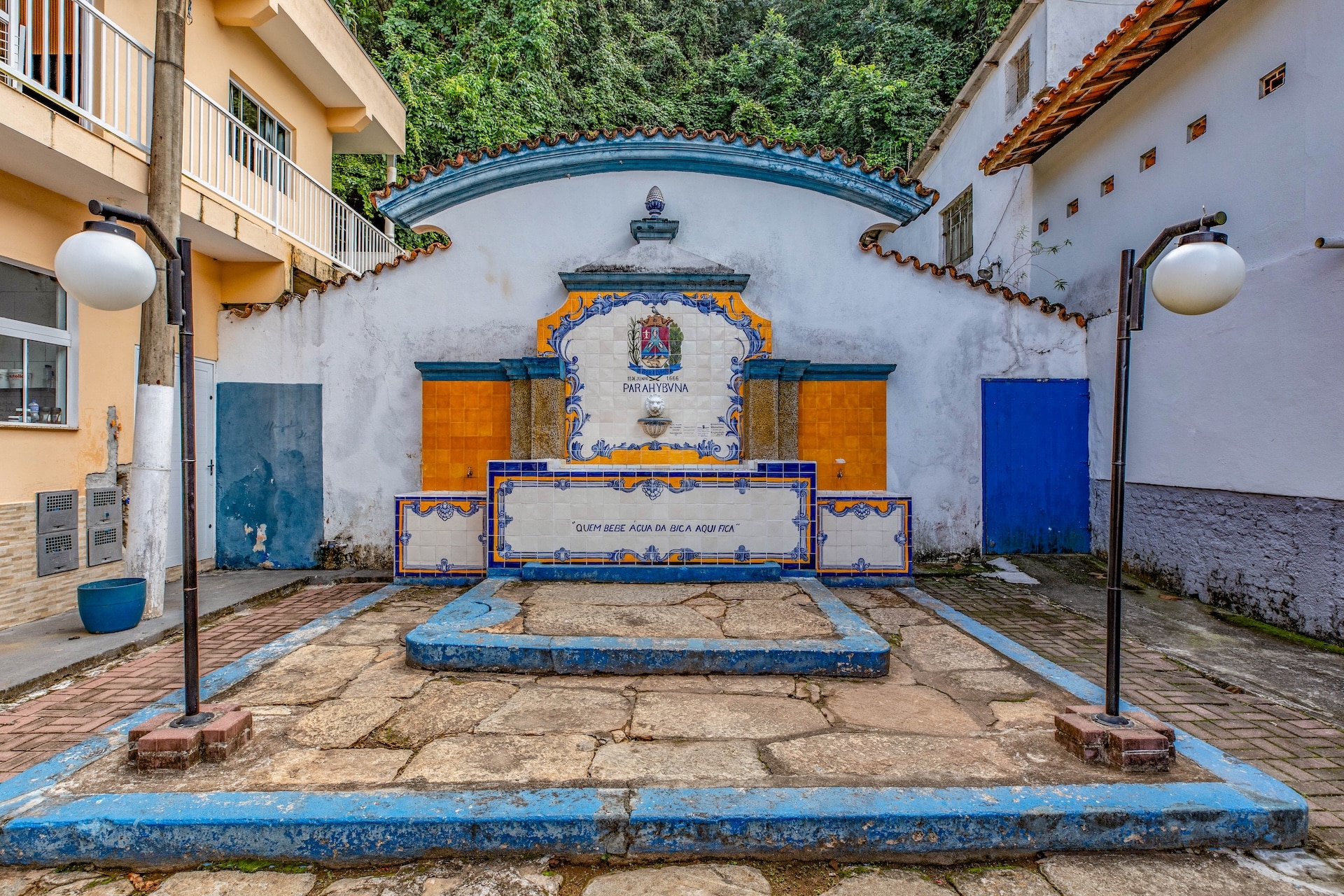
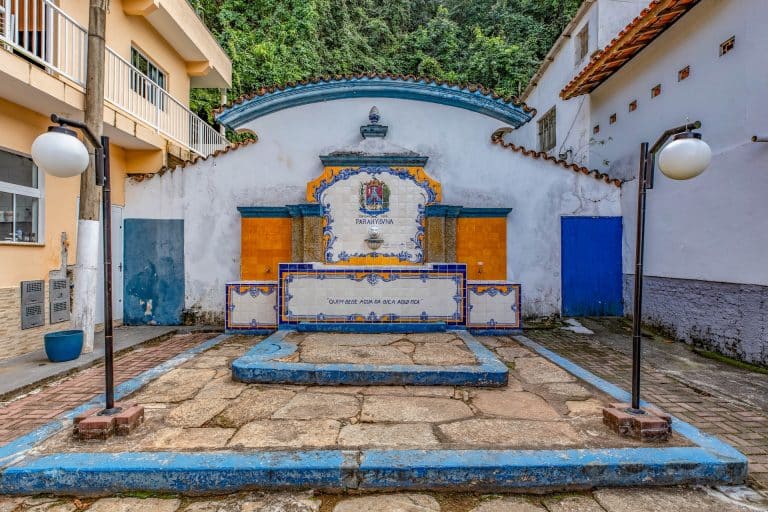
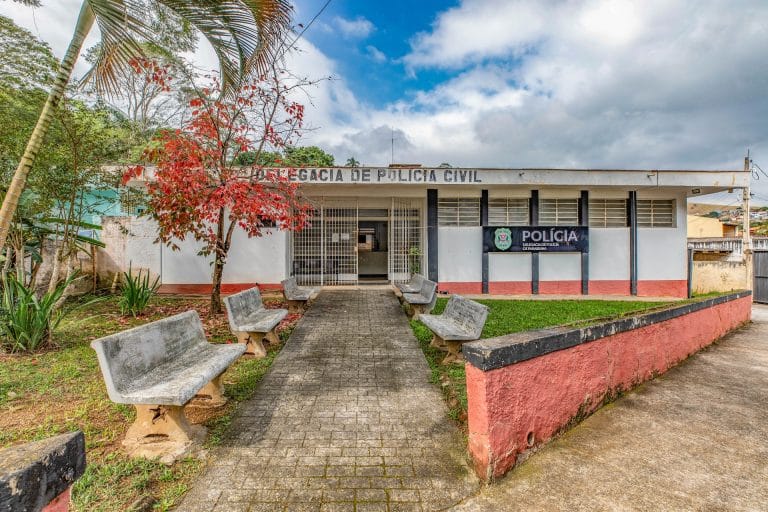
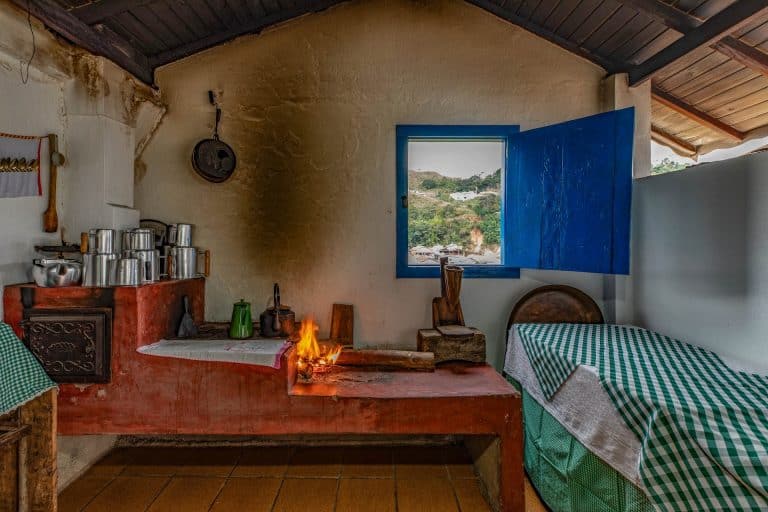
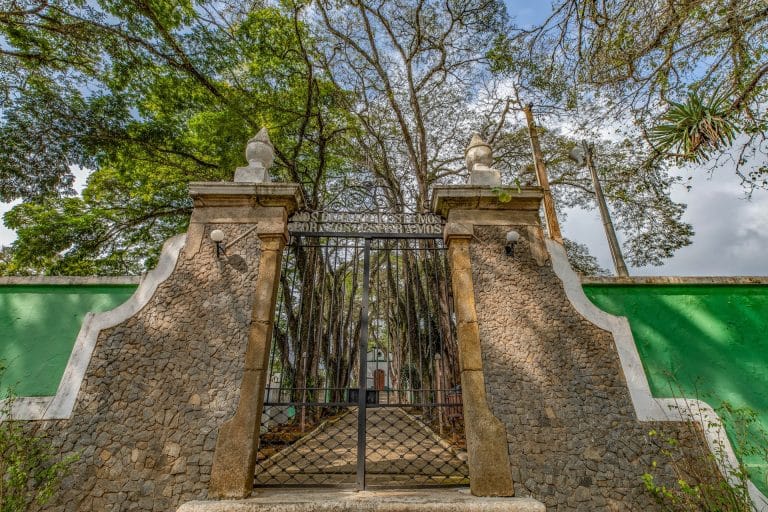
Paraibuna traces its origins to 1666, when settlers from Taubaté began establishing communities along the Paraibuna and Paraitinga rivers. Situated between the São Paulo countryside and the coast, the settlement became an important waypoint on the routes traveled by tropeiros, or muleteers, helping agriculture develop and the region grow.
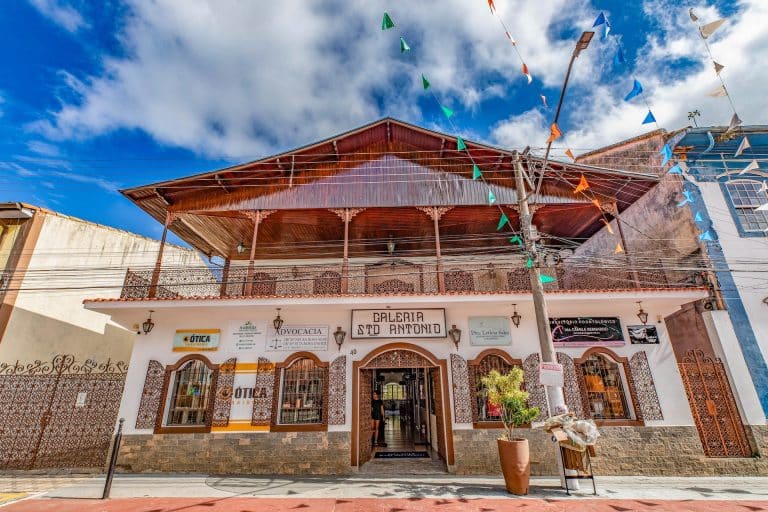
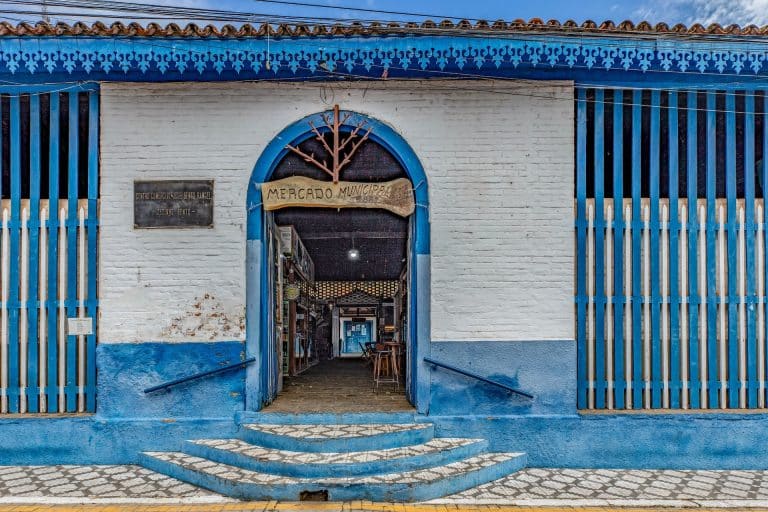
Sugarcane production was already an important part of the local economy in the 18th and 19th centuries, but Paraibuna prospered most during the 19th-century coffee boom. The wealth brought by coffee plantations reshaped the town and surrounding countryside, and many of the houses, churches, and farm estates built during the period still stand today, preserving a tangible link to the history of the Paraíba Valley.
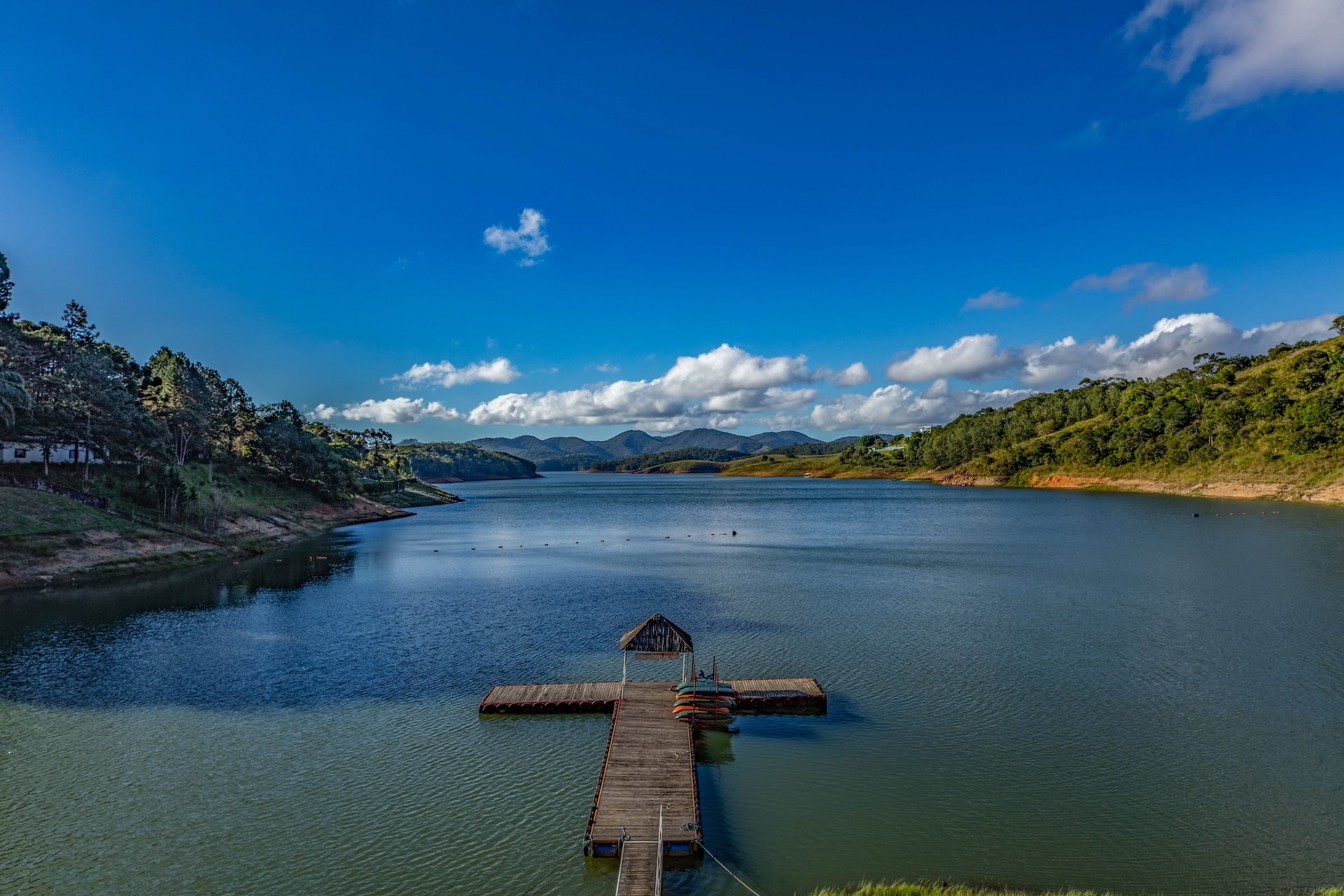
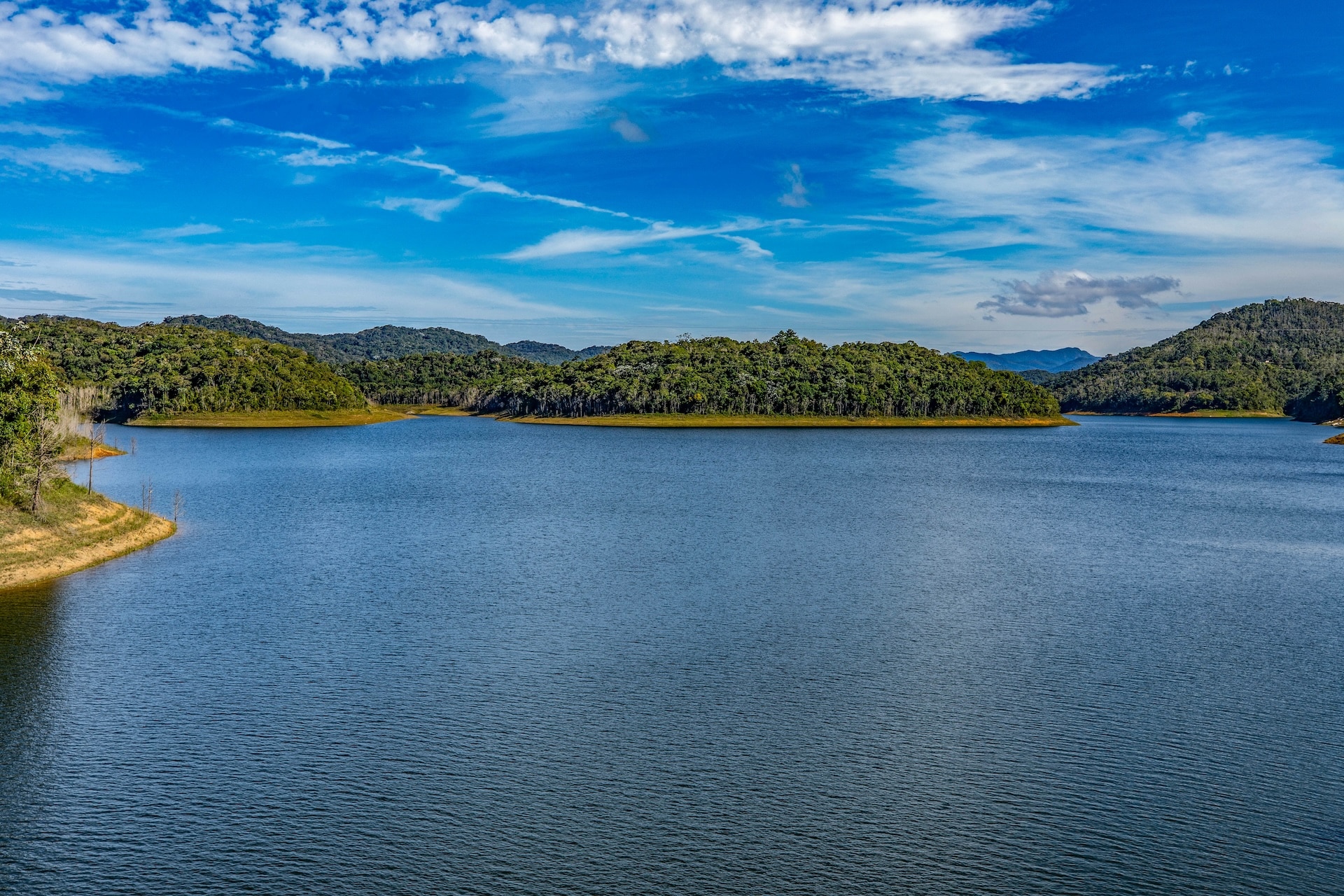
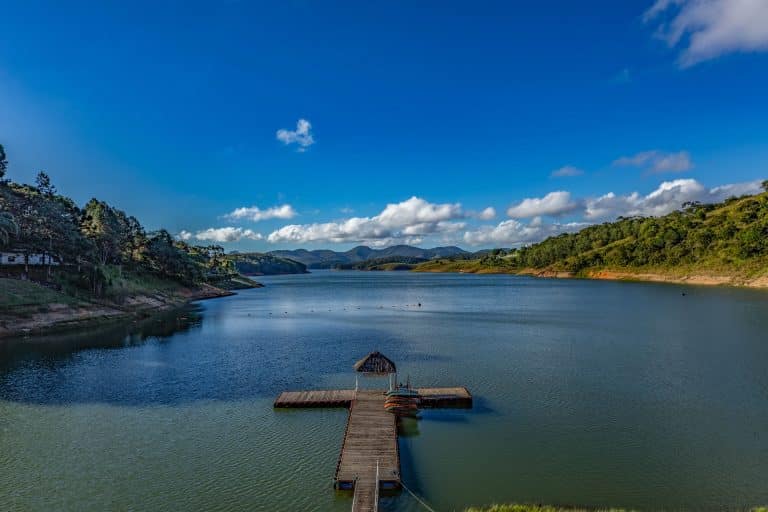
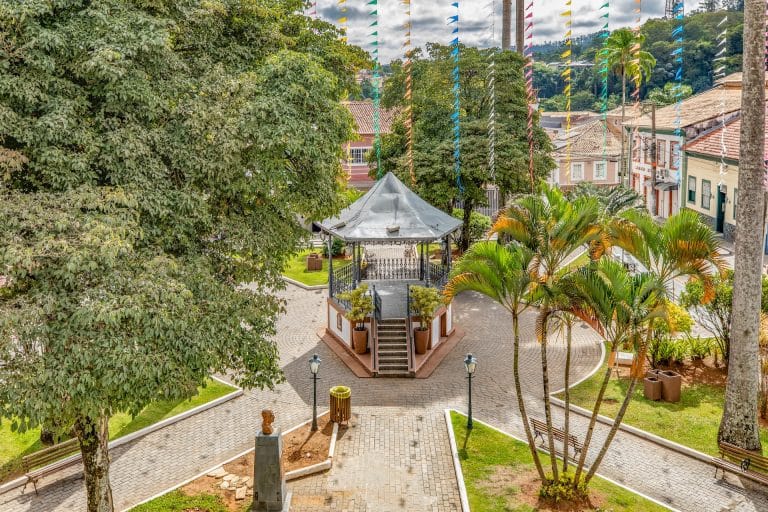
The construction of the Paraibuna Reservoir in the 1960s marked a new chapter in the town’s history, transforming the surrounding landscape. Mountains, rivers, remnants of the Atlantic Forest, and wide stretches of water now sit alongside the town’s well-preserved historic architecture, creating a striking contrast between the natural and historic urban environments.
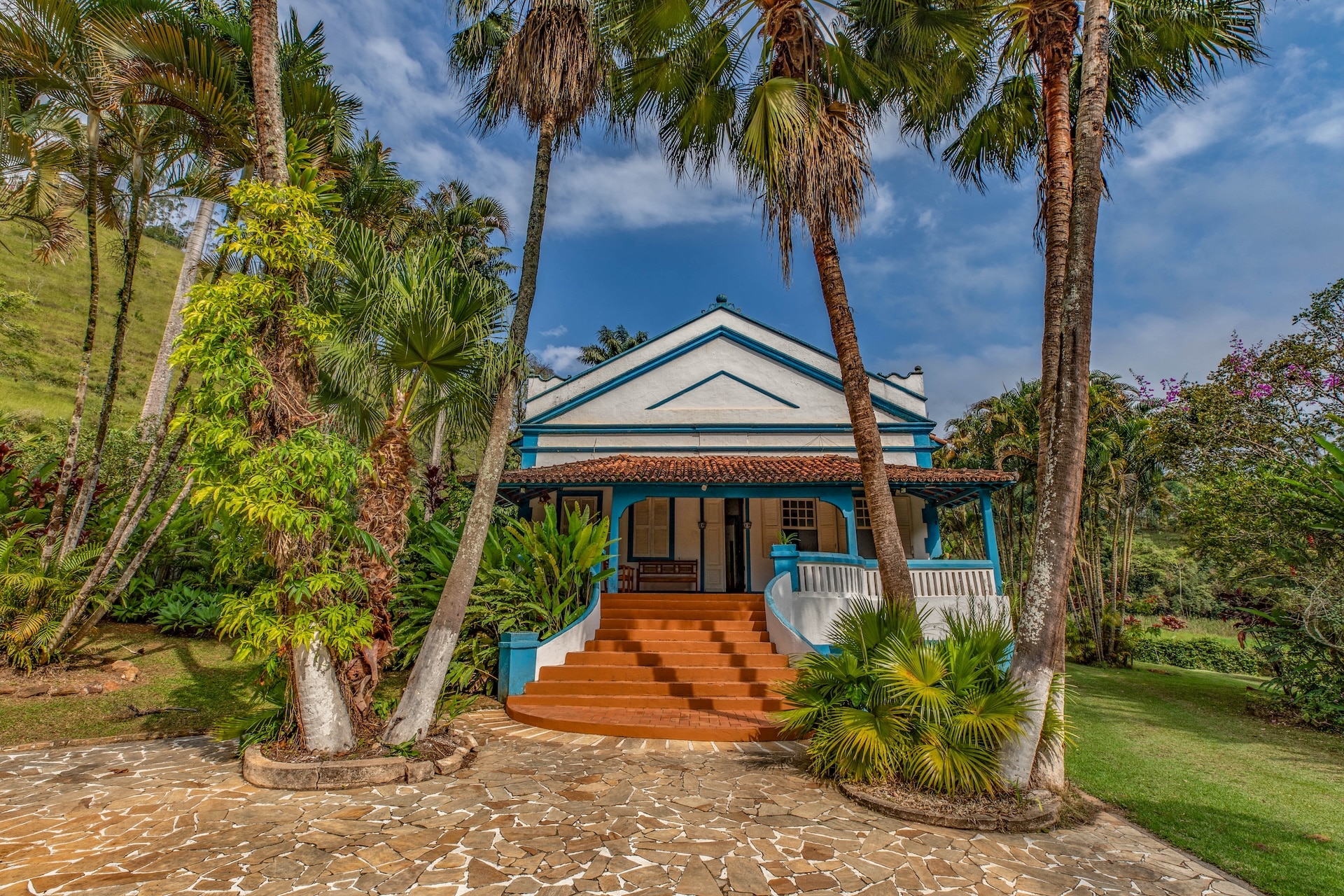
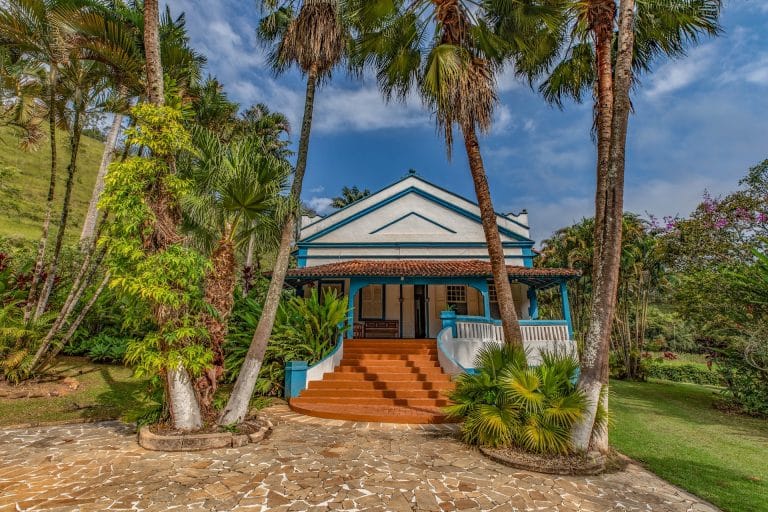
In the countryside, Fazenda Laranjeiras preserves the architecture of a 19th-century coffee plantation. Surrounded by greenery, the main house has a white façade with blue details, a front veranda, and a central staircase. Inside, wooden floors, high ceilings, and large windows add to the period character, making it suitable for both period productions and contemporary stories set in the countryside.
Igreja Matriz de Santo Antônio, the main church, is one of Paraibuna’s most recognizable historic buildings. Located in the town center, the church was inaugurated in 1886 and built using the taipa de pilão, or rammed-earth, technique. Its architecture combines 19th-century São Paulo religious traditions with later additions, including a tiled façade, a naturally lit interior, and woodwork and painted details that have been preserved over time.
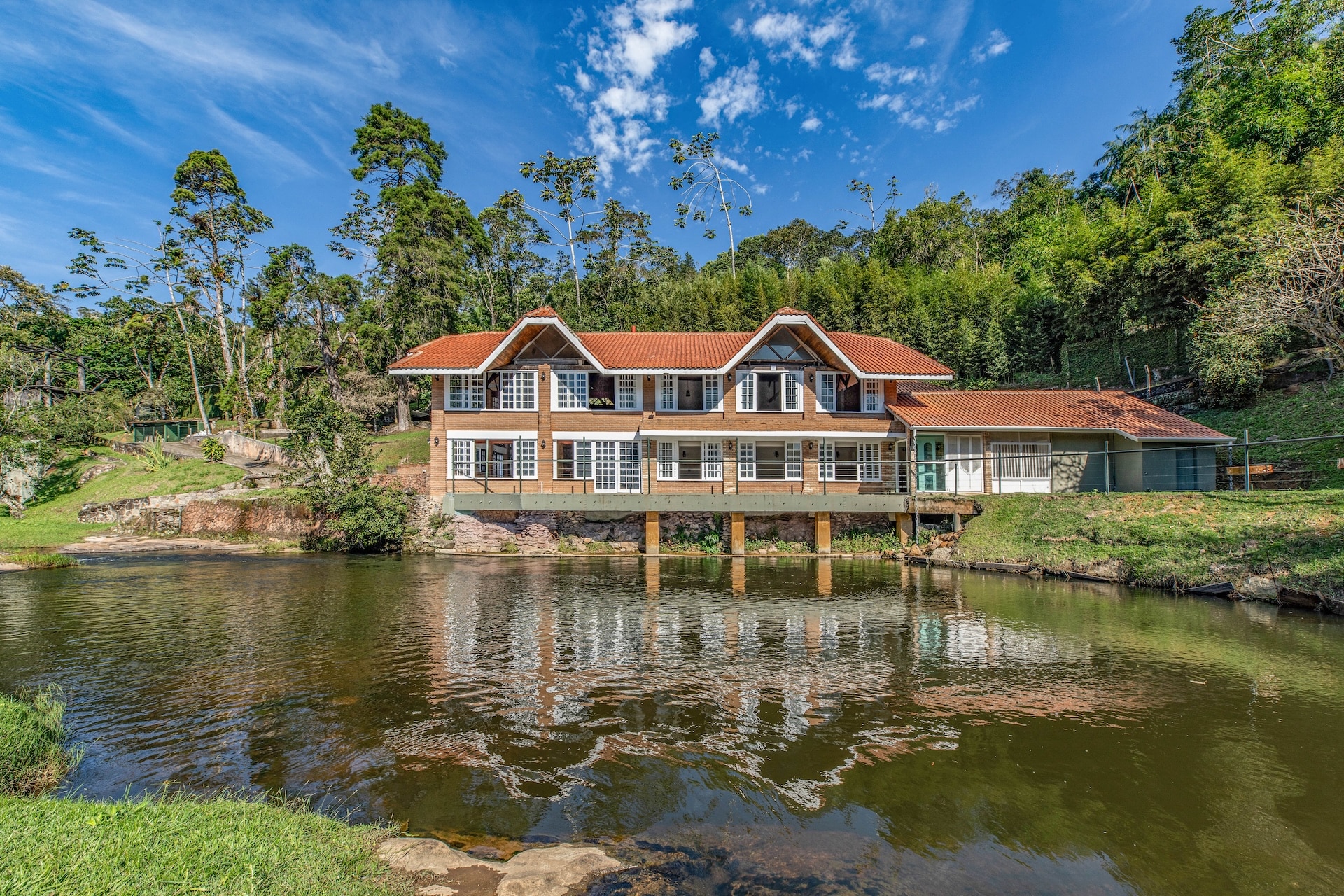
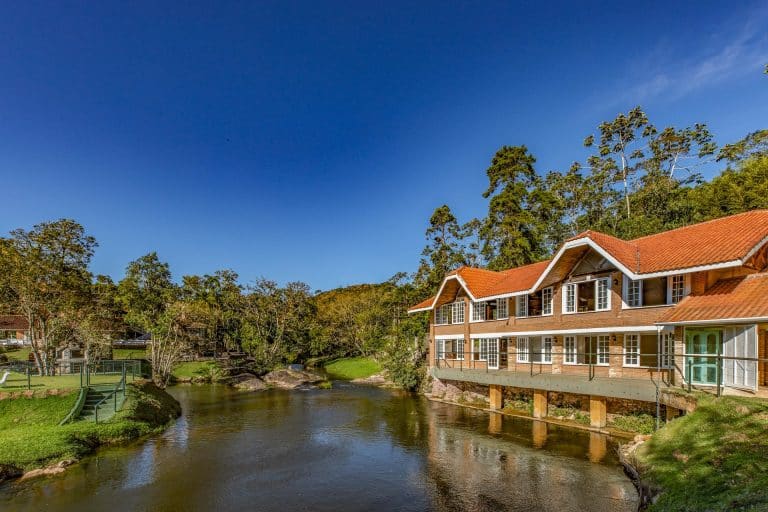
Surrounded by Atlantic Forest and overlooking the reservoir, Pousada Alto da Serra inn offers a distinctly natural setting, combining rustic and contemporary architecture with mountain views, forested areas, and access to a waterfall. Its varied surroundings offer a range of different atmospheres within a single location.
Paraibuna offers a distinctive mix of historic and natural settings, from centuries-old buildings to landscapes shaped by the reservoir and surrounding mountains. Its historic and natural settings can add character and depth to a wide range of audiovisual productions.
Nearest international airport: Guarulhos (GRU)
Distance to nearest airport: 106 km
Distance to São Paulo: 129 km