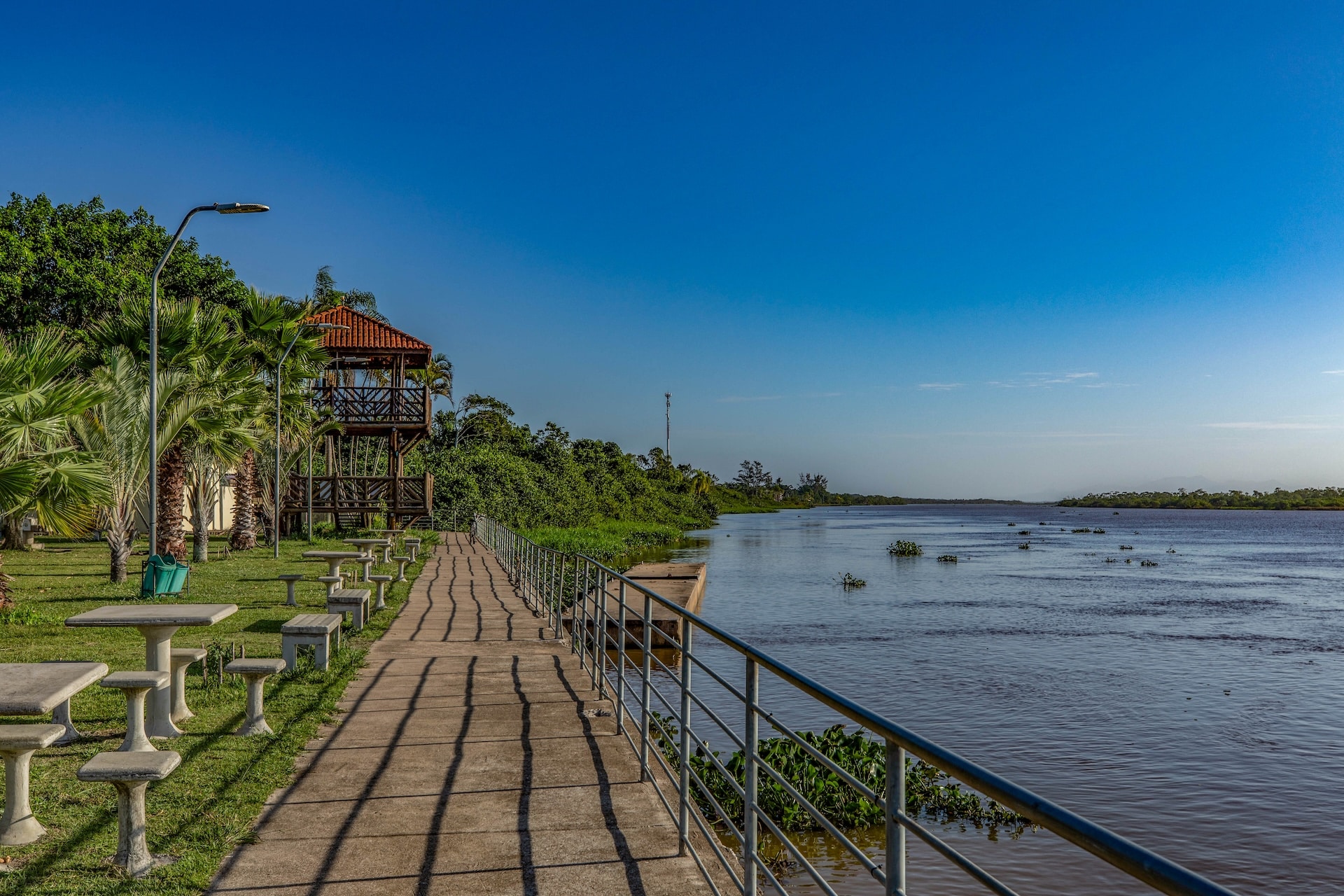
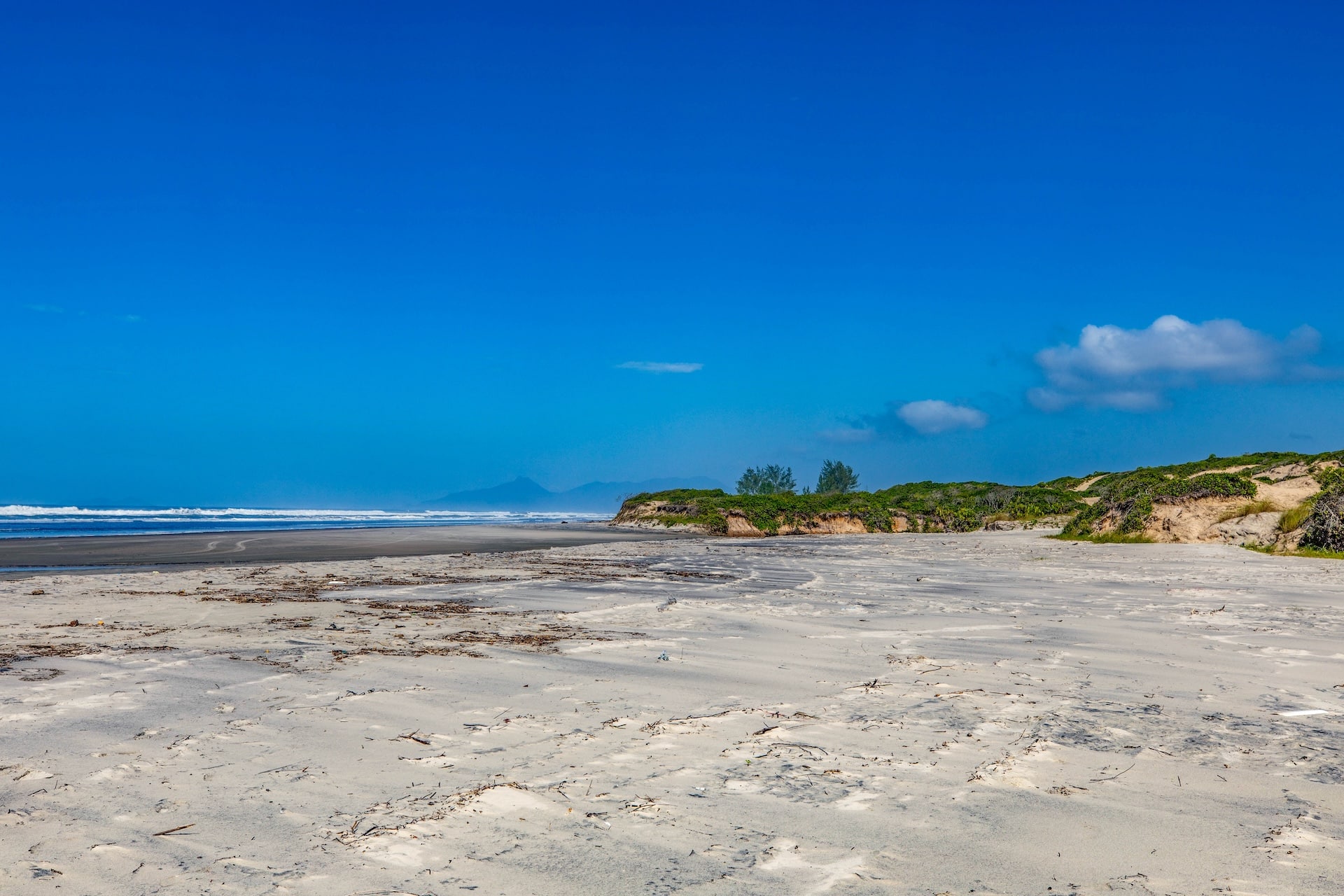
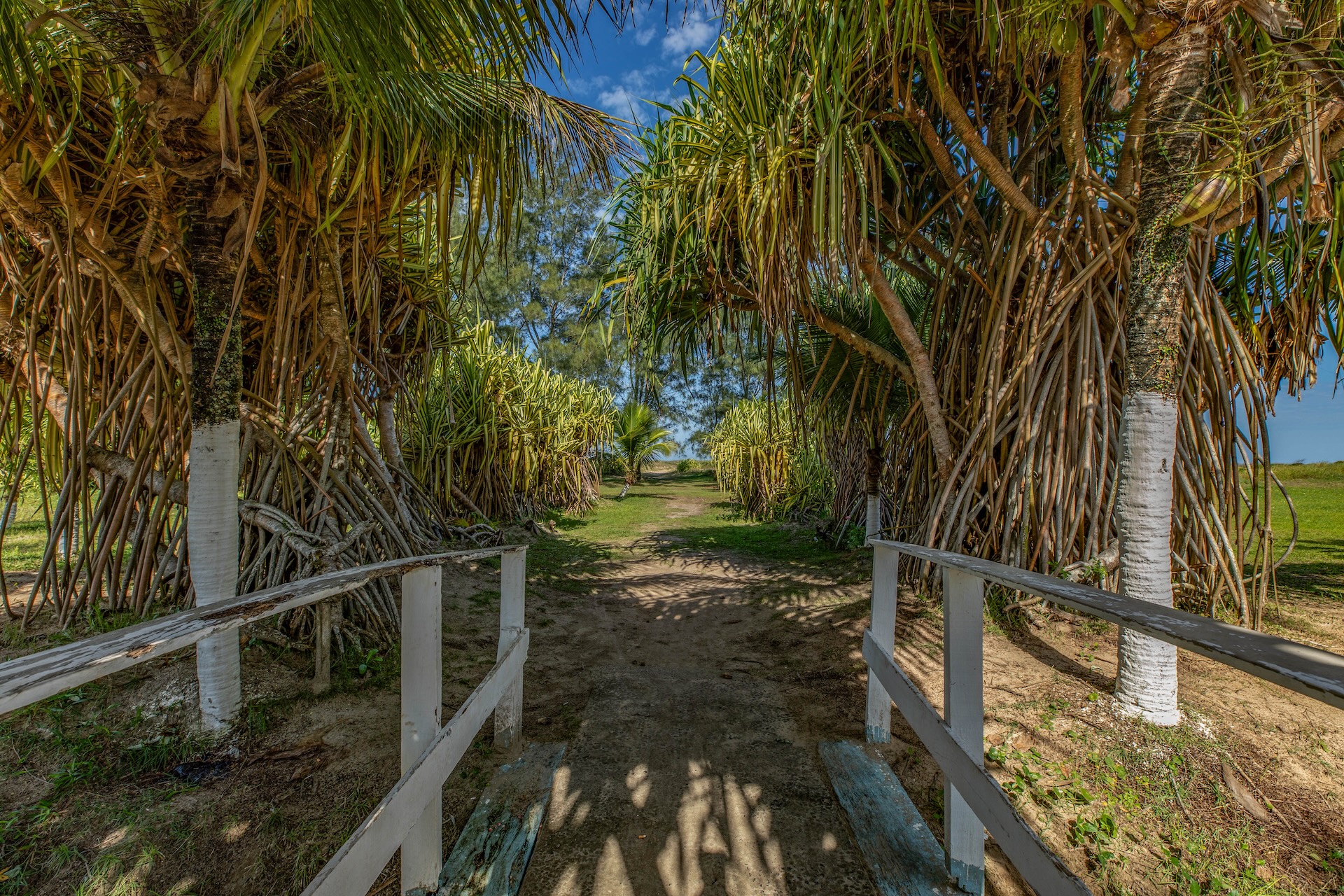
Along São Paulo’s southern coast, Ilha Comprida stretches for nearly seventy-four kilometers between the Atlantic Ocean and a maze of channels, tidal creeks, and mangroves. Wide beaches, rolling dunes, coastal scrub, and preserved Atlantic Forest lend the island an expansive, largely undeveloped landscape, creating sweeping horizons with a very sparse human footprint. For much of the 20th century, Ilha Comprida belonged to the neighboring municipalities of Iguape and Cananeia, becoming an independent municipality only in 1992.
Long before the arrival of the Portuguese colonizers, the Indigenous peoples of the region relied on rivers and natural channels for travel, fishing, and settlement. With the arrival of the Portuguese in the 16th century, these same waterways became part of the expanding maritime routes linking settlements along Brazil’s southern coast. Among the earliest Europeans associated with the region was Cosme Fernandes Pessoa, better known as Bacharel de Cananeia. In 1531, Martim Afonso de Sousa’s expedition sailed through these waters, recognizing the island’s strategic importance for coastal navigation.
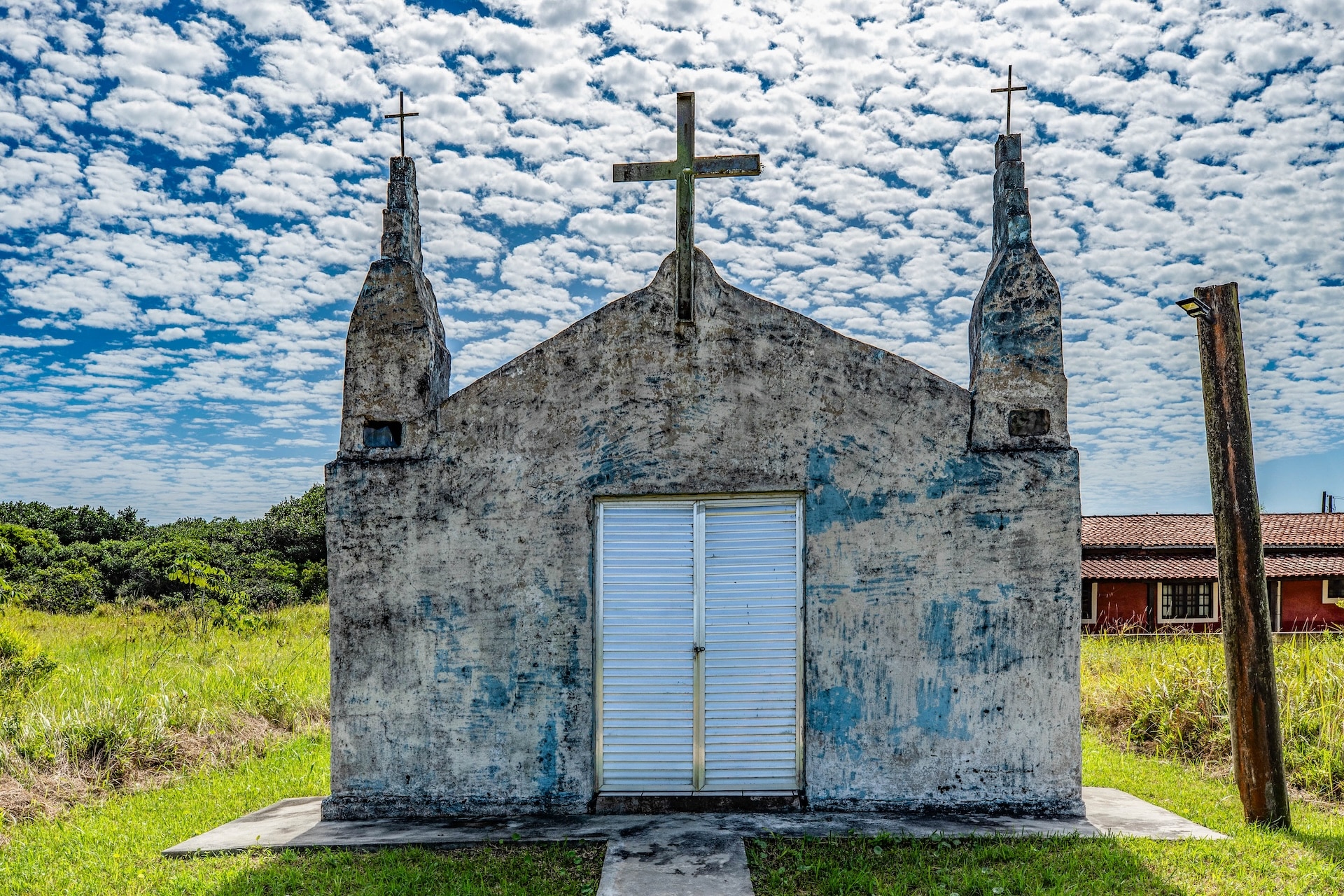
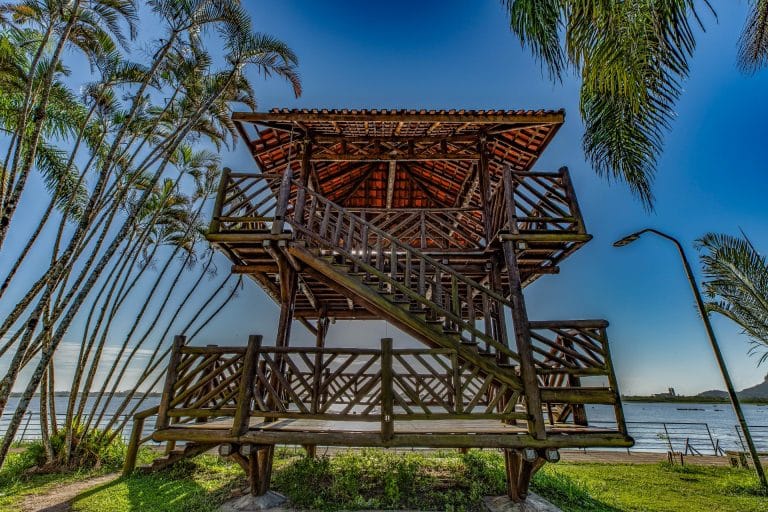
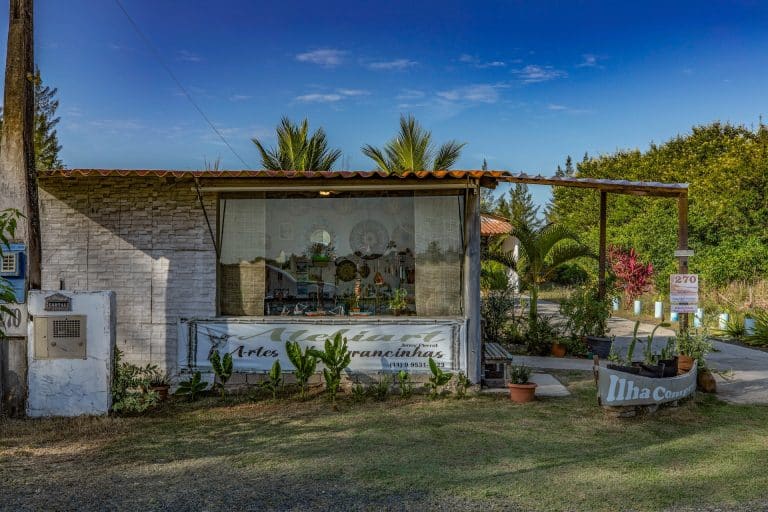
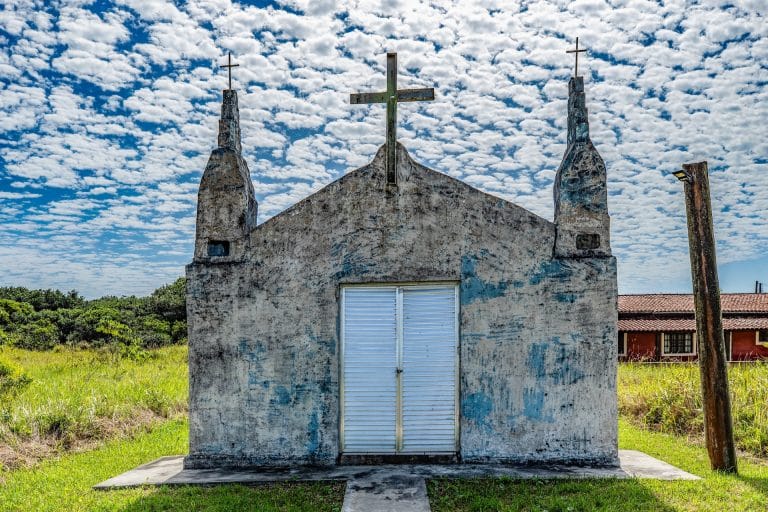
Geographic isolation, artisanal fishing, and traditional communities have shaped life on Ilha Comprida for centuries. Despite the growth of tourism throughout the 20th century, much of Ilha Comprida has remained untouched, with vast natural areas and only sparse development lending the island a quiet, unspoiled character.
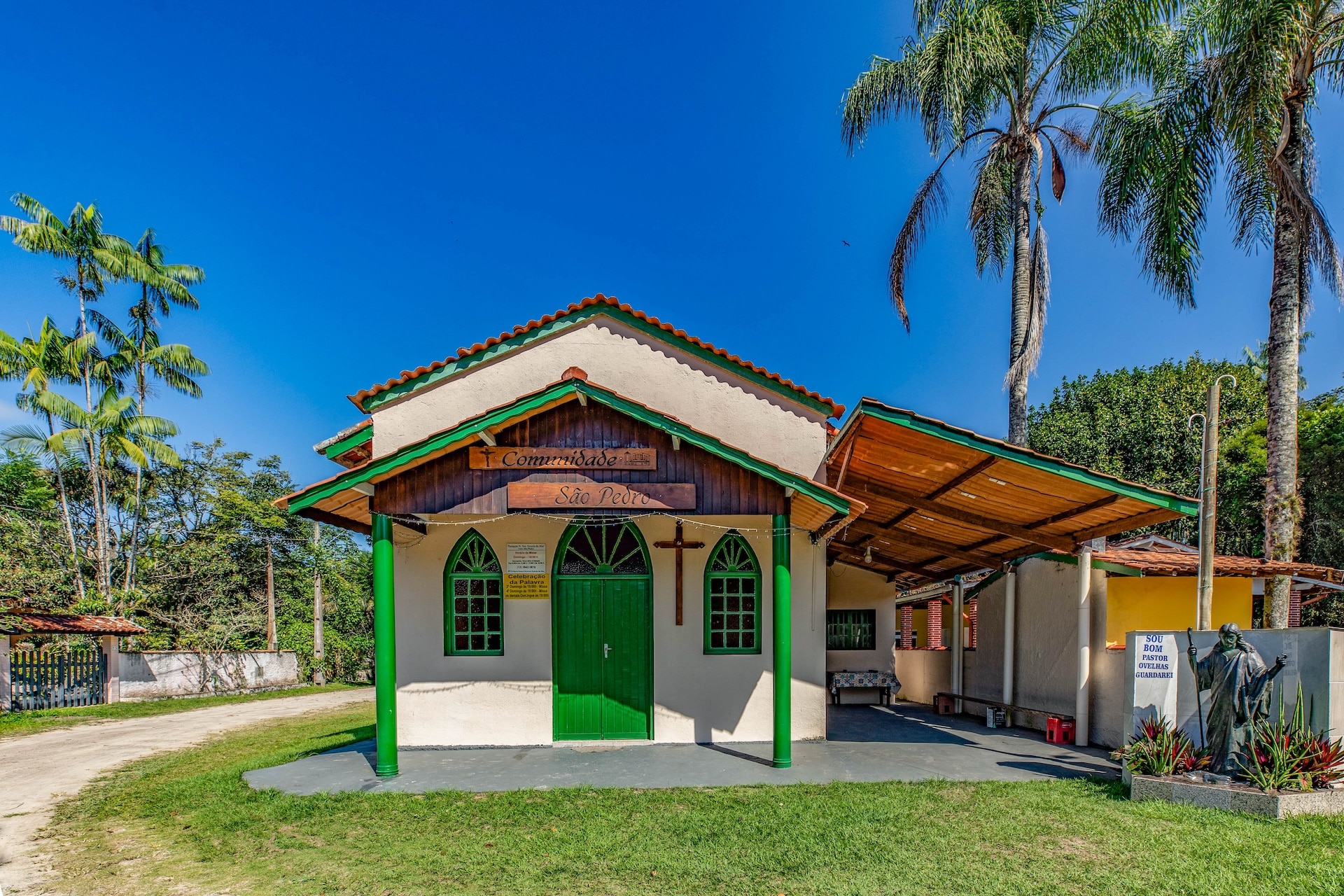
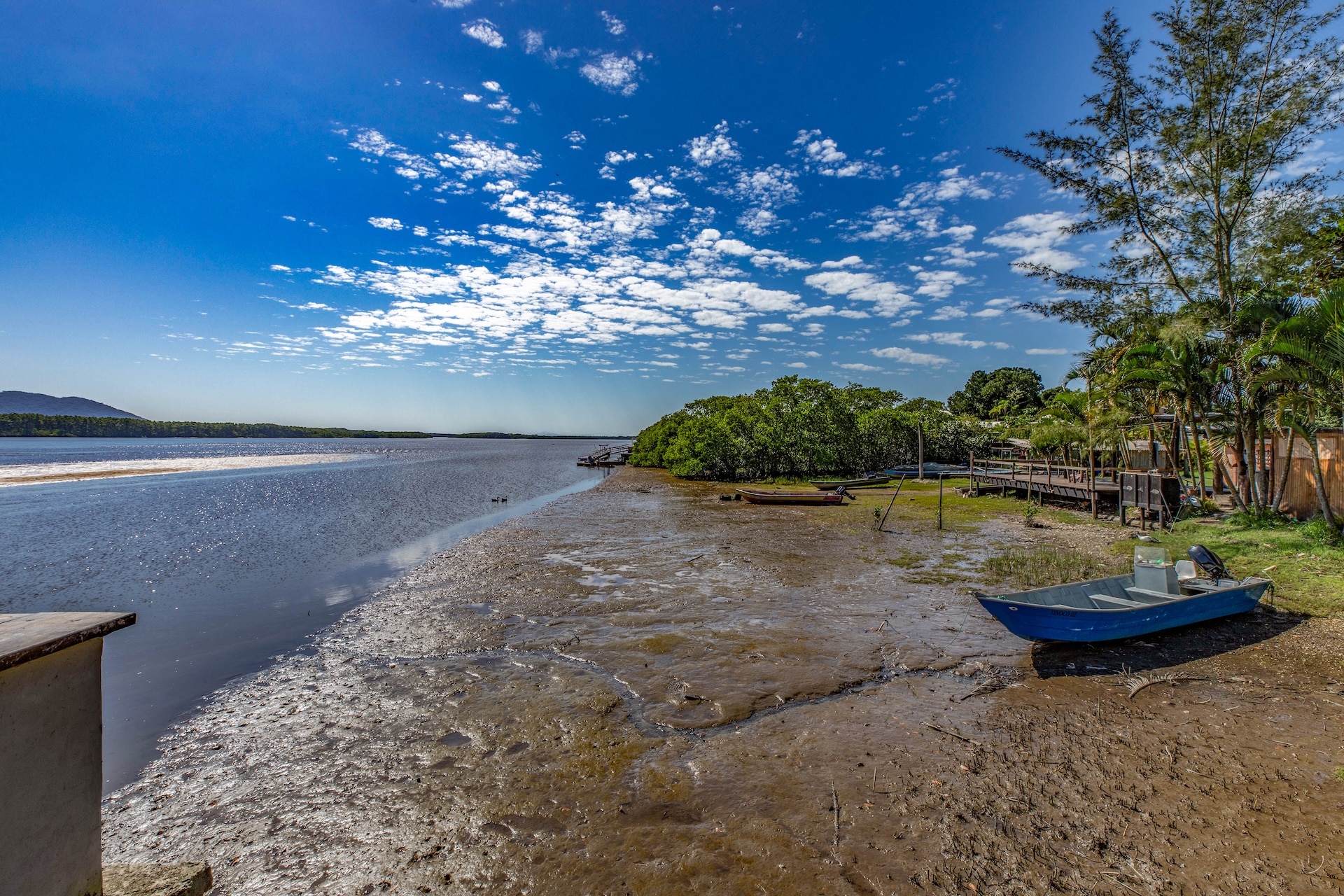
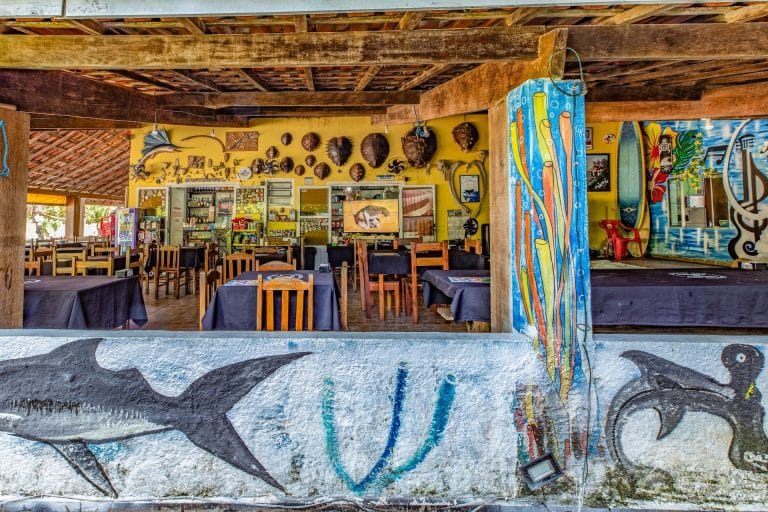
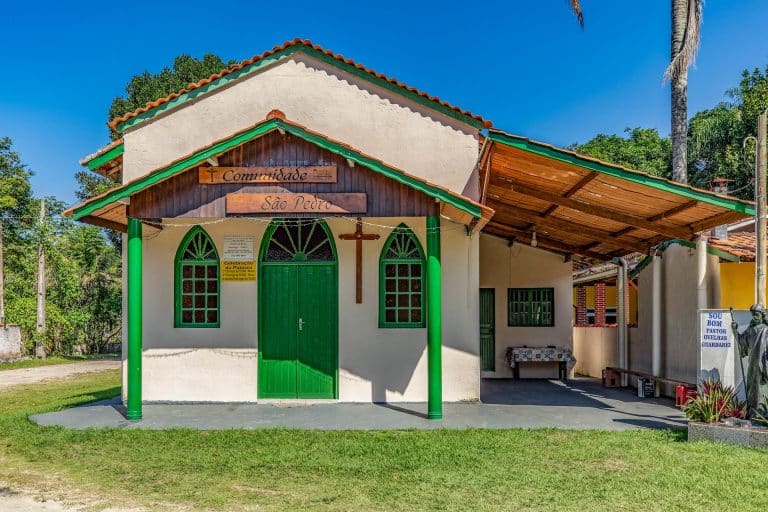
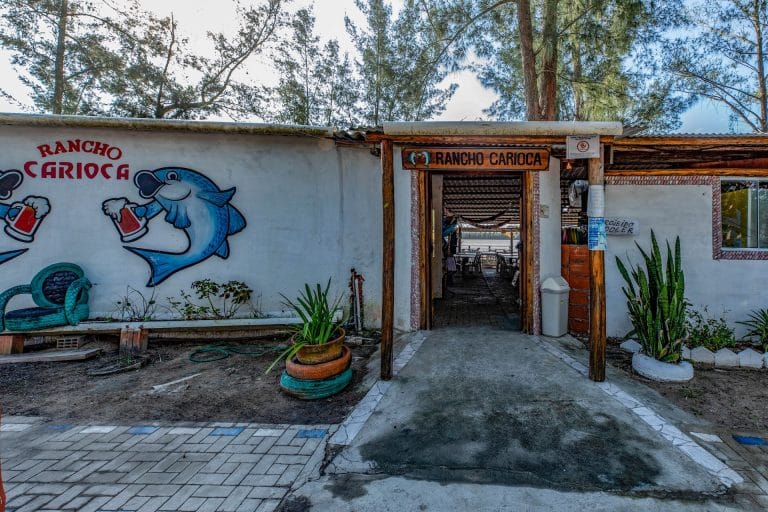
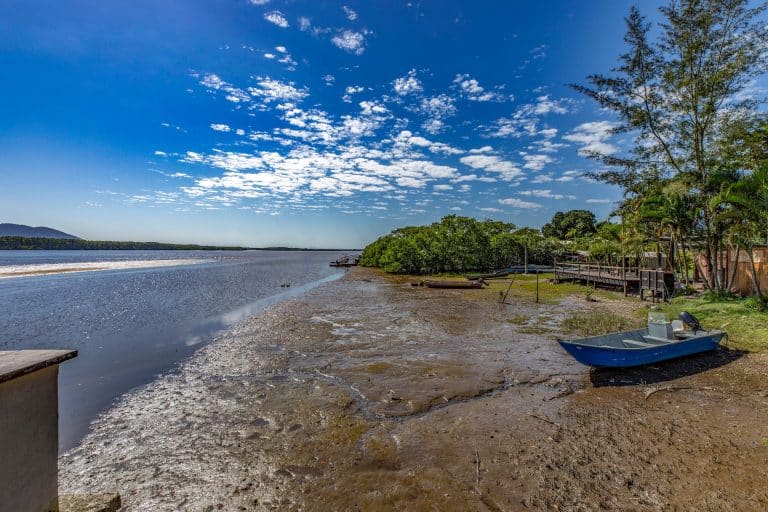
Along the shores of the Mar Pequeno estuary, life in Vila de Pedrinhas still revolves around the water. Fishing boats line the shore, wooden piers reach into the estuary, and modest homes sit at the water’s edge. The village is also home to the Café Caiçara, where local women prepare traditional recipes using regional ingredients and culinary traditions passed down from one generation to the next. Together, the food, the setting, and the traditions offer an authentic expression of the community’s cultural identity.
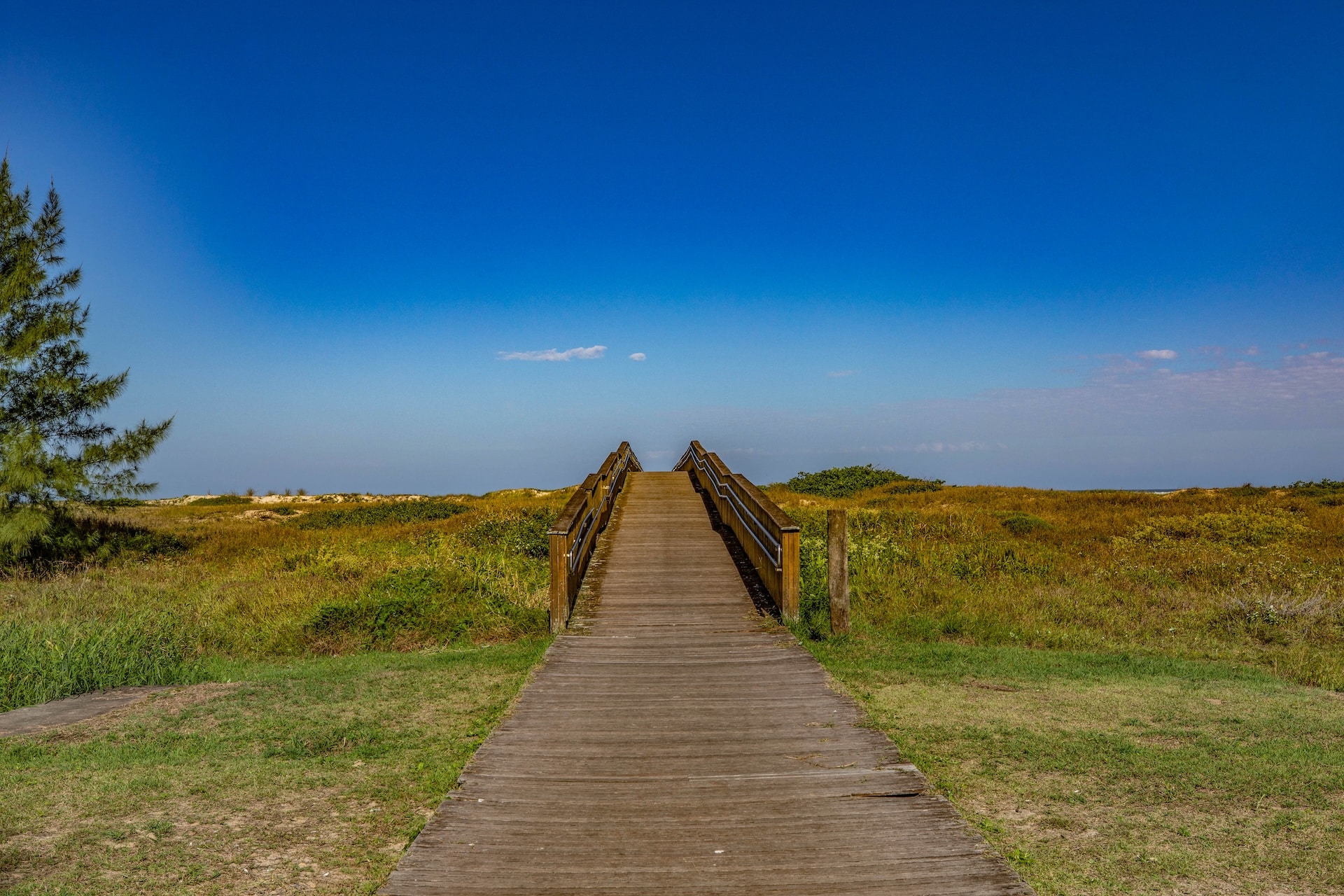
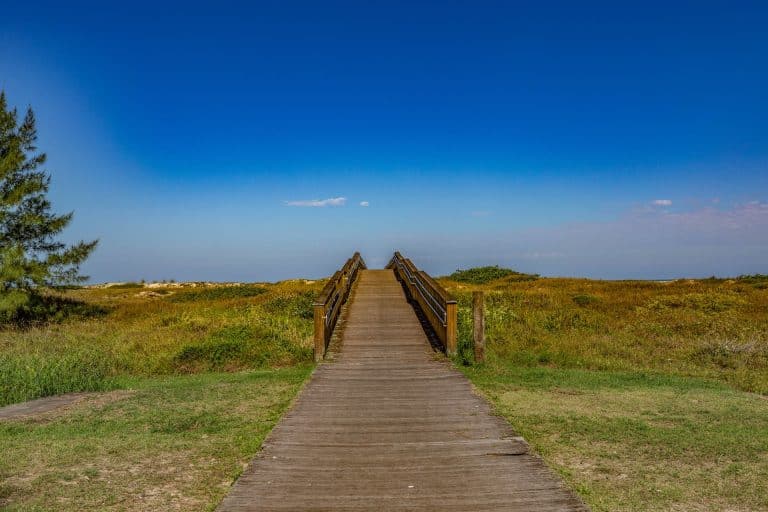
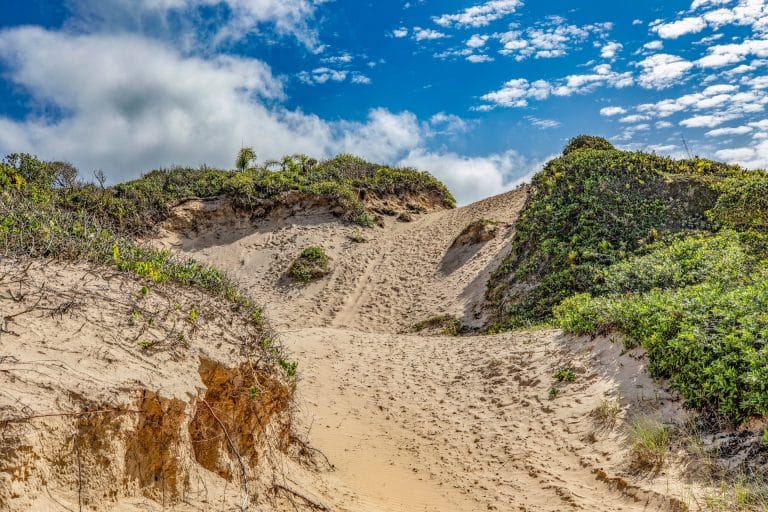
The Juruvaúva Dunes offer a striking change of scenery. Held in place by native vegetation, the dunes sweep across a landscape of coastal scrub, rivers, and the Atlantic Ocean, forming one of the largest dune systems on the São Paulo coast. With few signs of human intervention, the setting feels vast, isolated, and remarkably cinematic.
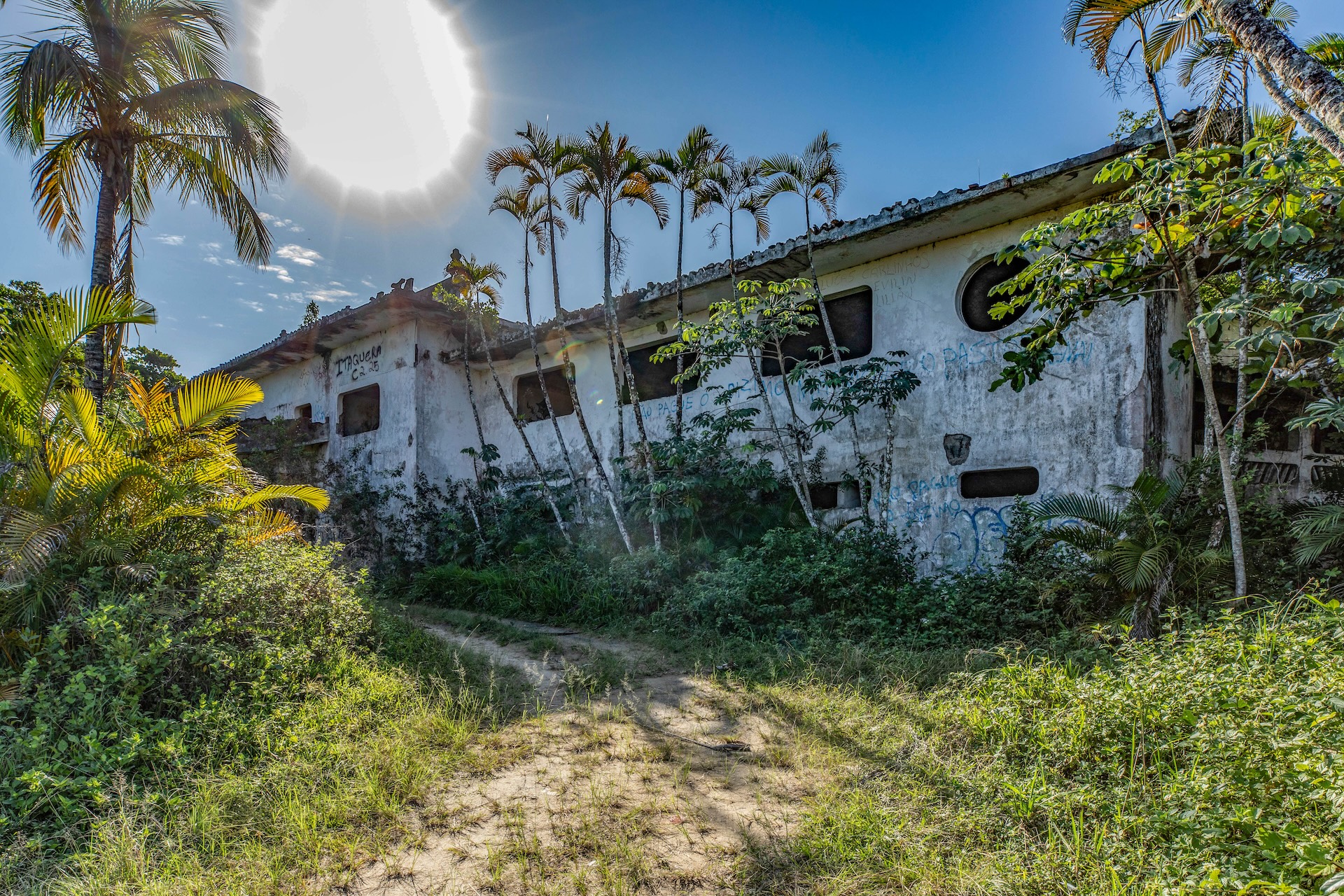
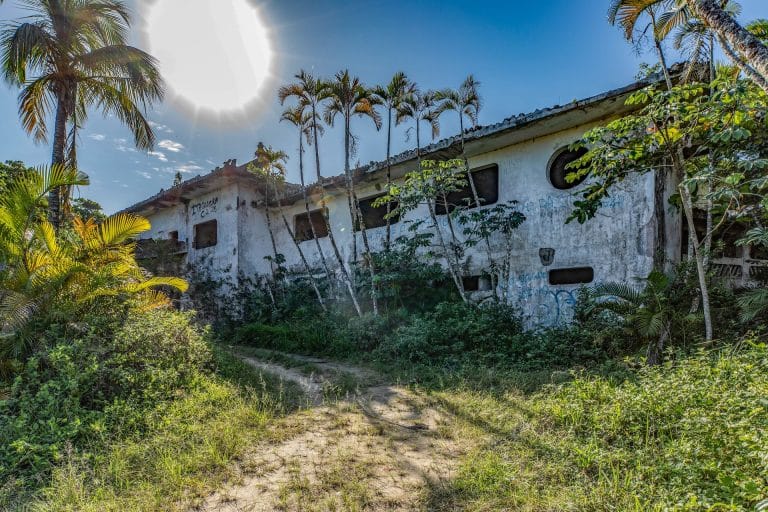
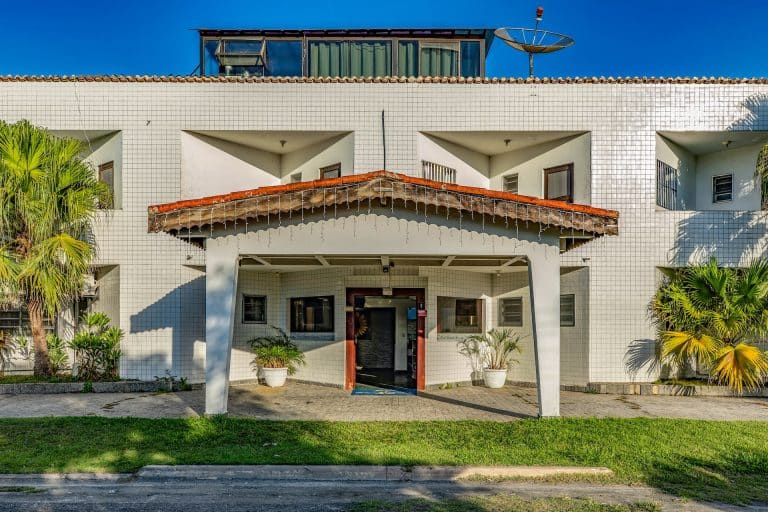
The abandoned Hotel Maré Alta tells a quite different story. Opened in 1989 as one of the region’s leading hotels, it now stands empty, its silent corridors, exposed concrete, and weathered interiors creating a striking contrast with the surrounding coastline. The result is a setting that lends itself naturally to stories of suspense, mystery, and memory.
Few places along the São Paulo coast offer such a wide variety of landscapes within a single destination. Beaches, channels, dunes, and villages steeped in tradition provide a rich visual palette, while the island’s sweeping, natural spaces and easy accessibility make it equally suited to intimate productions and large-scale filmmaking.
Nearest international airport: Guarulhos (GRU)
Distance to nearest airport: 239 km
Distance to São Paulo: 204 km