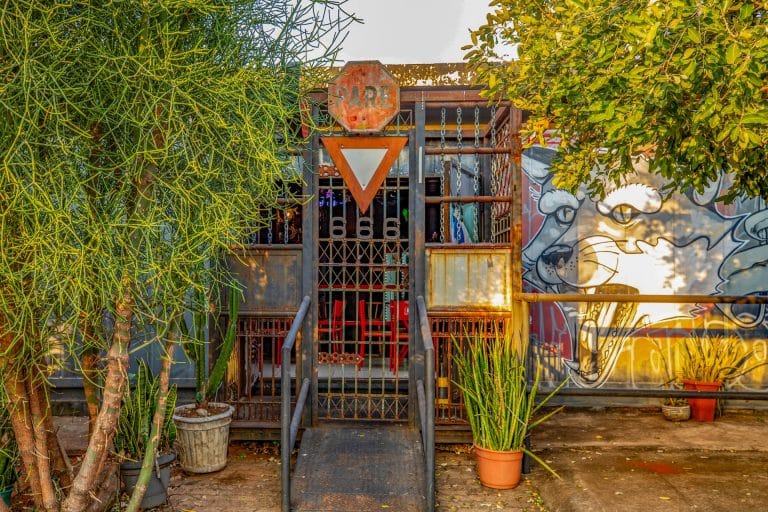
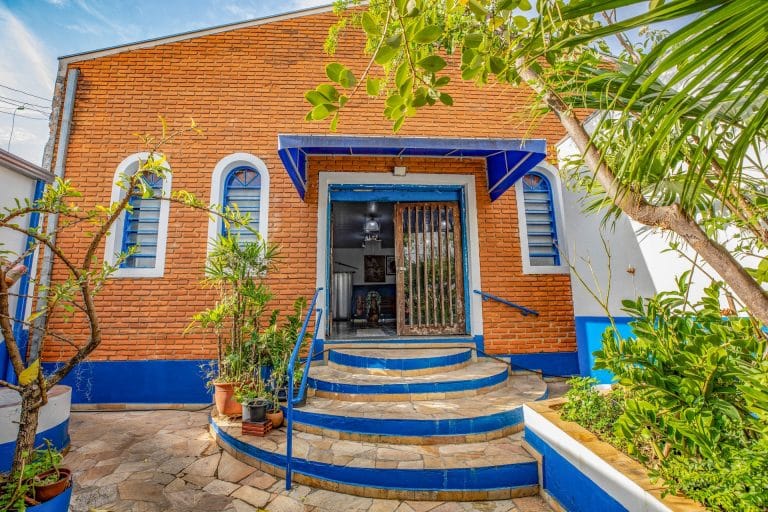
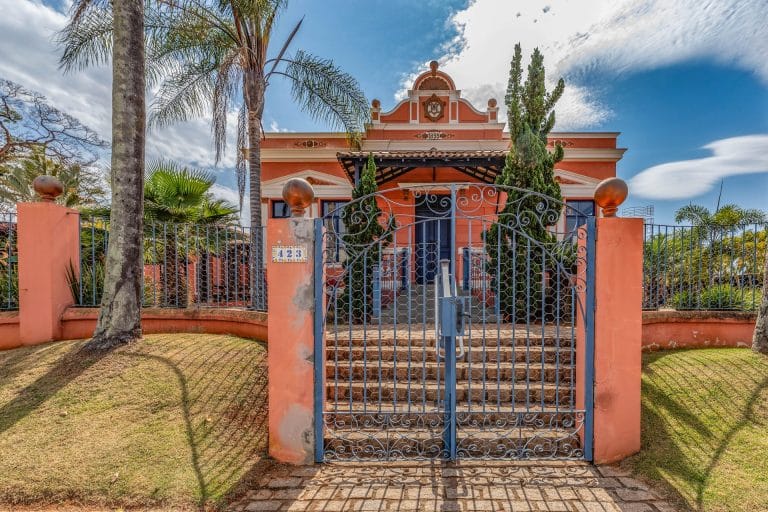
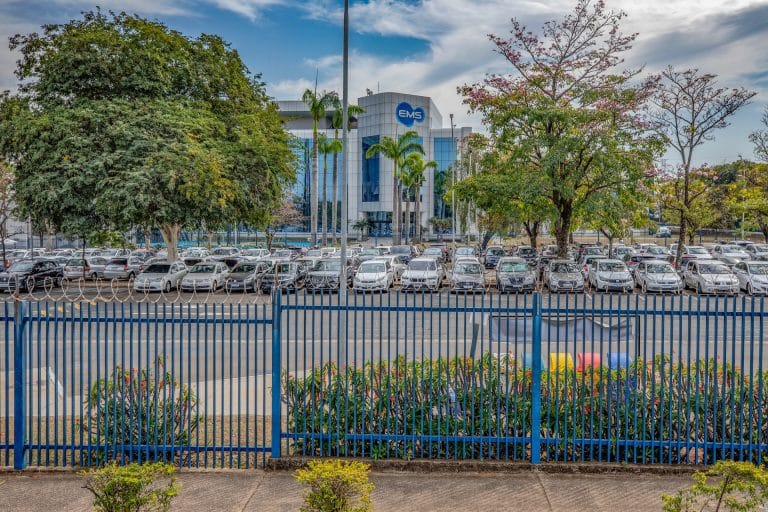
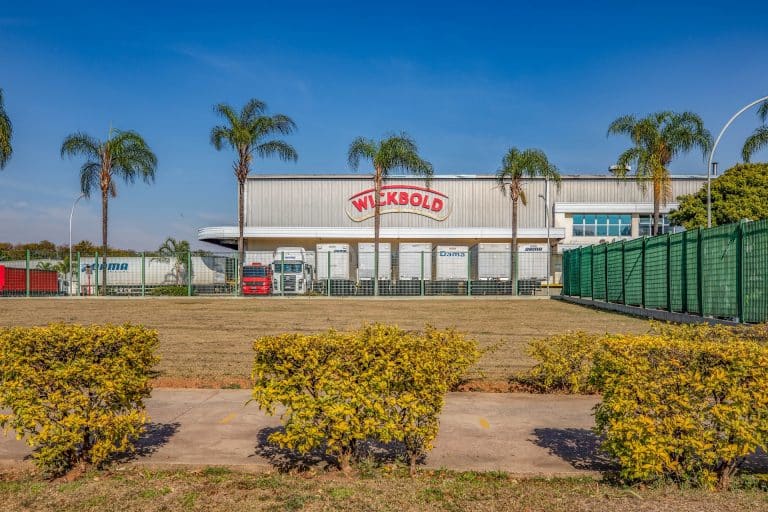
Originally named Jacuba [Tupi-Guarani for “warm water”], the area that would become Hortolândia developed around coffee and sugarcane cultivation, serving as a key stopover for tropeiros [muleteers] and traders transporting goods across the state of São Paulo. The name “Jacuba” also came to designate a hearty traditional Brazilian dish—prepared with manioc flour, hot water, honey, cachaça, or sugar—eaten by these traders and travelers. Today, the city’s industrialization makes it a dynamic and welcoming location for film productions.
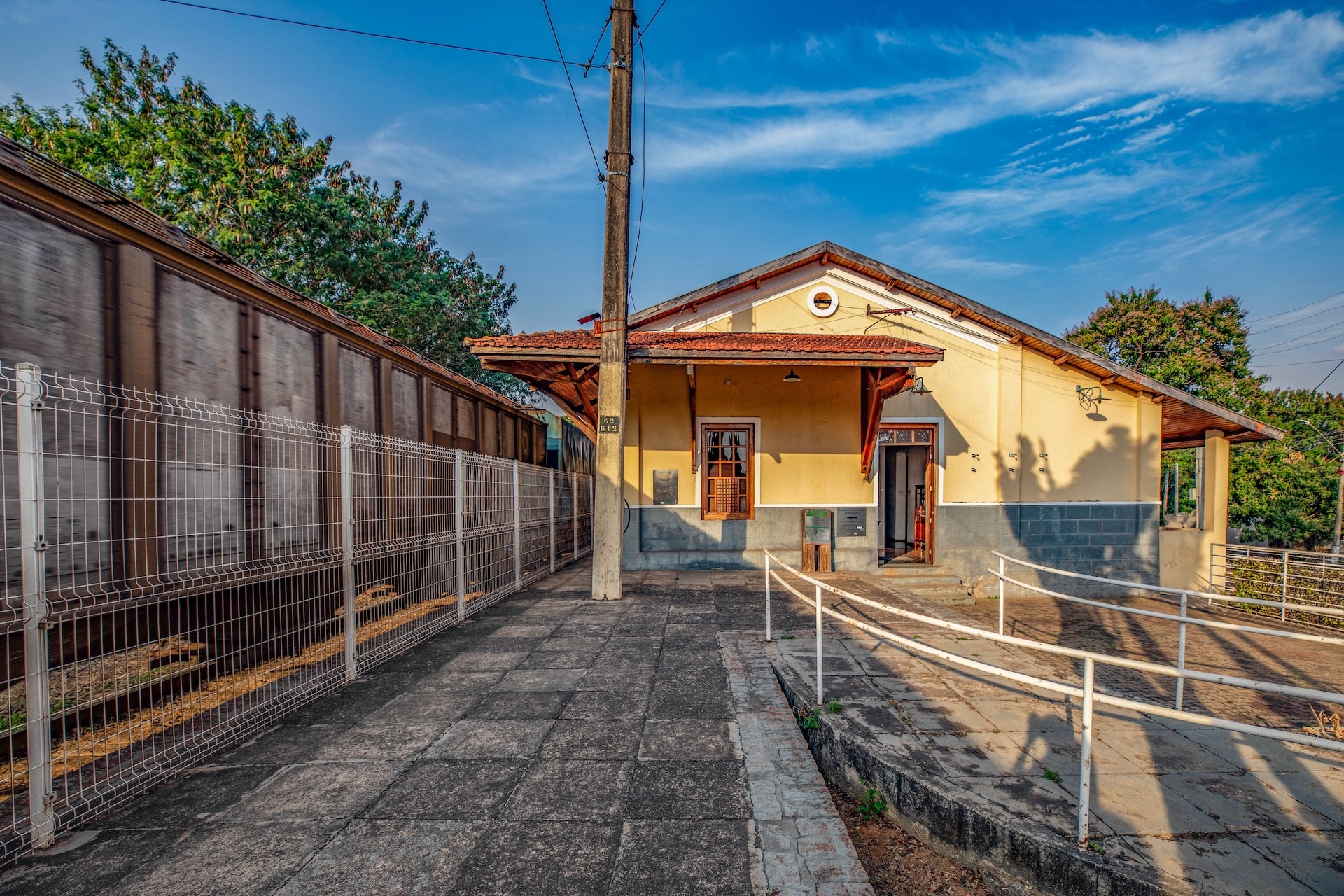
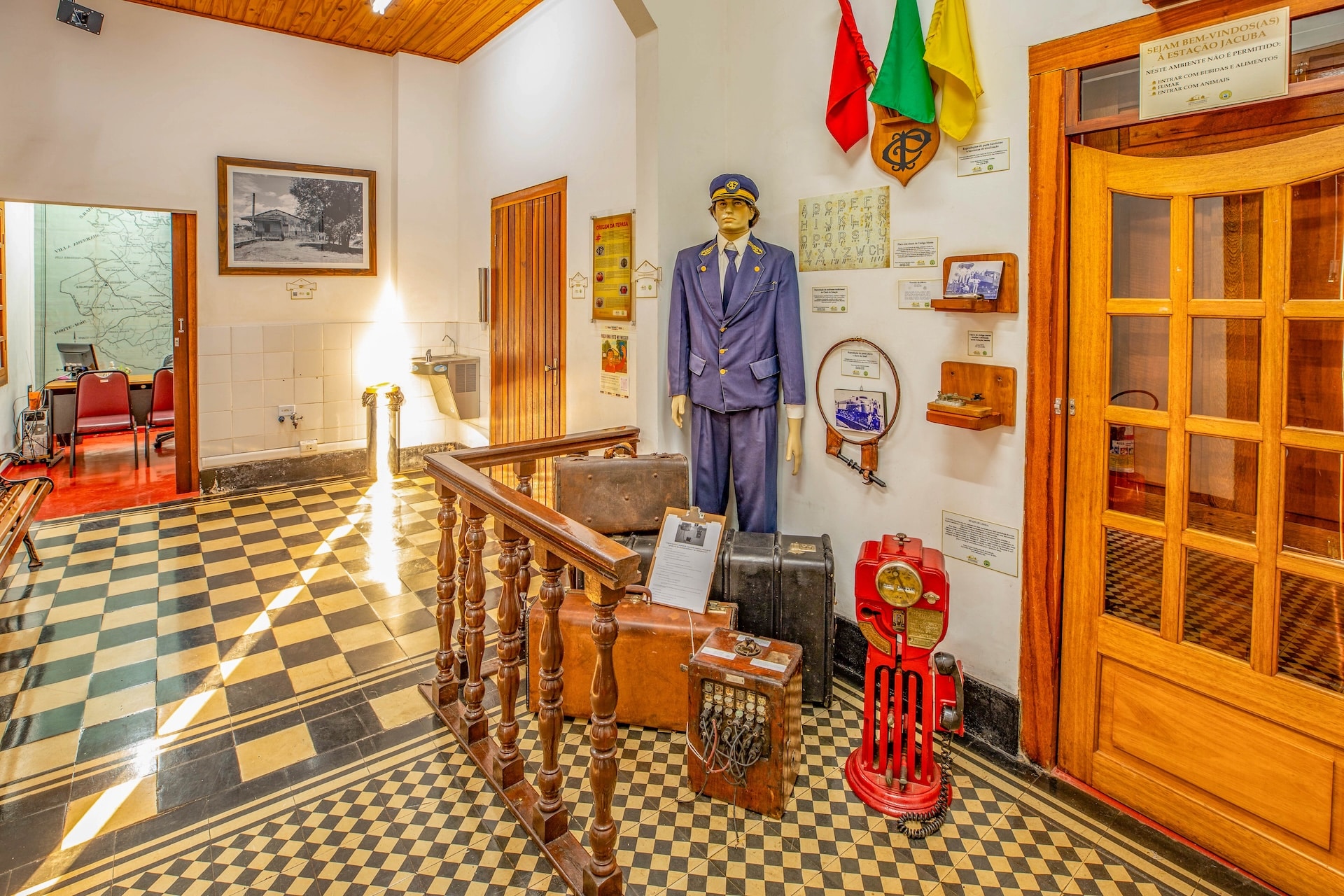
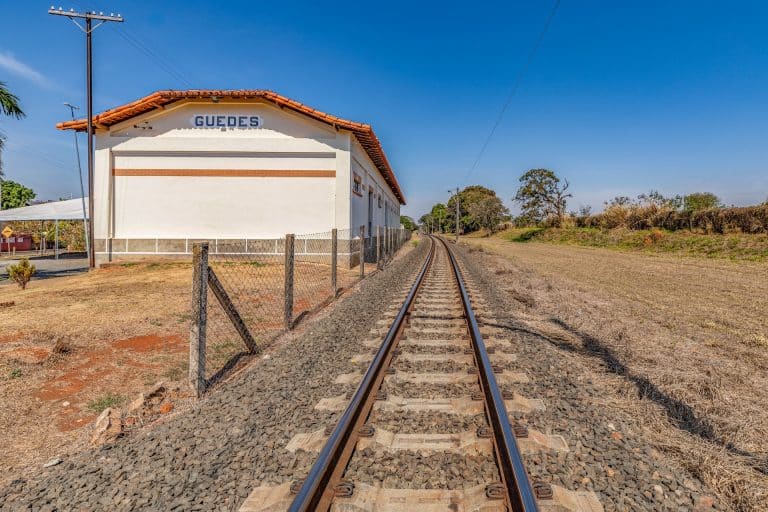
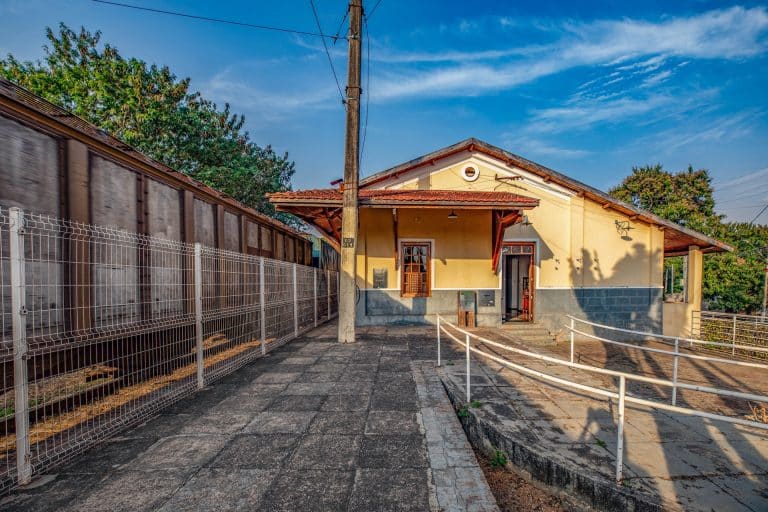
Hortolândia’s real transformation began in 1868 with the arrival of the Companhia Paulista de Estradas de Ferro, a railway company. The new railway lines shortened distances, spurred economic growth, and attracted a flood of workers, merchants, and immigrants. The old station building remains a symbol of this progress. Its original structure is still intact, complete with faded yellow walls, wooden window frames, and checkered tiles. The railway tracks still follow their original route, a lasting symbol of the progress that shaped the city.
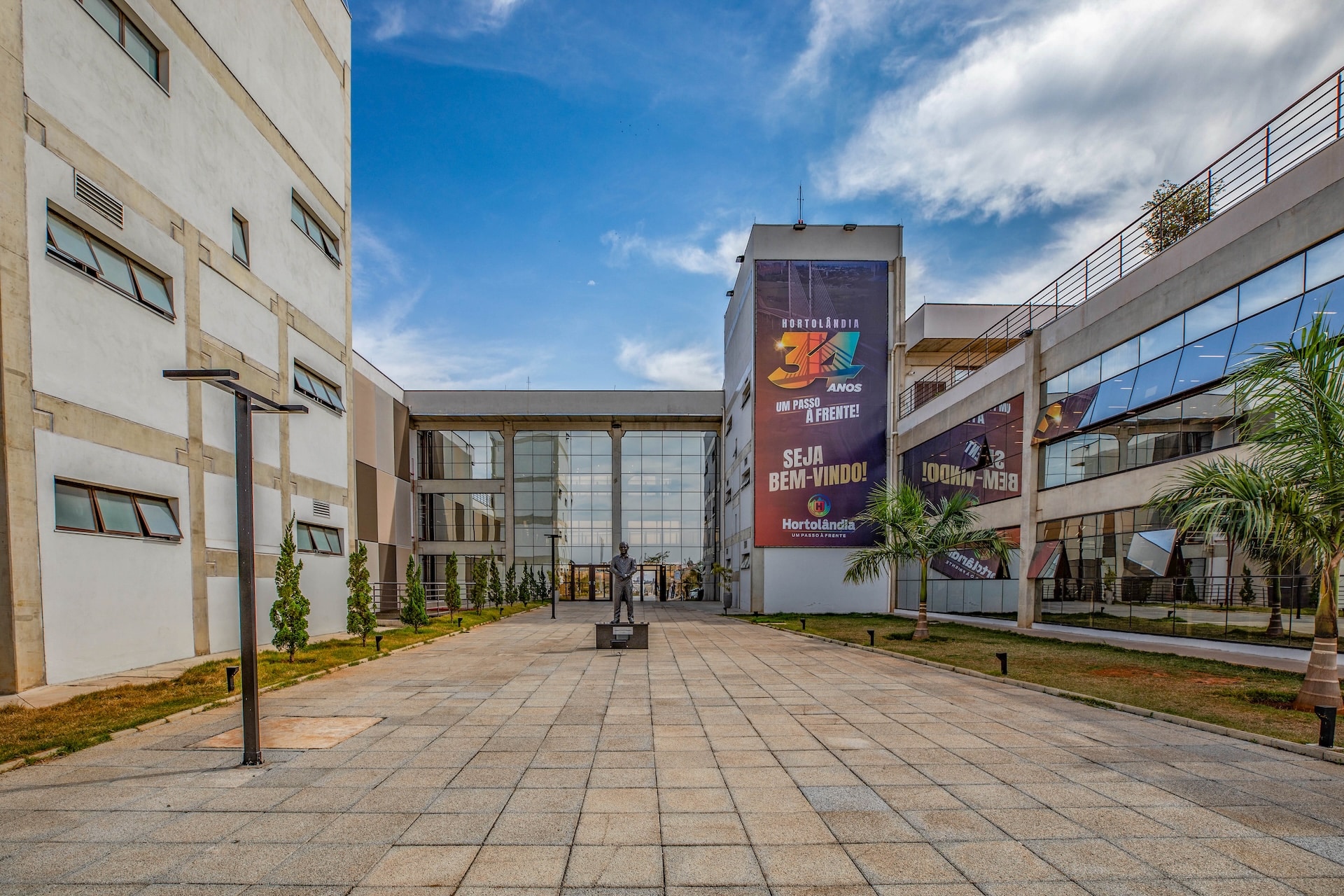
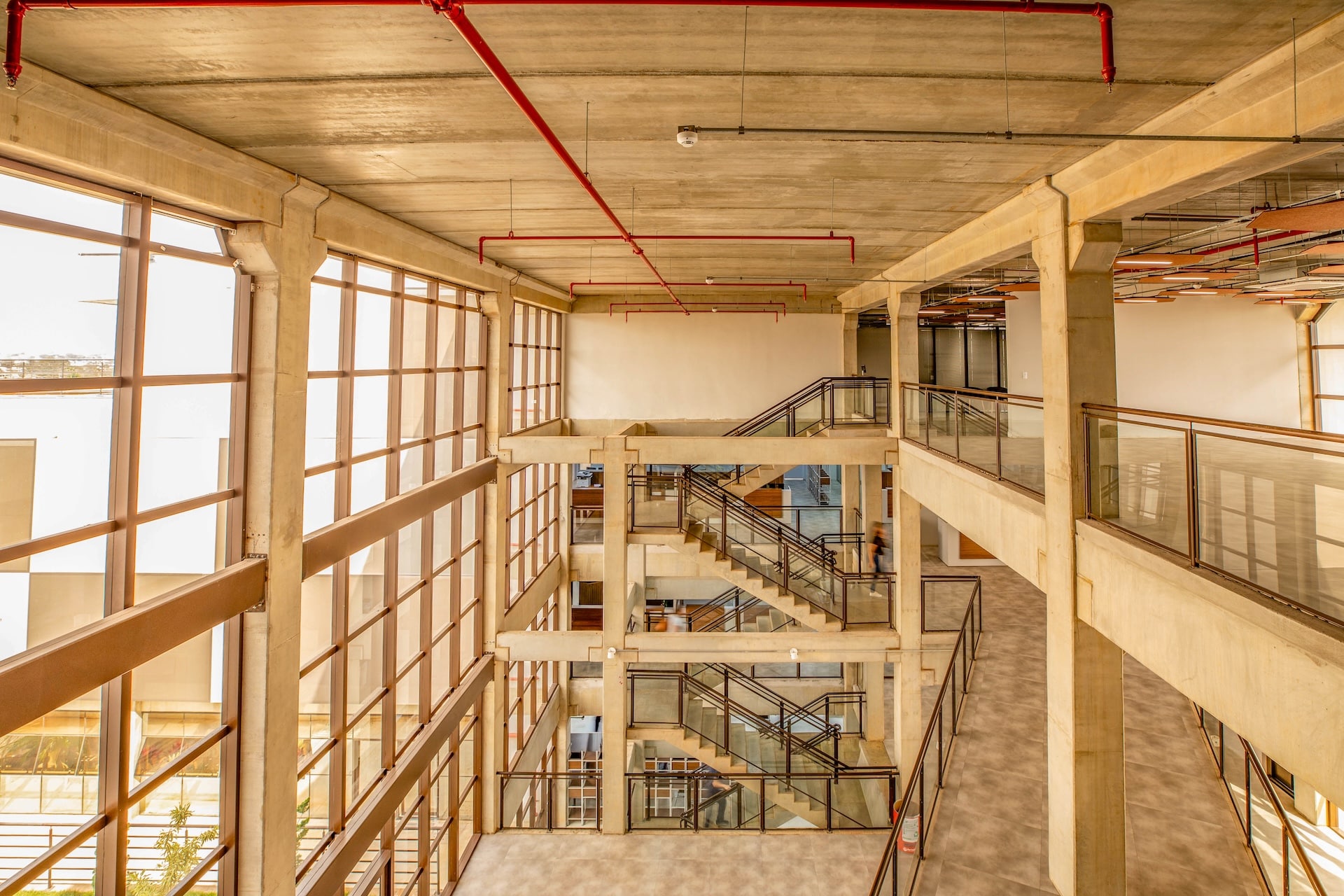
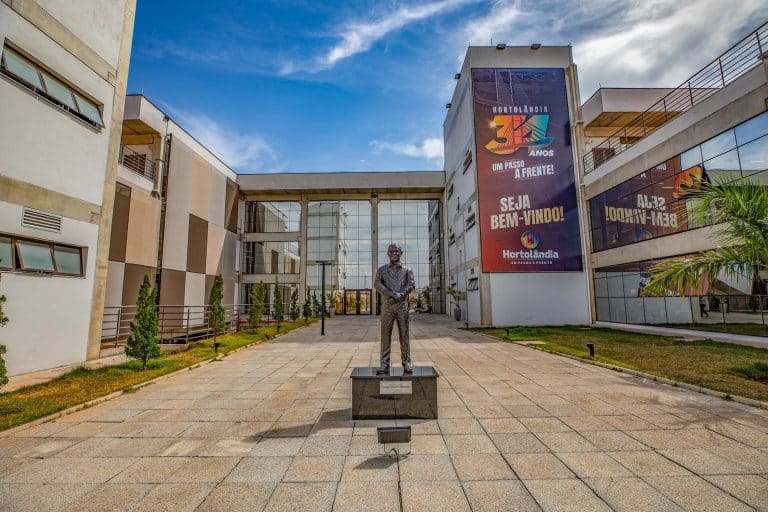
The Paço Municipal Ângelo Augusto Perugini town hall stands as a key reference for municipal urban planning and was designed in the shape of the letter H, in a direct allusion to the city’s name. With four interconnected wings and both indoor and outdoor areas, the building’s modern, exposed-concrete structure and open staircases offer excellent settings for audiovisual productions.
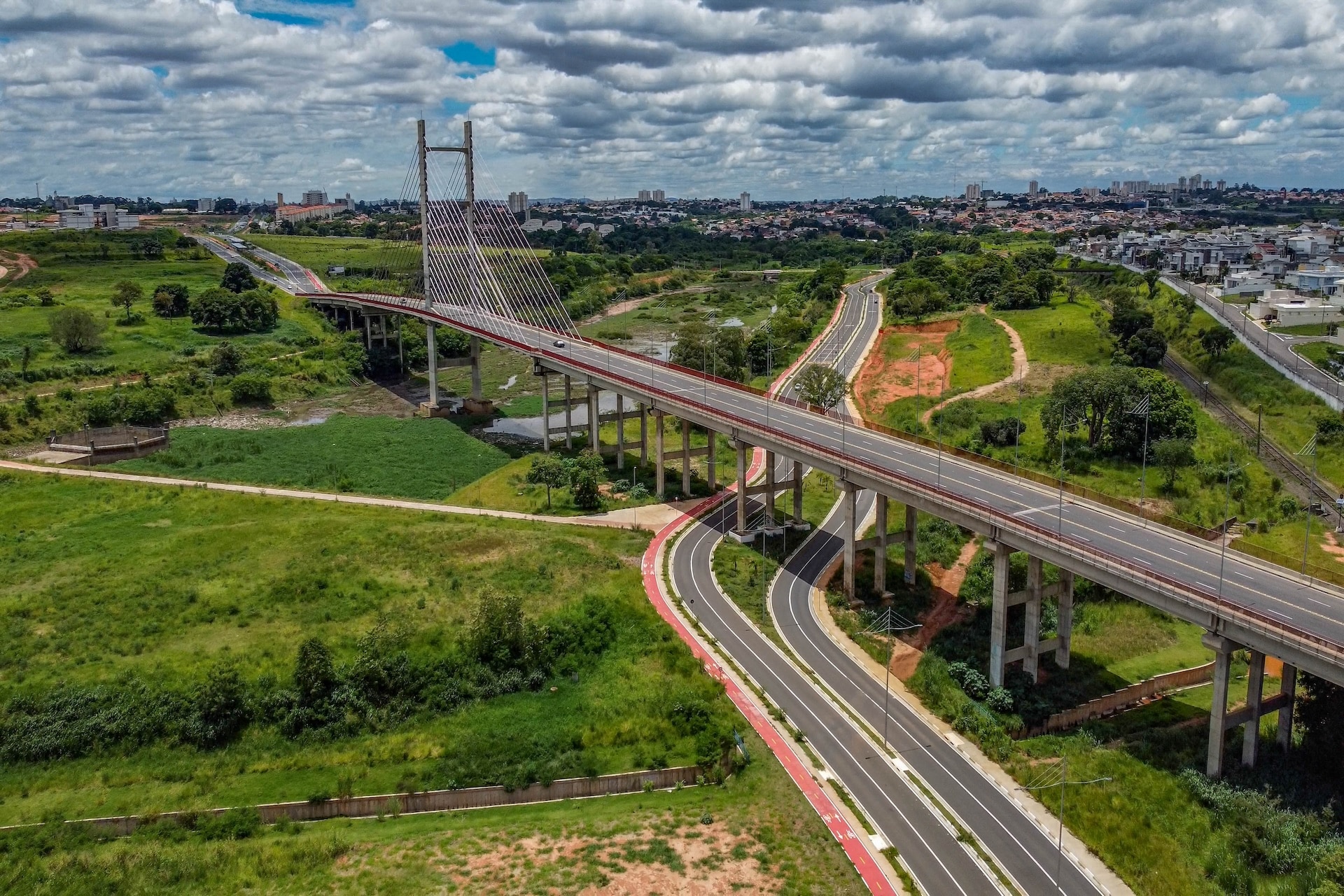
Another symbol of the city’s modernization, the Ponte Estaiada is a cable-stayed bridge that spans seven hundred meters and is sixteen meters wide. Its stunning design, supported by a triangular arrangement of steel cables, not only connects neighborhoods and streamlines mobility between filming locations but also provides a stunning visual as it rises above the surrounding greenery.
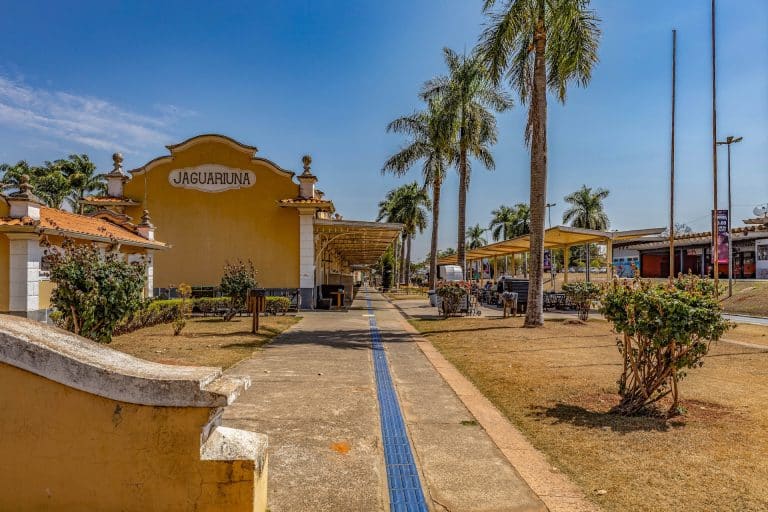
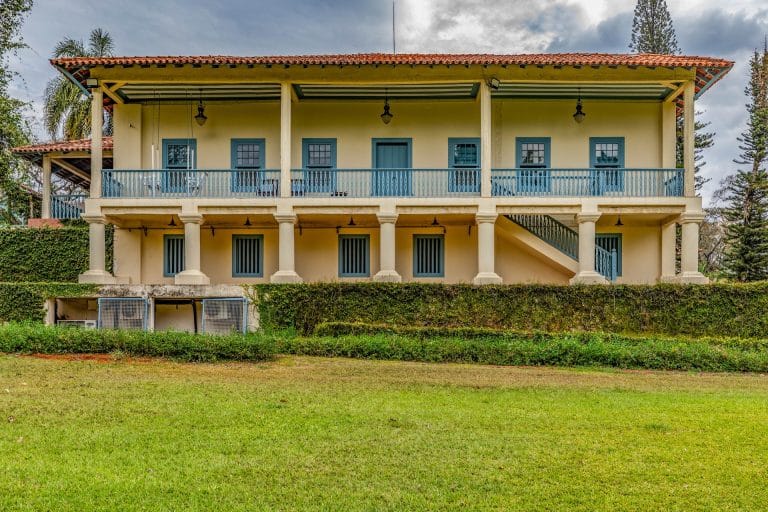
Only a short forty-seven-kilometer drive away, Jaguariúna offers a wide range of filming possibilities. Founded in 1953, the city was established on the former farmlands of Colonel Amâncio Bueno, who played a key role in its founding. Among its historical landmarks is the Vila Bueno Residence, a 19th-century building featuring a striking white-and-mustard façade, high ceilings, ornamented doors and windows, and a decorative parapet. The gorgeous pool at the rear of the building reflects its vine-covered walls and blue-framed windows.
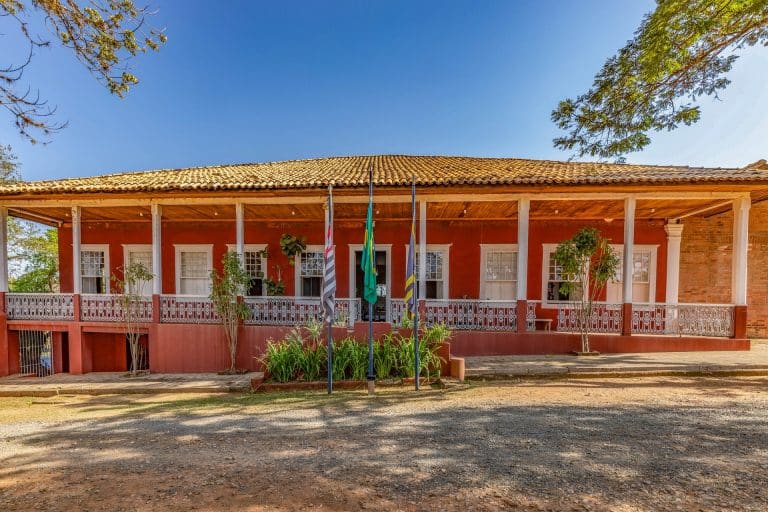
At the Fazenda da Barra, battle “scars” from the 1932 Revolução Constitucionalista are still visible on the walls of one of its rooms. The property dates back to the coffee boom, was once home to Italian immigrants, and retains original features such as its rammed-earth structure, stone masonry, and wooden ceilings. An original stone-arched aqueduct, which once channeled water from the Camanducaia River to the estate’s mills and reservoirs, remains one of the landscape’s key features.
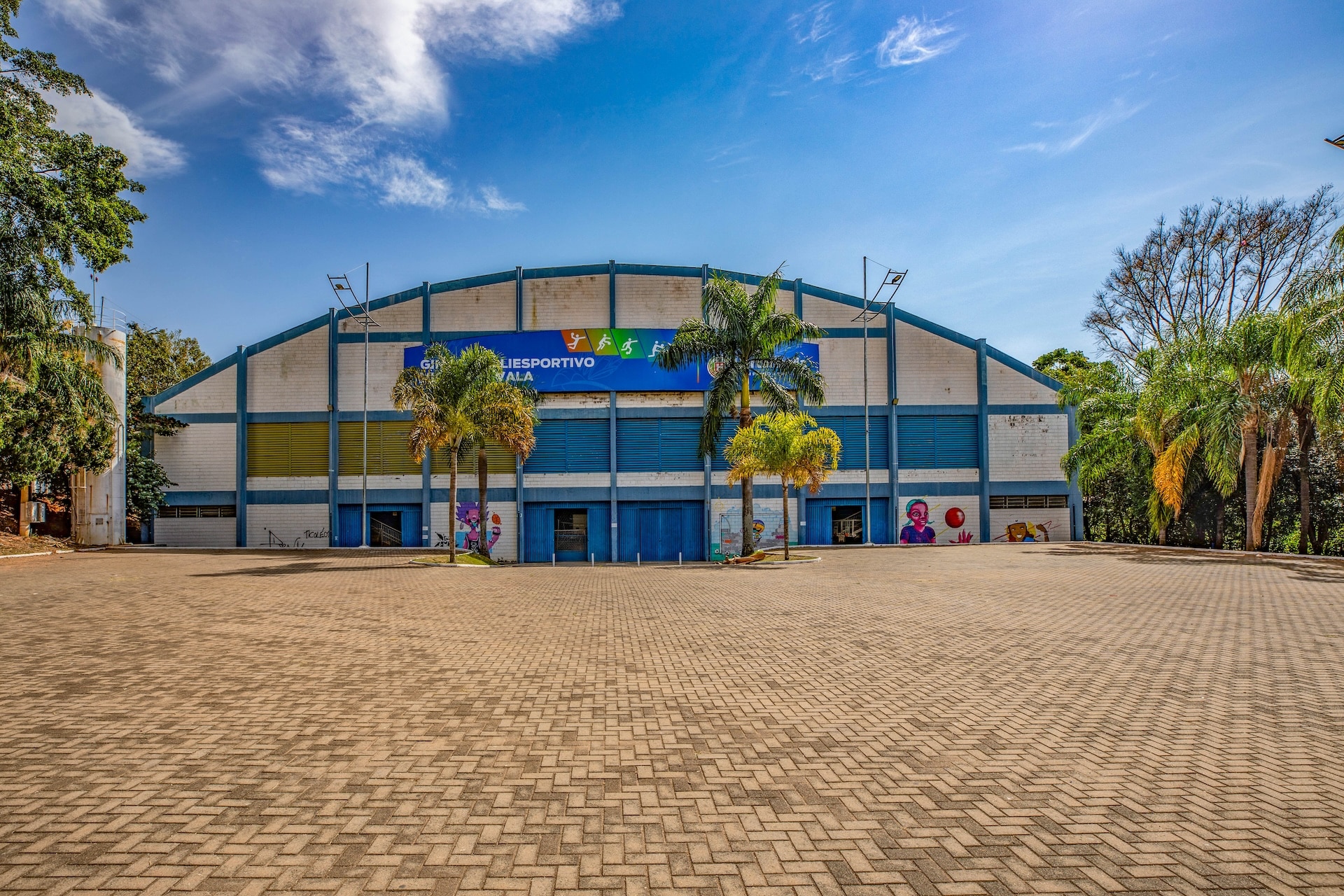
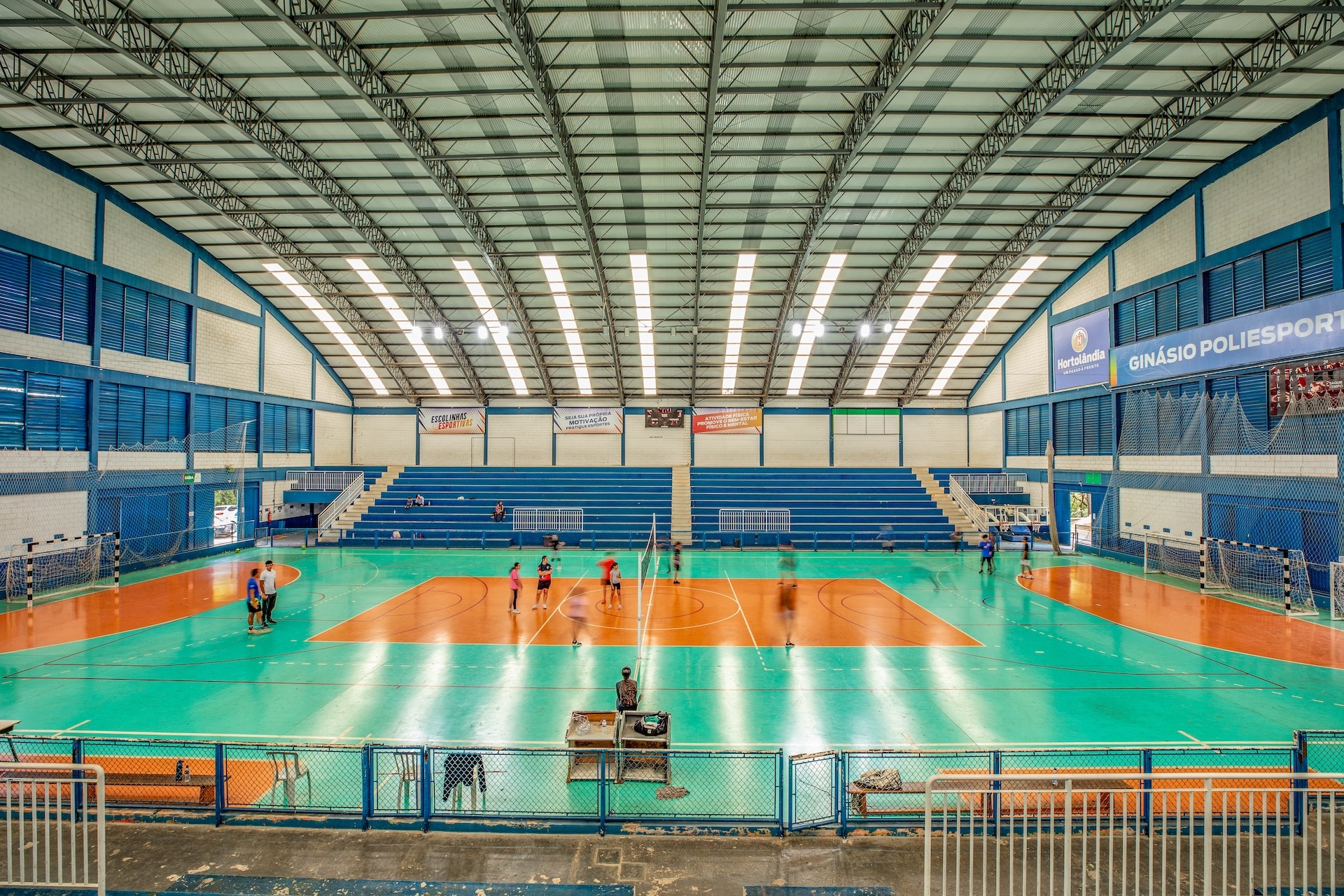
Hortolândia and its surrounding region offer a diverse range of landscapes and structures. This variety gives any production the freedom to tell compelling stories and bring scripts to life.