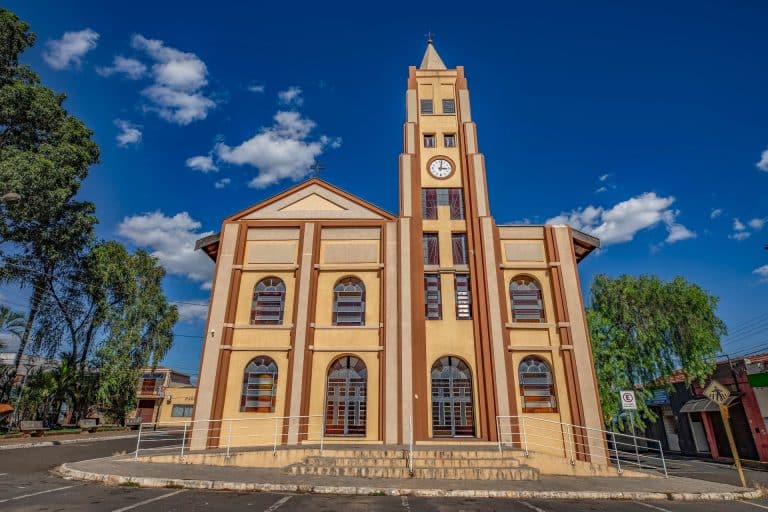
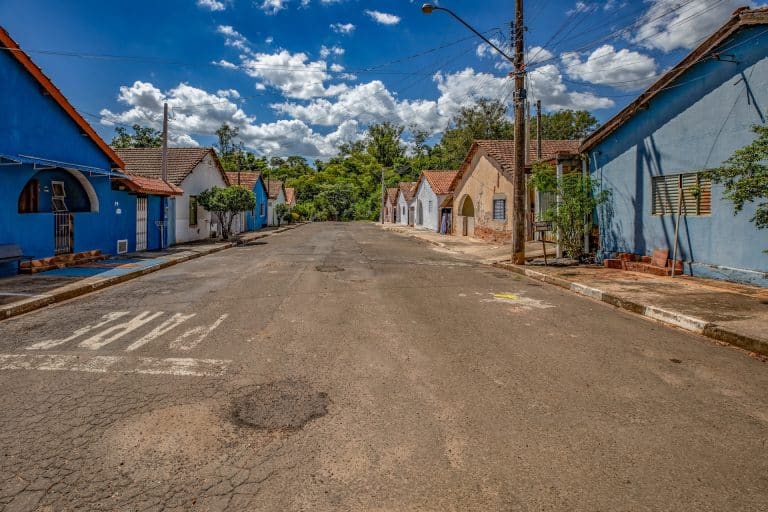
Charqueada was officially founded in 1953, but its origins go back to around 1859, when farms spread out between the Piracicaba and Corumbataí rivers, settled by local landowning families. German, Italian, and Swiss immigrants arrived soon after, taking up coffee and rice cultivation and laying the foundations of community life in the region.
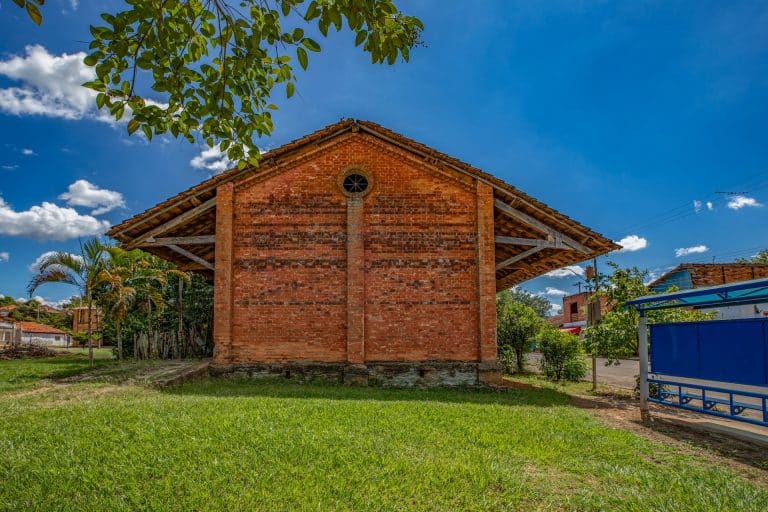
The arrival of the railway—first the Companhia Ituana de Estradas de Ferro, then the Estrada de Ferro Sorocabana, in 1888—set the area on a new course. Trains shortened distances, brought people together, and kept goods moving, and the station soon became a popular stopover and local meeting point. Nearby, Luiz Antônio de Souza Barros opened a warehouse and an inn, helping establish a small settlement that grew as the region developed.
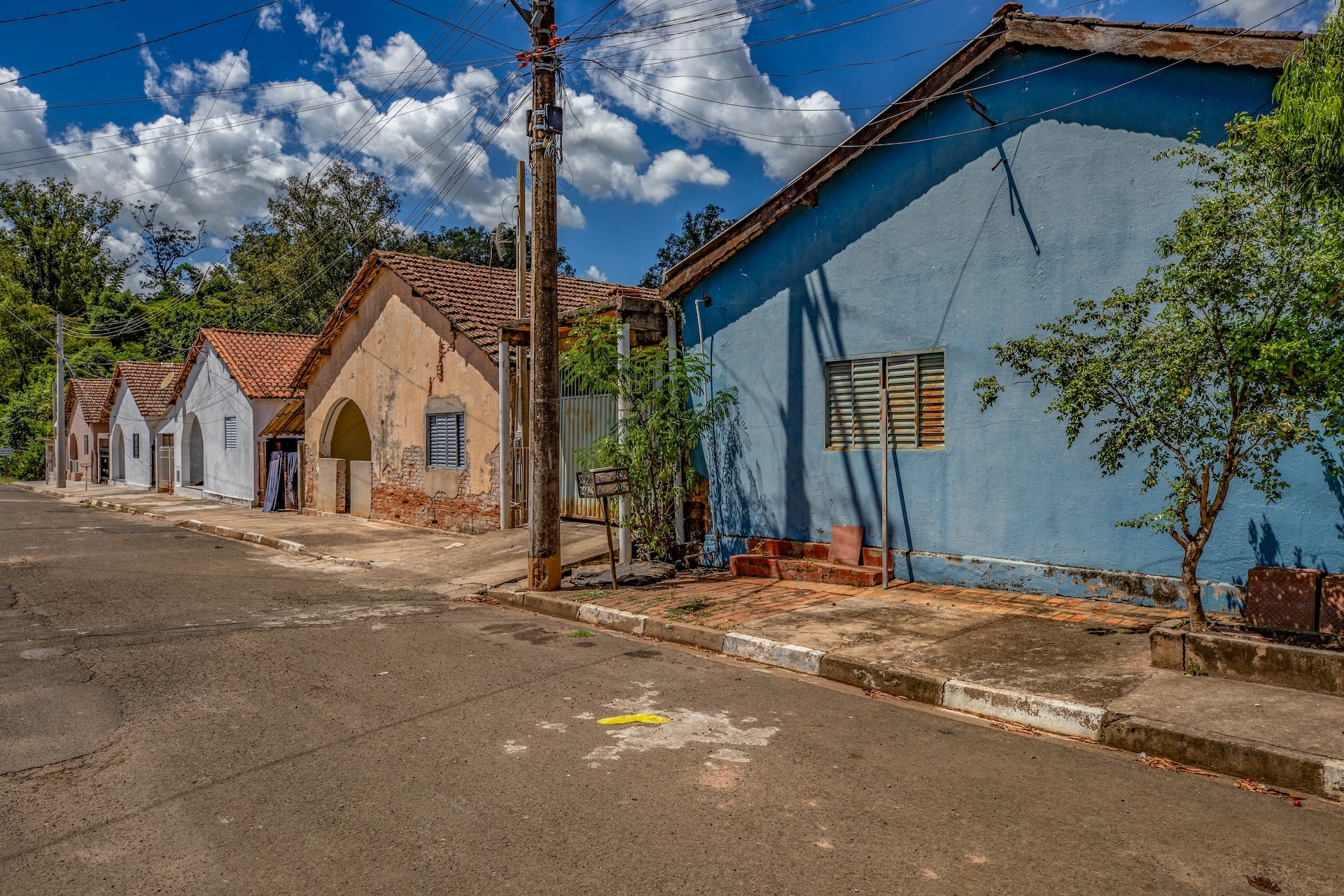
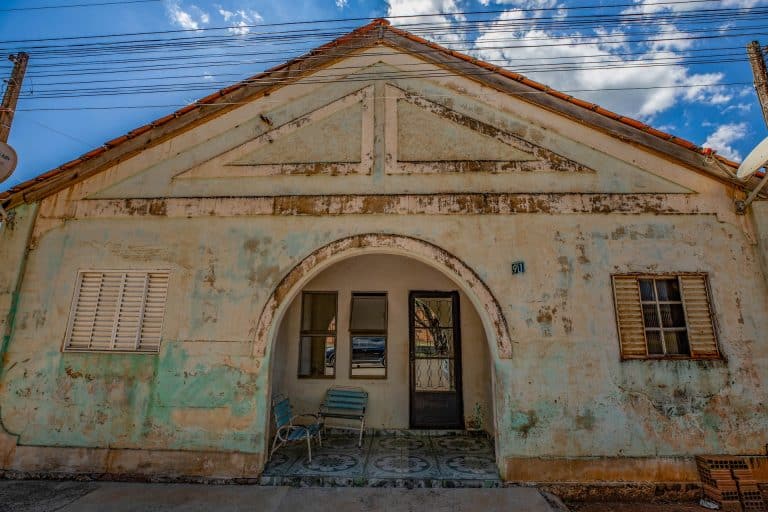
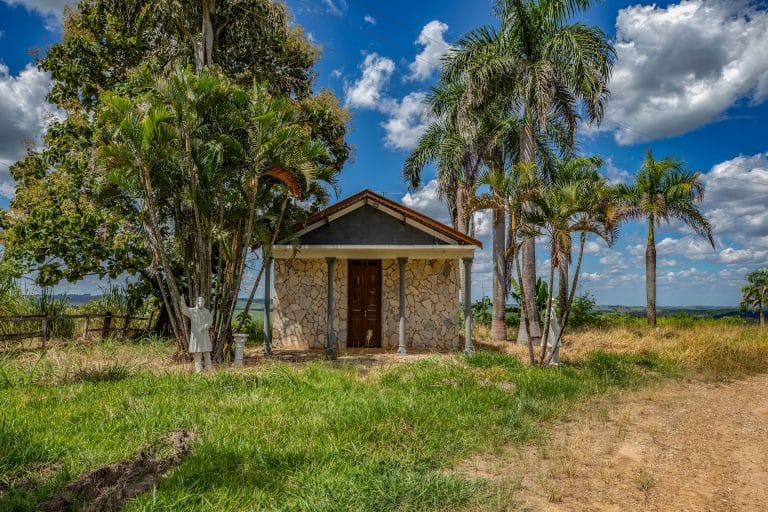
Around the old railway, traces of that past are still visible. Tracks, buildings, and paths shape a landscape marked by time. Amid simple structures and remnants of rural settlement, signs of an old workers’ village emerge, with houses clustered near the work sites—a place shaped by layers of history, its quiet richness visible in the layout itself and in the relationship between architecture and everyday life.
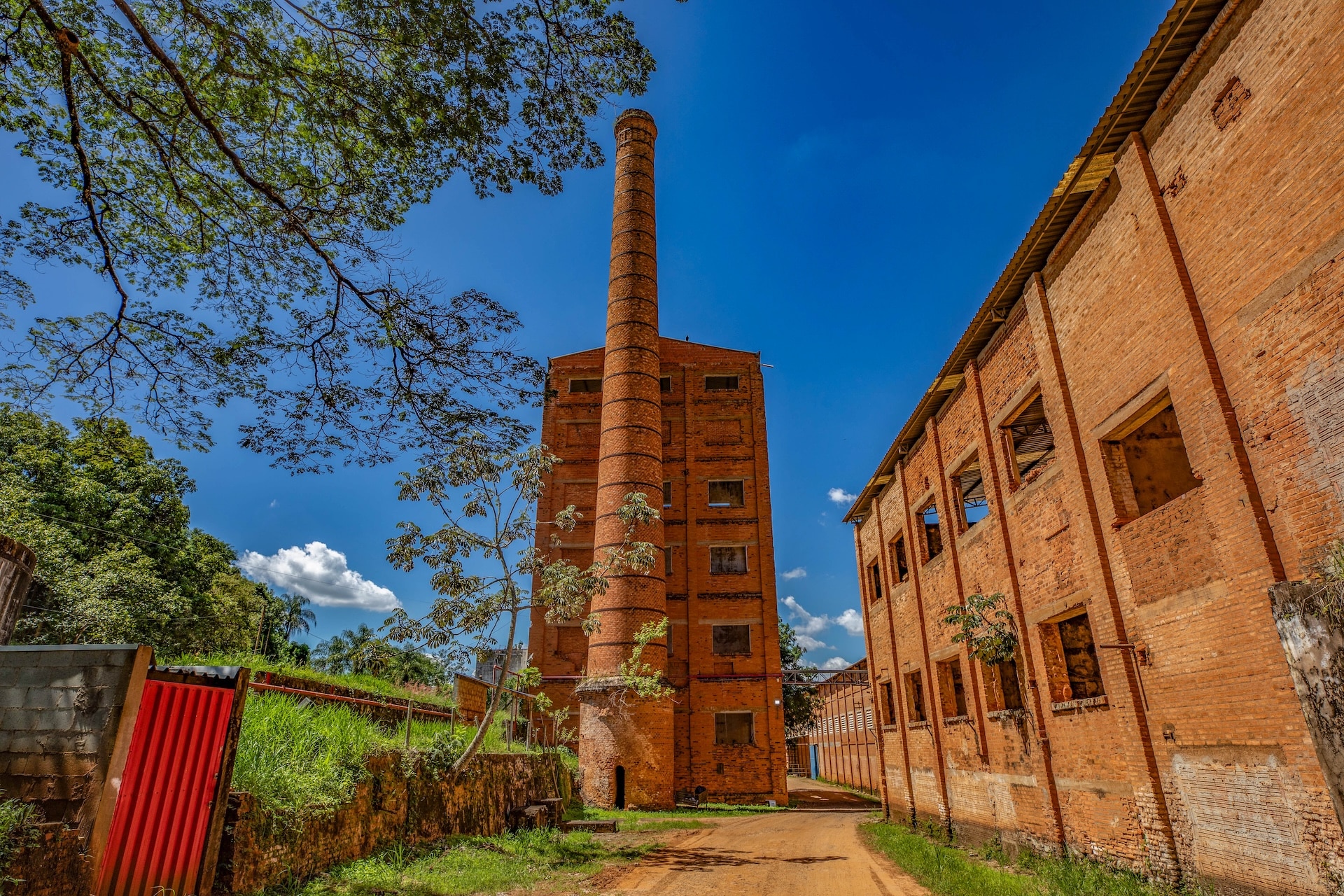
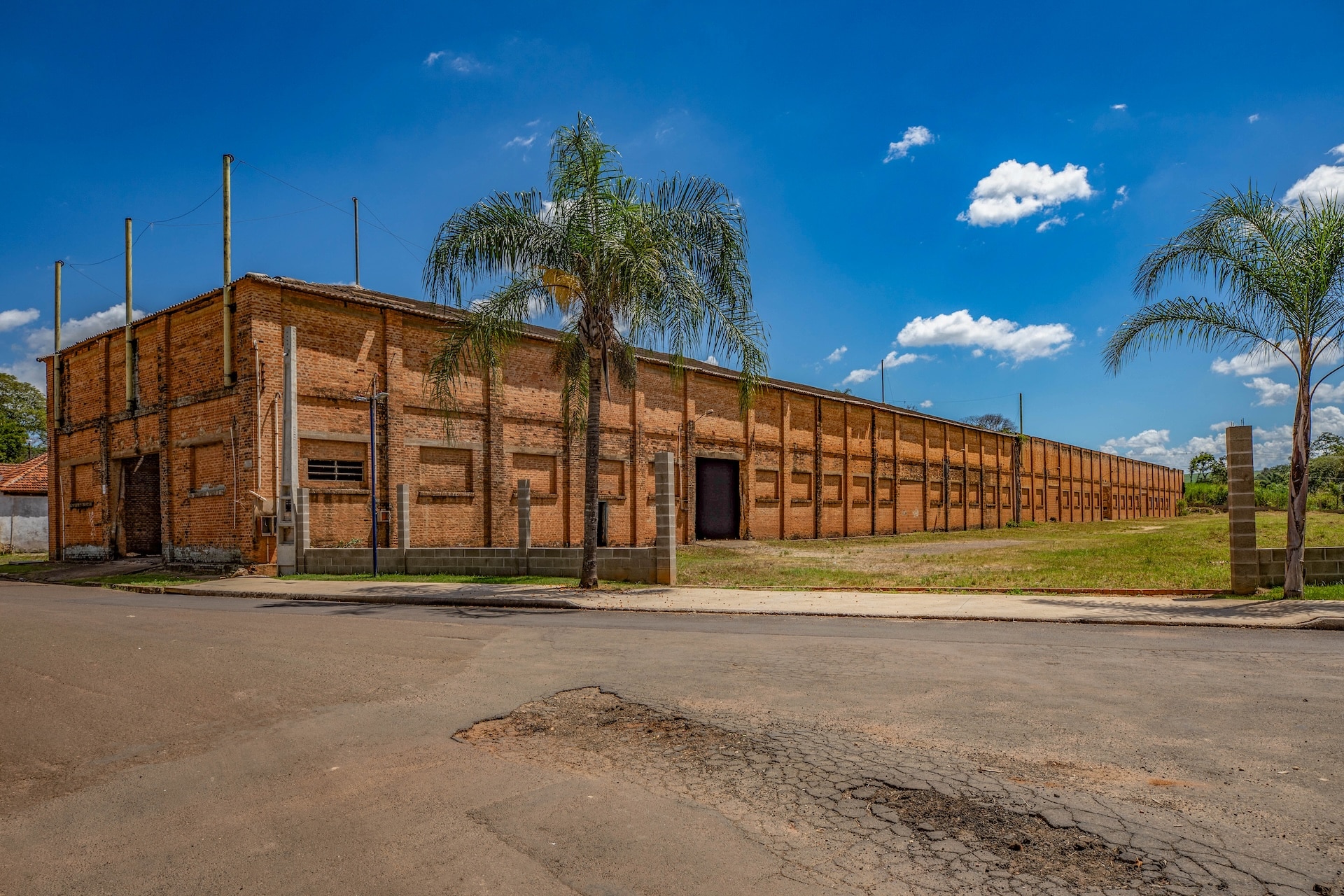
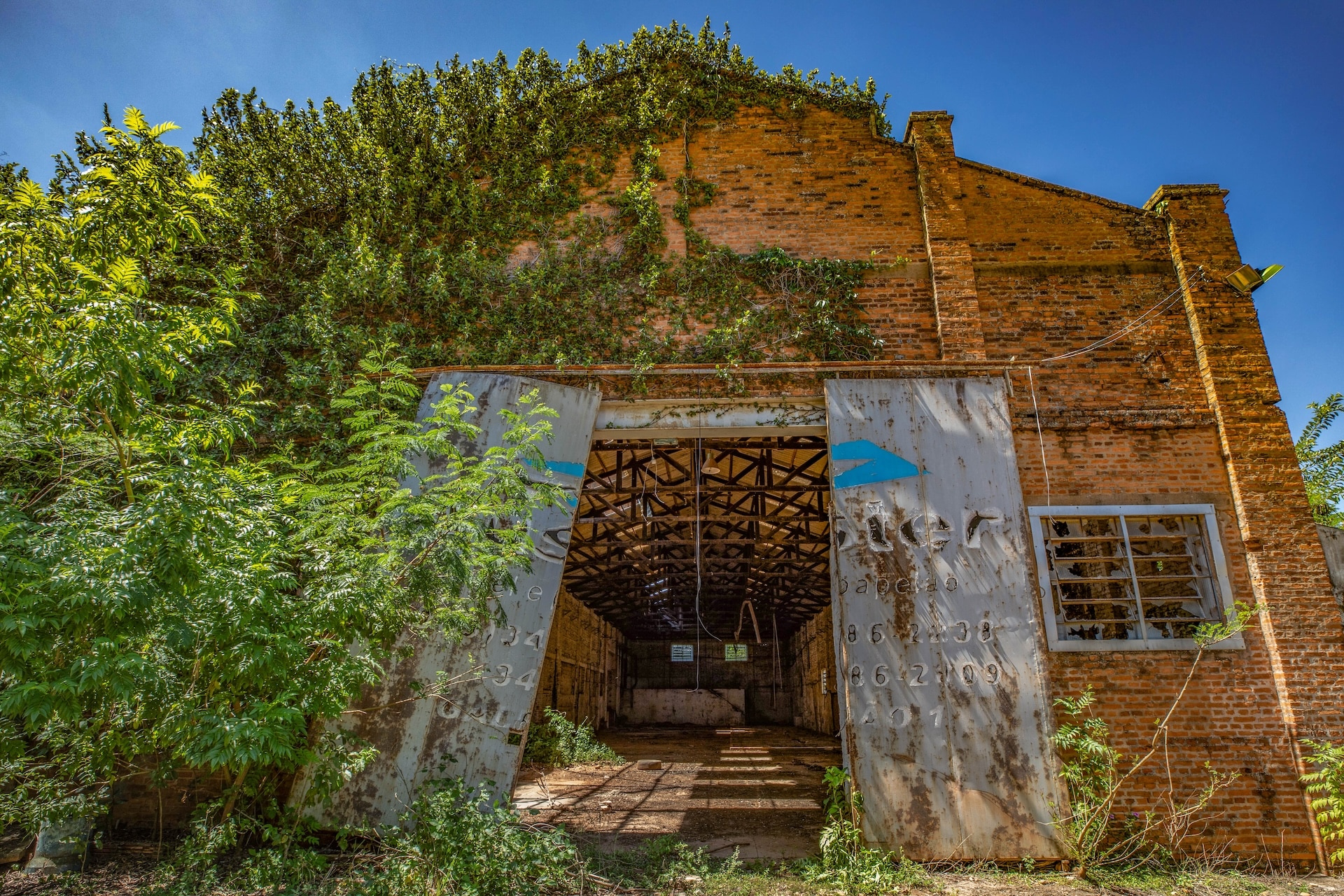
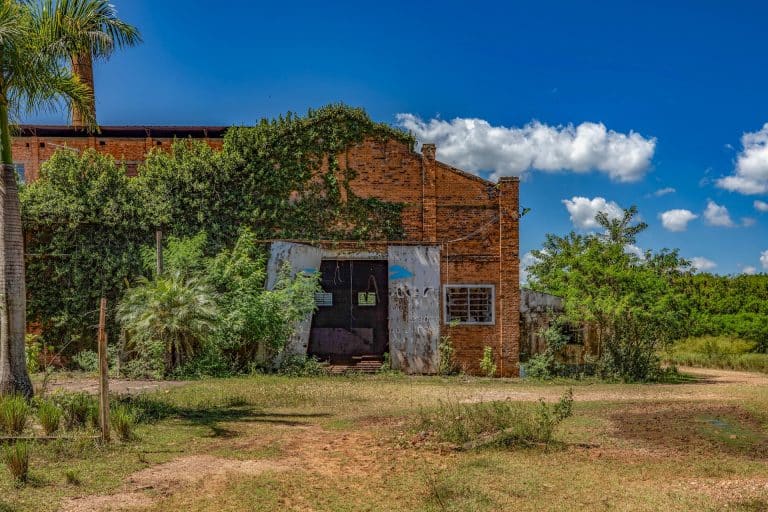
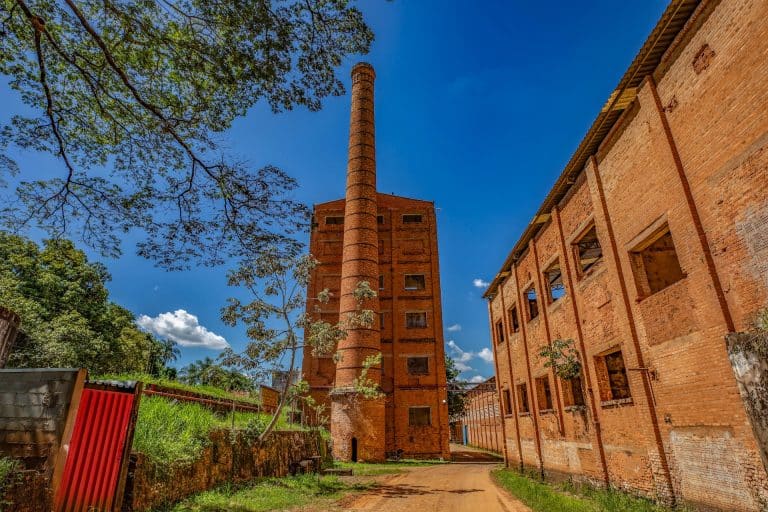
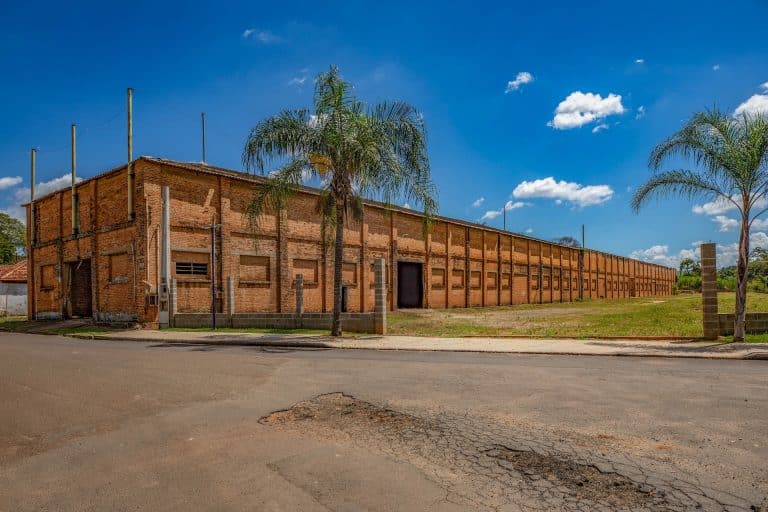
Among these landmarks, Usina São Francisco do Quilombo S/A stands out in the landscape. Built between the late 19th and early 20th centuries and in operation until 1972, the complex consists of large terracotta brick sheds, their façades punctuated by evenly spaced openings, making it one of the area’s most striking features.
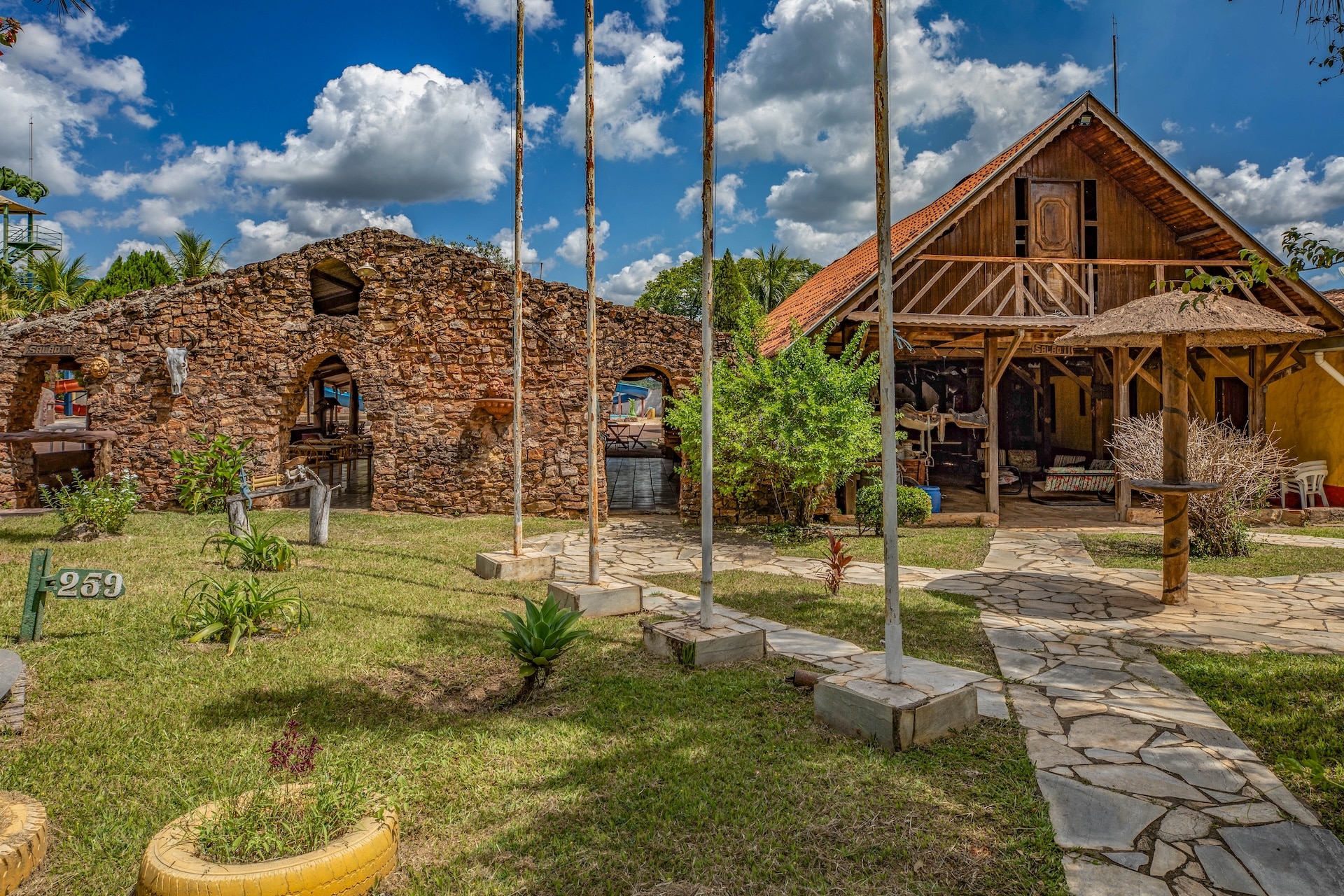
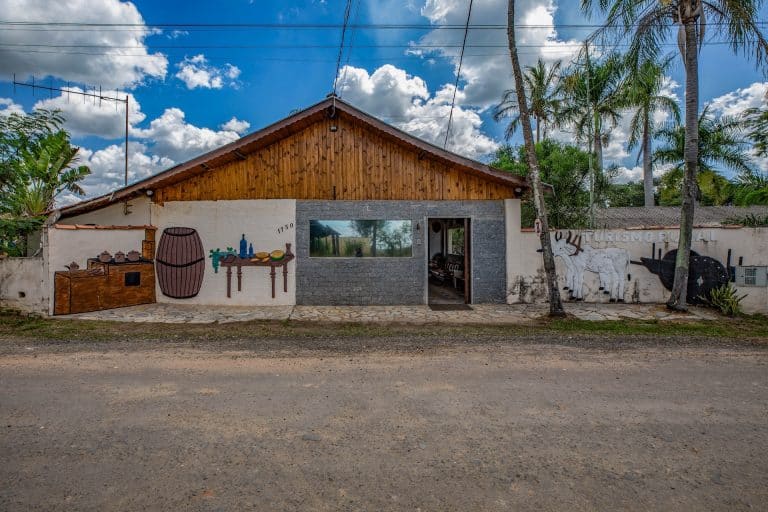
At Estância Park EcoÁguas, the Casa de Pedra stands out as a highly cinematic space. Built of stone and clay, it retains its original character. Inside, period furnishings and objects create an immersive atmosphere, where light, texture, and memory come together naturally, lending themselves to a range of visual narratives.
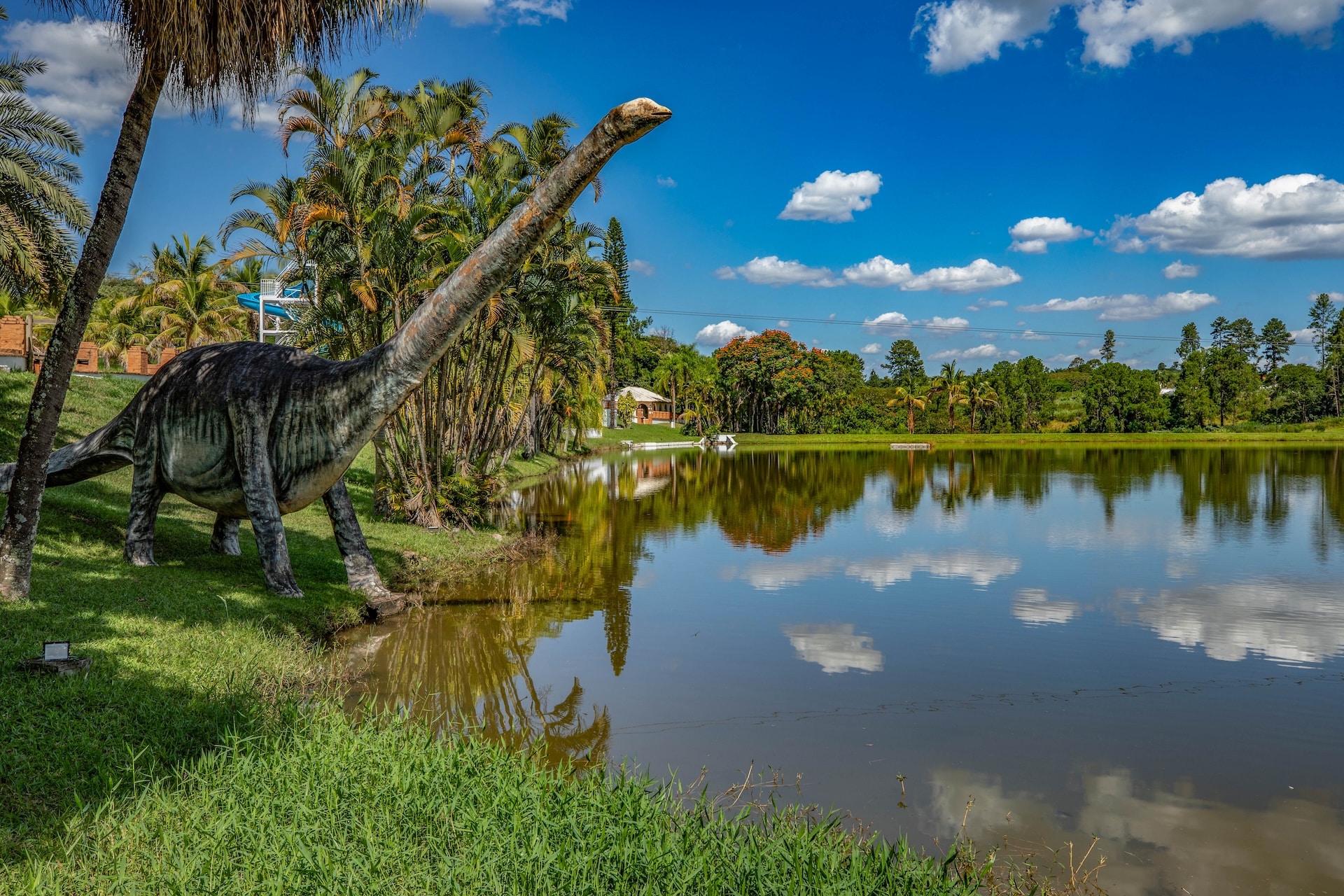
In contrast, Acampark introduces a more contemporary layer within the natural setting. Trails, a lake, water features, and purpose-built sets create a flexible environment where constructed scenes sit naturally in the open landscape. Among its most distinctive elements is the “storytelling tree,” set within a grotto shaped like a wizard’s hat, creating images that evoke a sense of fantasy and lend it a distinctly whimsical atmosphere.
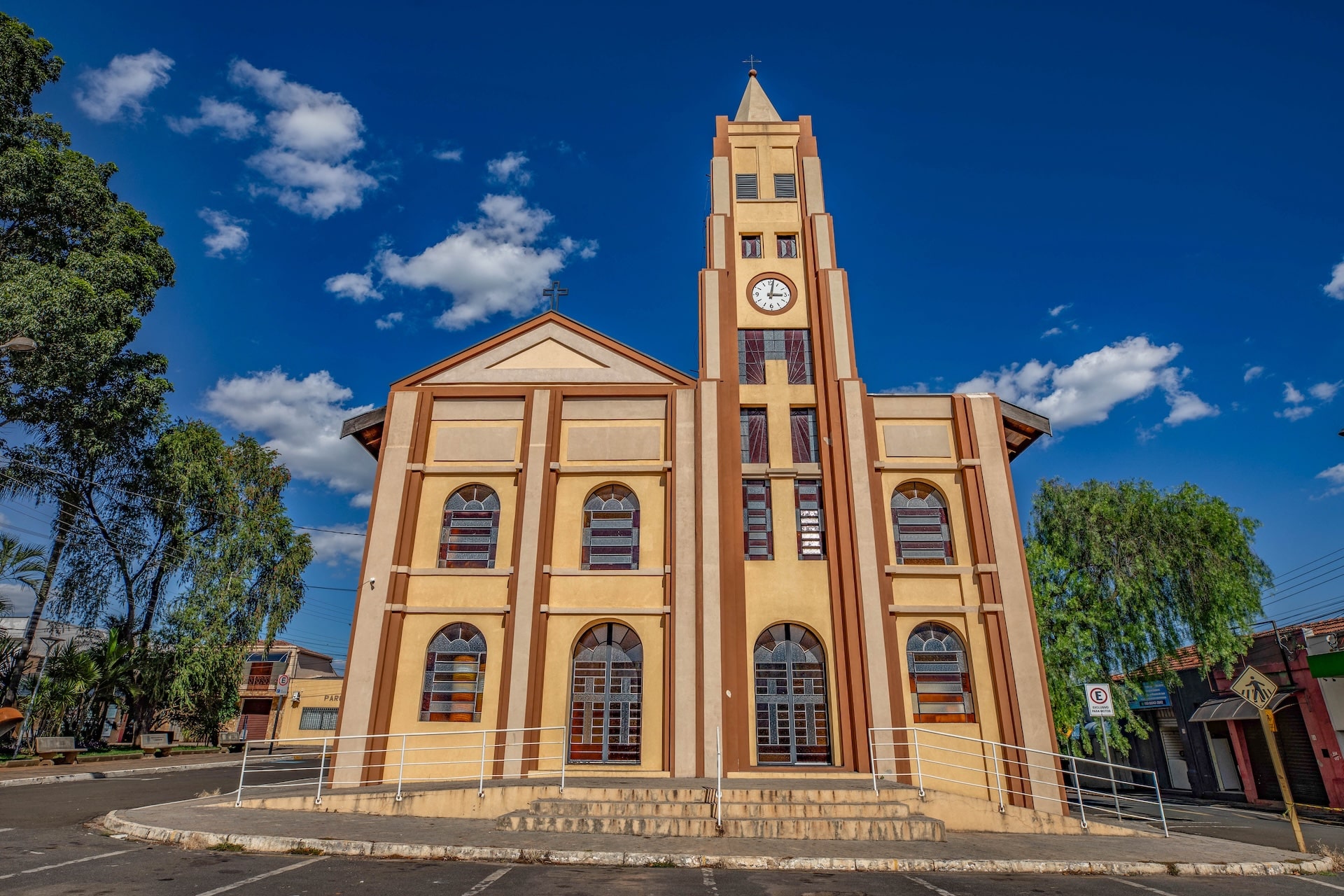
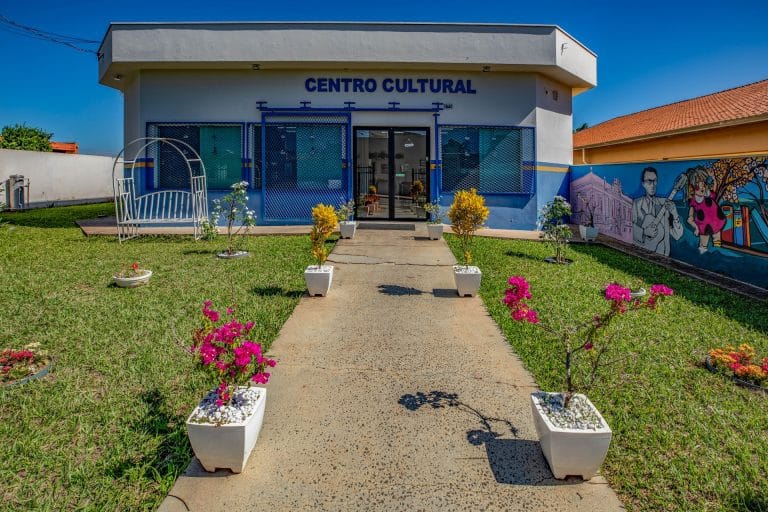
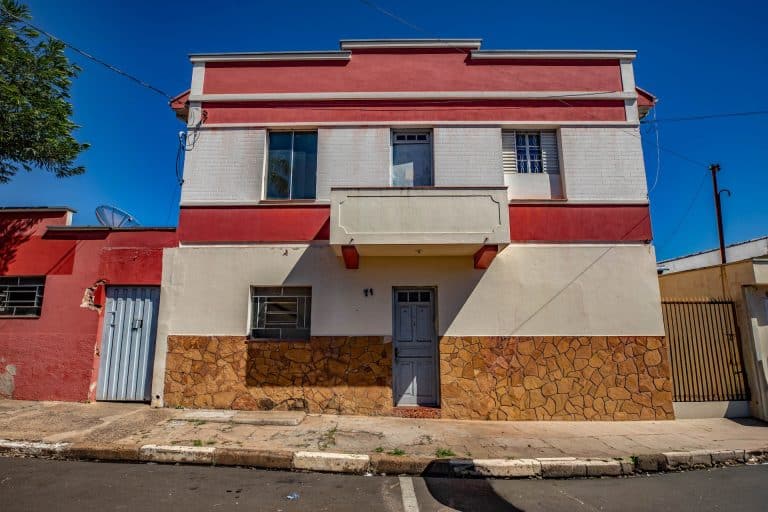
Charqueada is a place where different periods overlap—the old railway, industrial structures, historic buildings, and more recent settings all share the same landscape. Close to Viracopos International Airport, in Campinas, and about 184 kilometers from the capital, it is easily accessible by road, making it well-suited to audiovisual productions of different scales.
Technical Information
Nearest international airport: Viracopos (VCP)
Distance to nearest airport: 103 km
Distance to São Paulo: 184 km
Distance to GRU Airport: 200 km