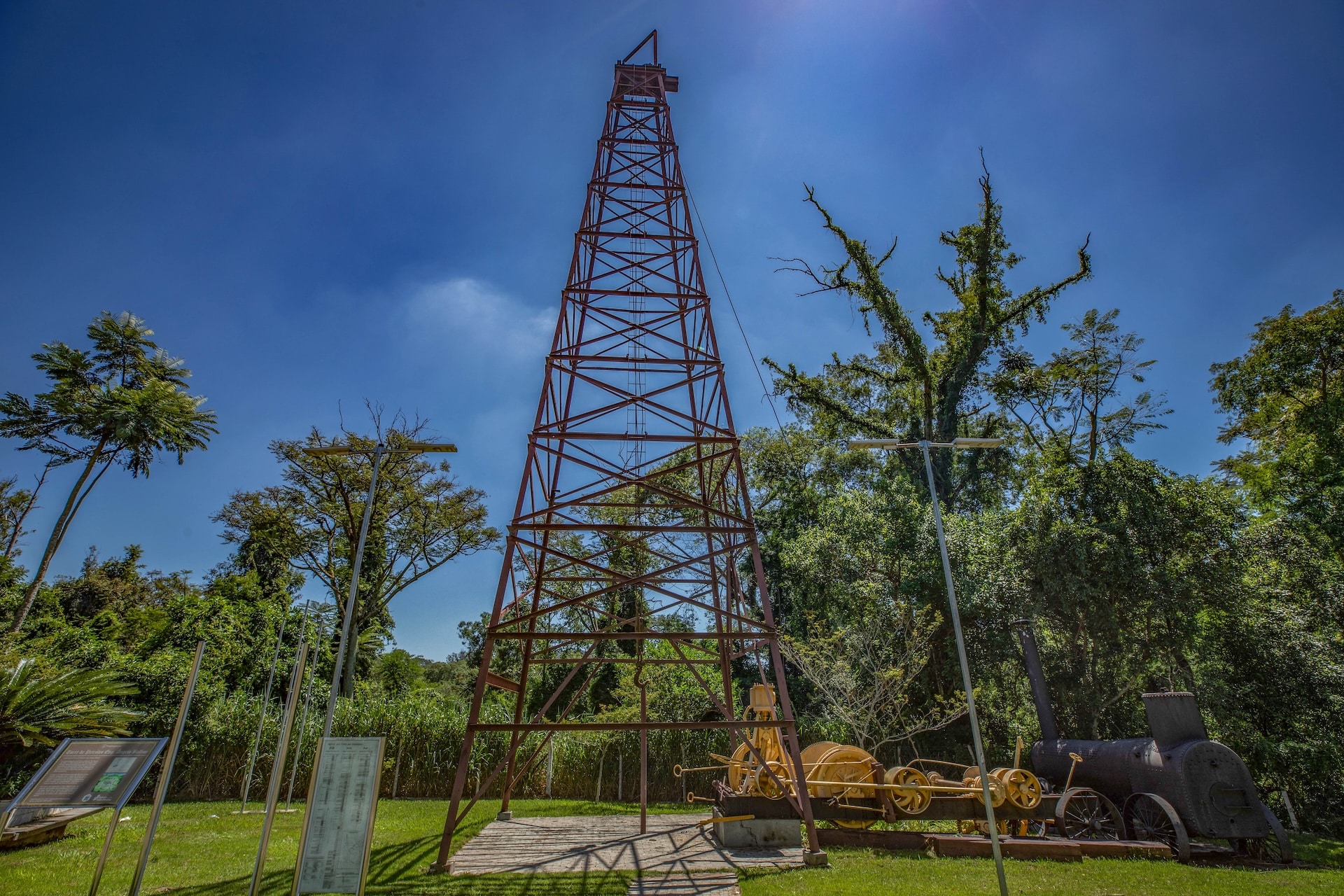
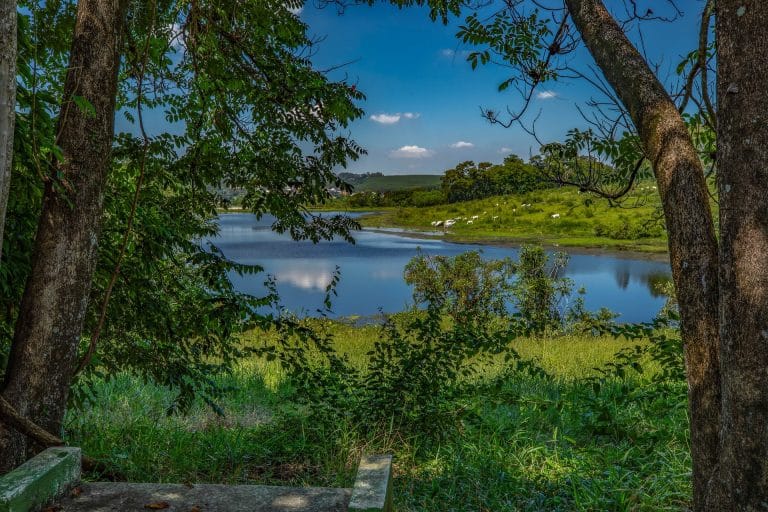
Águas de São Pedro, in the São Paulo countryside, is one of the state’s most traditional spa towns. In the 1920s, a government-backed oil search led to the accidental discovery of mineral springs. The Torre de Petróleo Engenheiro Ângelo Balloni, an old oil derrick, stands as a local landmark—a remnant of that era’s failed quest for oil.
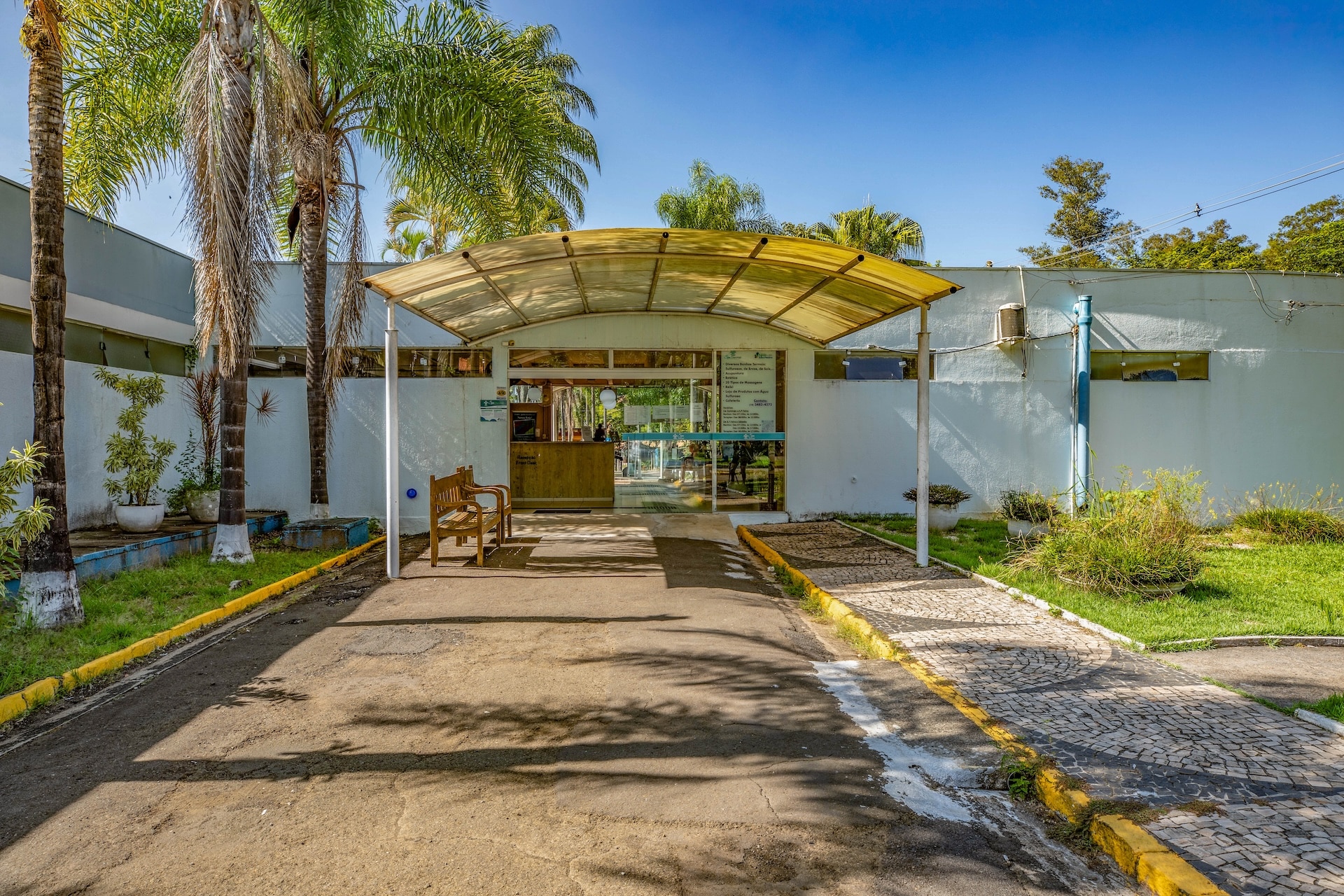
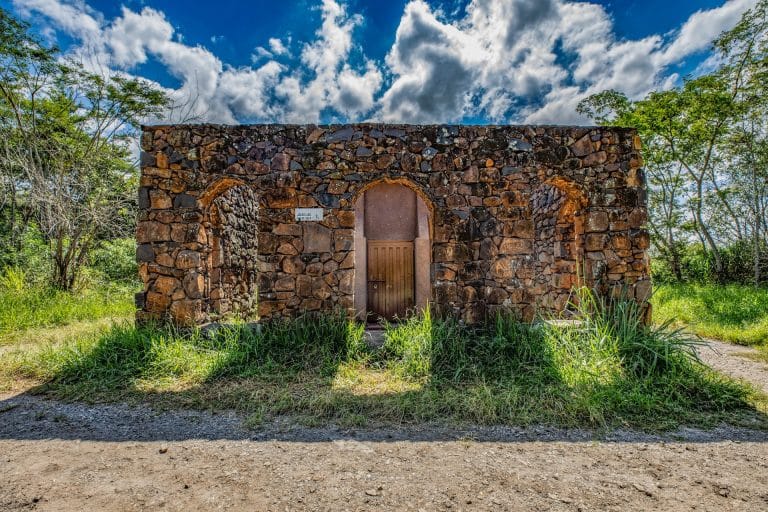
The discovery signaled a turning point for the town. In 1934, Ângelo Franzin established a modest bathing facility to harness the medicinal waters, known for their pungent, sulfurous scent. By the following year, local residents had expanded the site, replacing the original timber structure with a masonry building housing twelve baths. Shortly after, Octavio Moura Andrade—the visionary behind the “Caldas de São Pedro” spa—founded the company “Águas Sulfídricas e Termais de São Pedro S/A” alongside his brother, Antônio Joaquim de Moura Andrade. This venture secured the future of the springs and established the historic architectural complex, which had been preserved since the early 20th century.
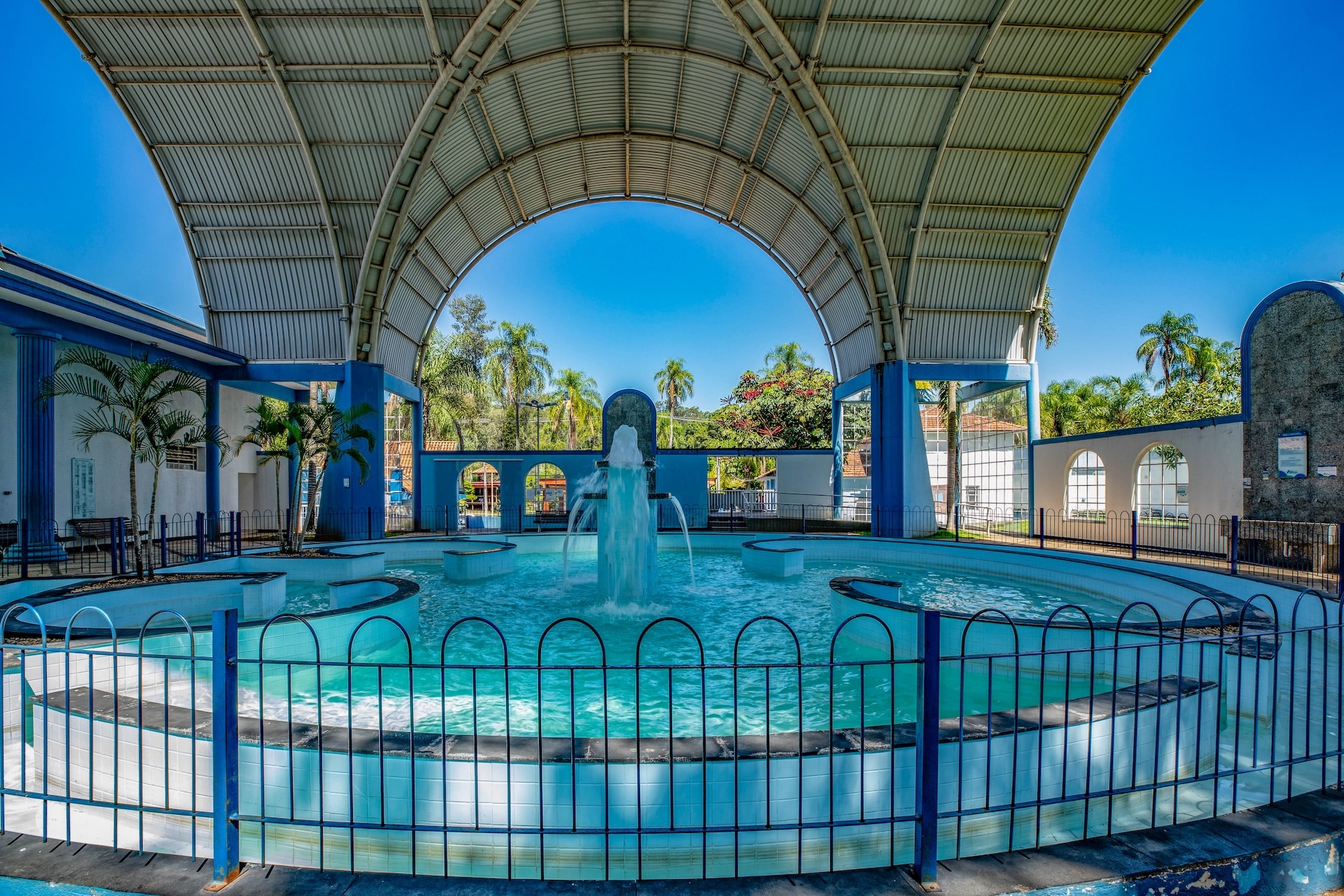
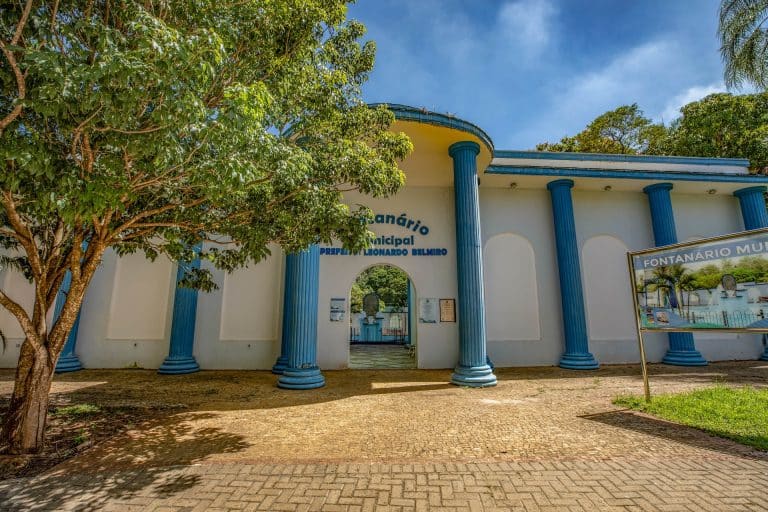
In a region shaped by the late 19th-century coffee boom and waves of Italian, Portuguese, and Spanish immigration, the town offers a diverse range of settings within a compact area. A centerpiece of the town, the Fontanário Municipal features blue-and-white Doric columns and a series of vaulted metal arches arranged around a central fountain. The balance of form and color lends the space a striking visual character, allowing the architecture to stand in sharp, expressive relief.
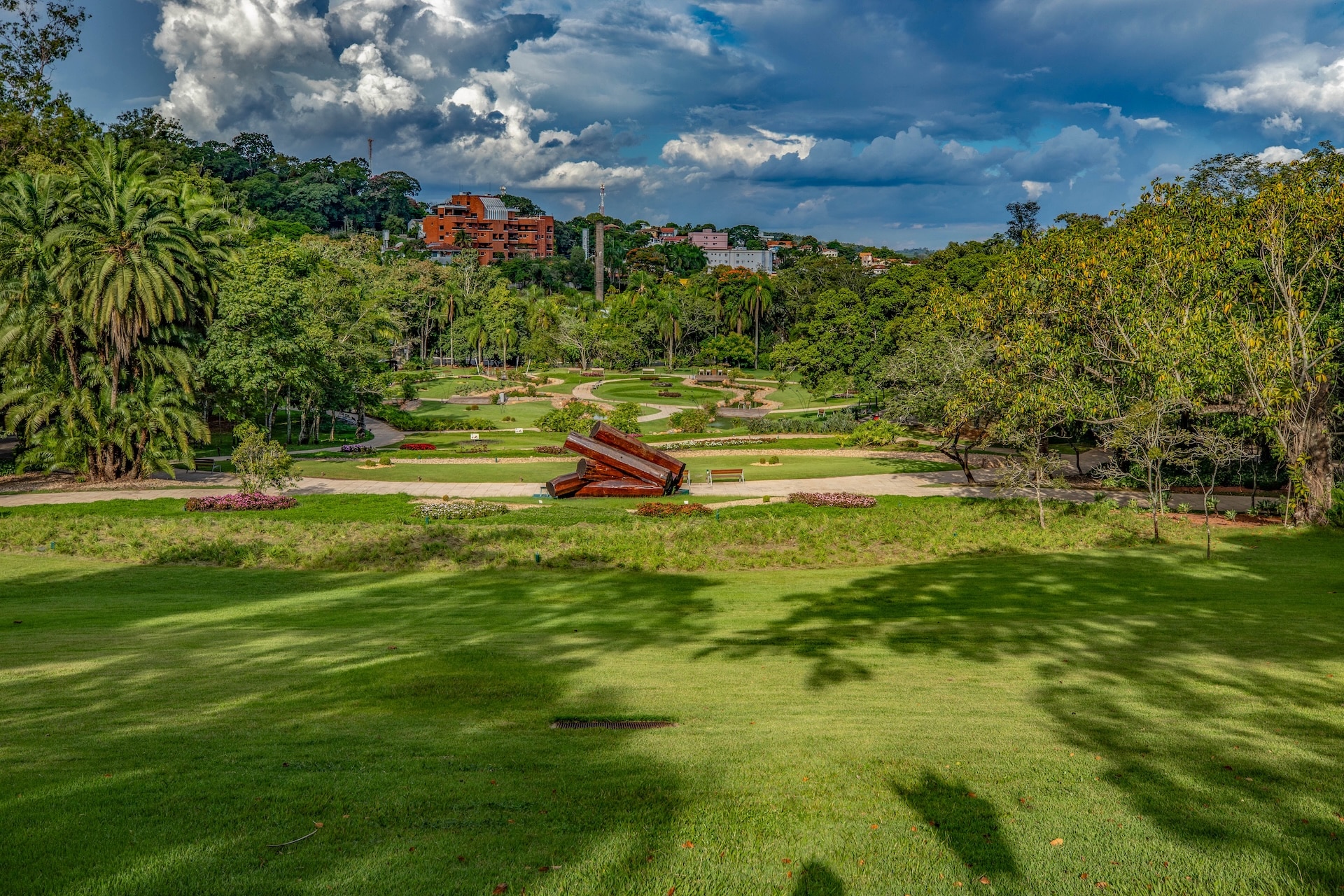
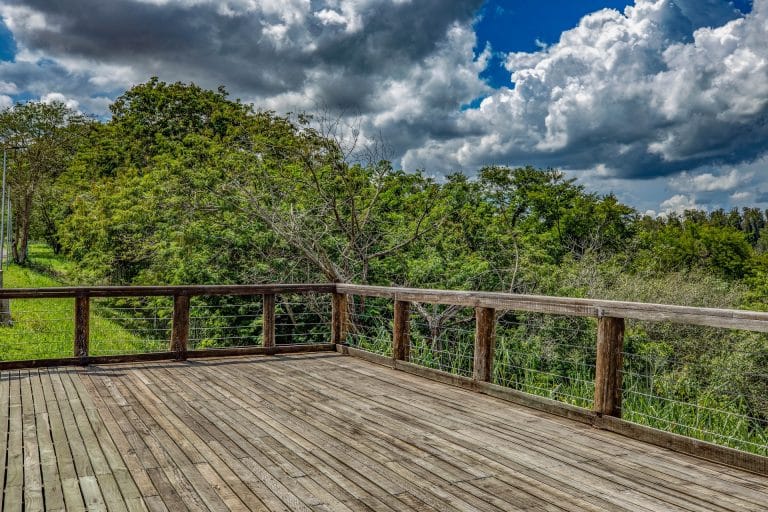
Beyond its historical character, Águas de São Pedro sits at the “ecological crossroads” of the Atlantic Forest and the tropical savannah of the Cerrado.
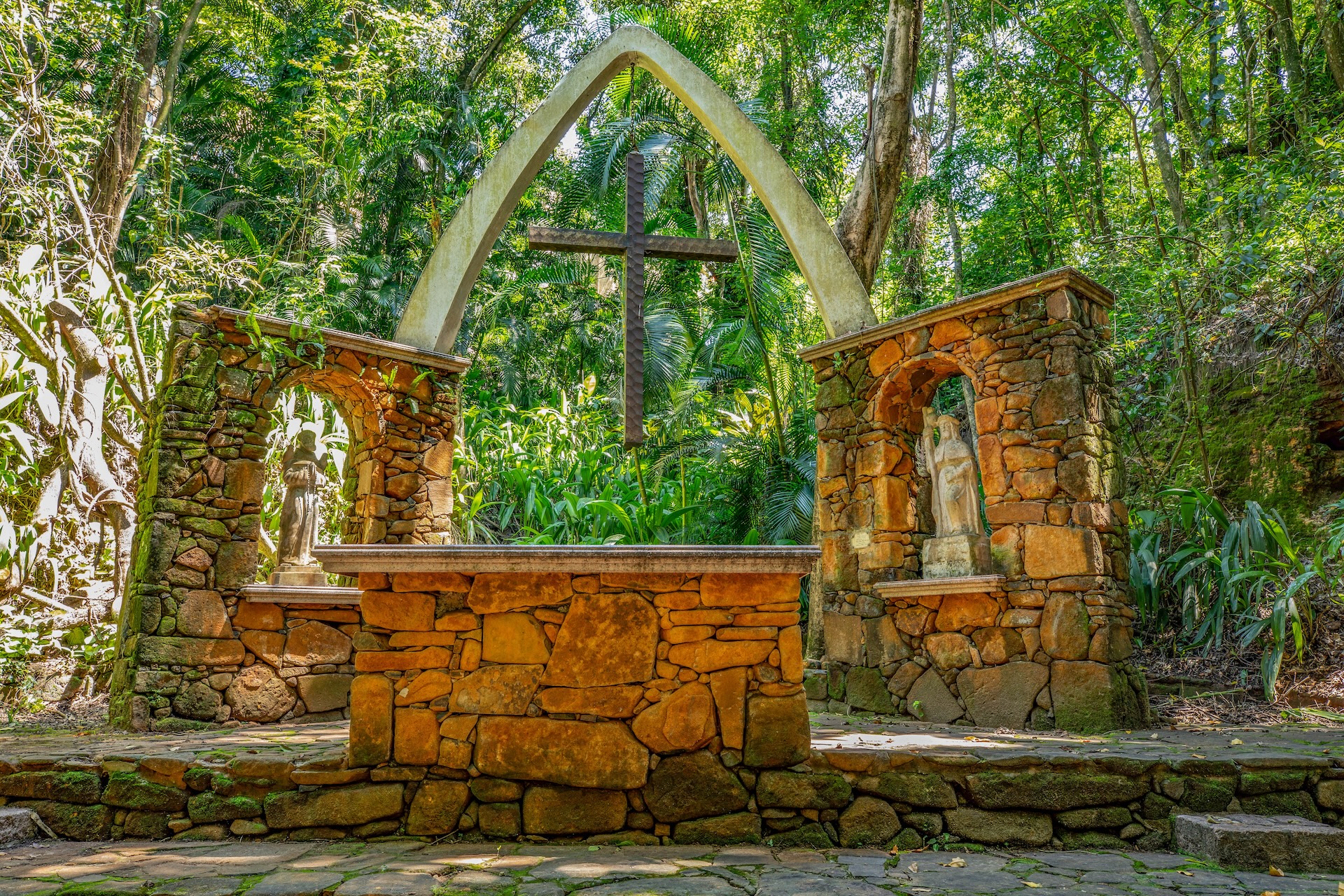
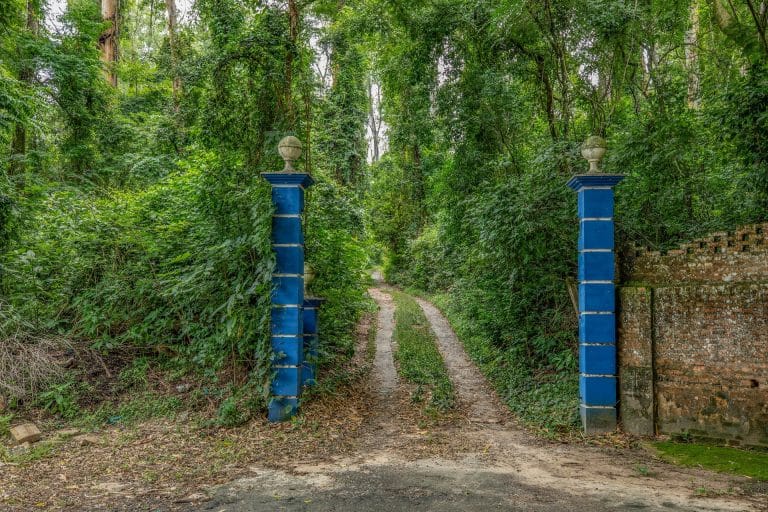
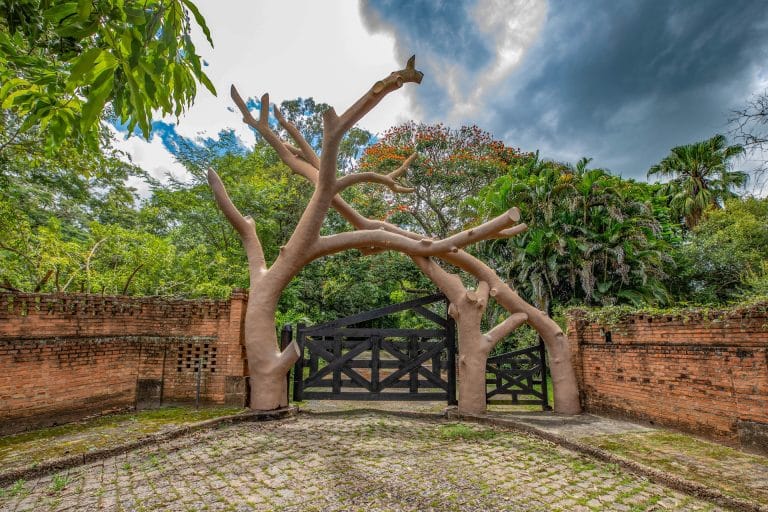
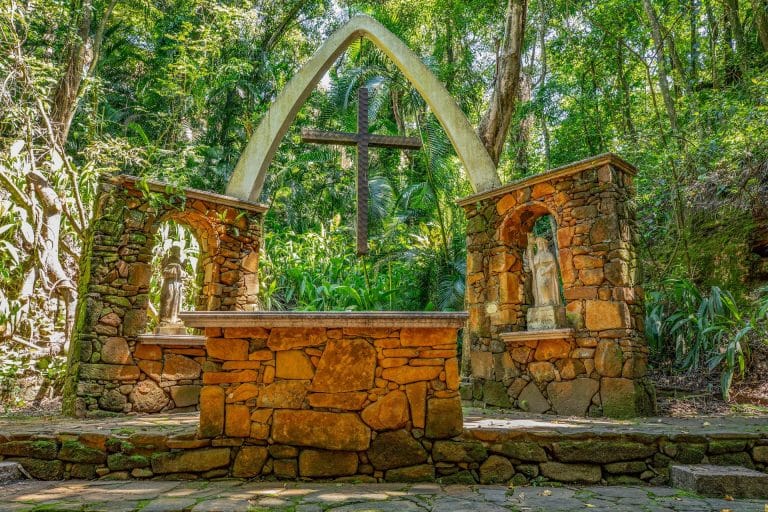
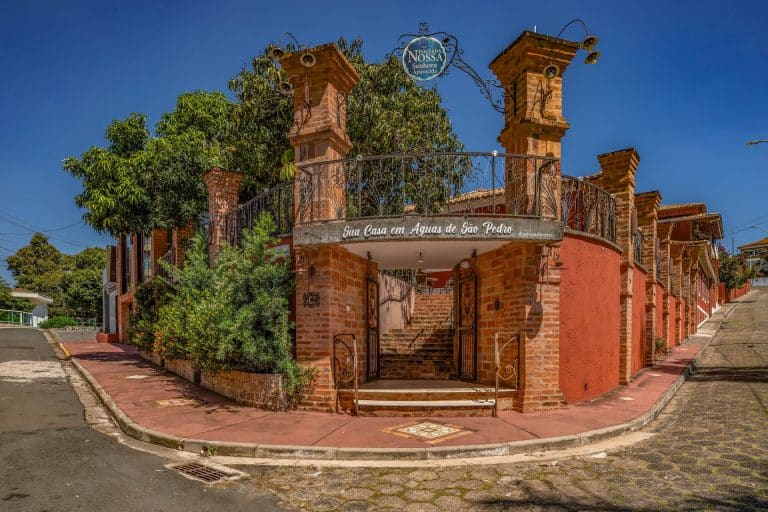
The Casa de Santiago de Compostela, at the Mini-Horto, and the Fonte Gioconda fountain share a common architectural language, marked by exposed orange brick and a rustic finish that lends the spaces a distinct texture. Nestled among wooded paths, these sites form a seamless environment where nature and architecture converge, offering a versatile backdrop for a wide range of audiovisual productions.
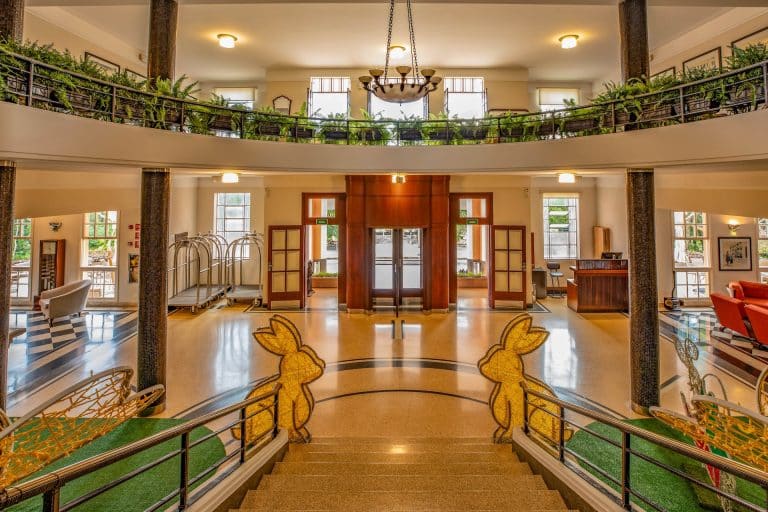
The Grande Hotel São Pedro SENAC is a cornerstone of the urban landscape. Set among woodlands and gardens designed in the 1940s, the complex features a striking art-deco style, defined by geometric lines and clean, orderly façades. The site offers a variety of vantage points and great visual depth, lending it a cinematic atmosphere suited to both institutional and narrative productions.
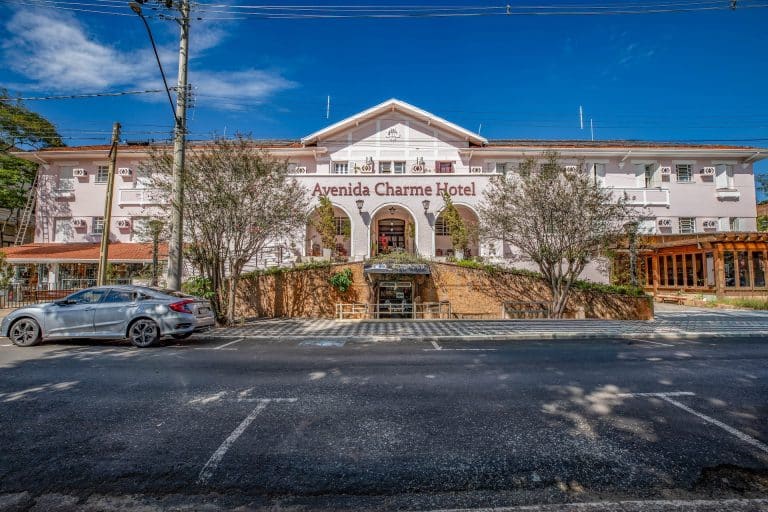
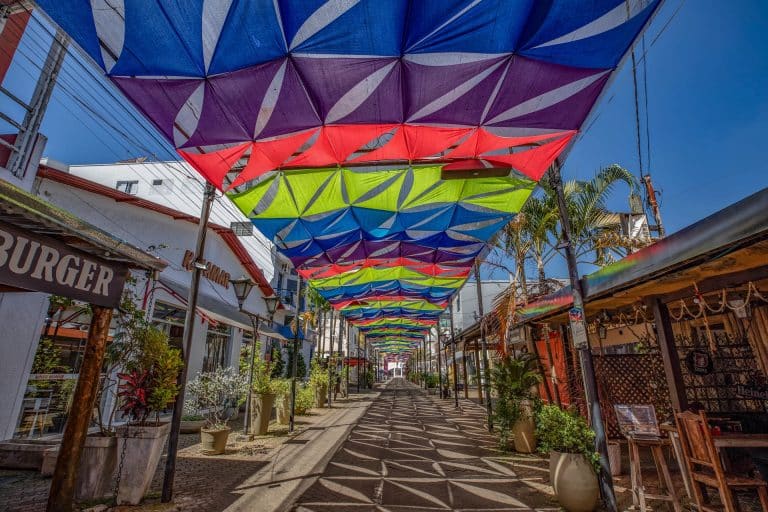
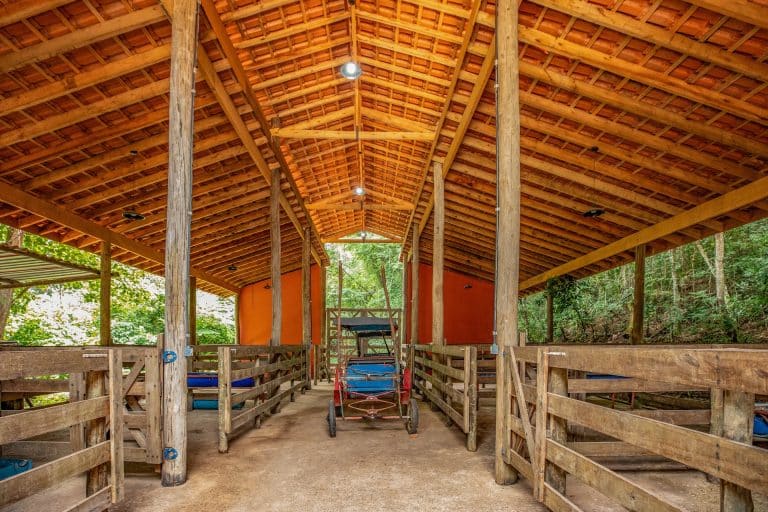
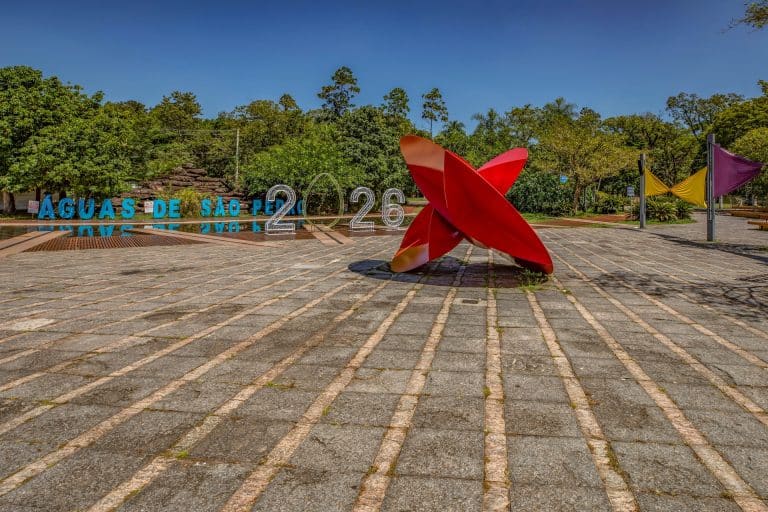
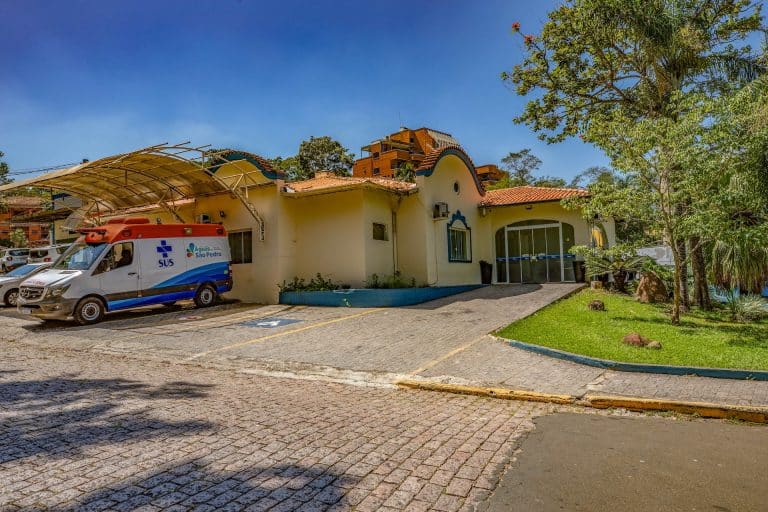
Águas de São Pedro offers a variety of settings—historic sites, versatile locations, and expansive, decades-old gardens—all within a compact area. Located 186 kilometers from São Paulo with easy access via major highways and proximity to Viracopos International Airport, it offers efficient logistics for crews and large-scale audiovisual productions.
Nearest international airport: Viracopos (VCP)
Distance to nearest airport: 135 km
Distance to São Paulo: 219 km
Distance to GRU Airport: 233 km