The history of Águas de Lindoia—a spa town nestled in the São Paulo countryside—began in the early 1900s with the arrival of an Italian physician named Francisco Tozzi. Originally from Benevento, Dr. Tozzi moved to Brazil in 1900 after hearing tales of a 28°C spring that had supposedly cured a local priest’s eczema. Recognizing the potential of these healing waters, he set out to build a community centered entirely around the thermal springs.
By 1909, scientific analysis had confirmed the medicinal properties of the springs, prompting Dr. Tozzi to buy up the surrounding land. A year later, he welcomed the area’s first residents and visitors with the opening of the Thermas de Lindoya, a complex of communal lodging and dining spaces. This early settlement marked the beginning of a town whose development revolved entirely around the springs.
Word of the thermal baths’ healing powers soon spread far and wide, drawing a steady stream of visitors to the springs. This growing demand eventually drew the attention of markets beyond the town itself, leading to the launch of a mineral water bottling operation in 1916. As the crowds grew, local commerce began to flourish.
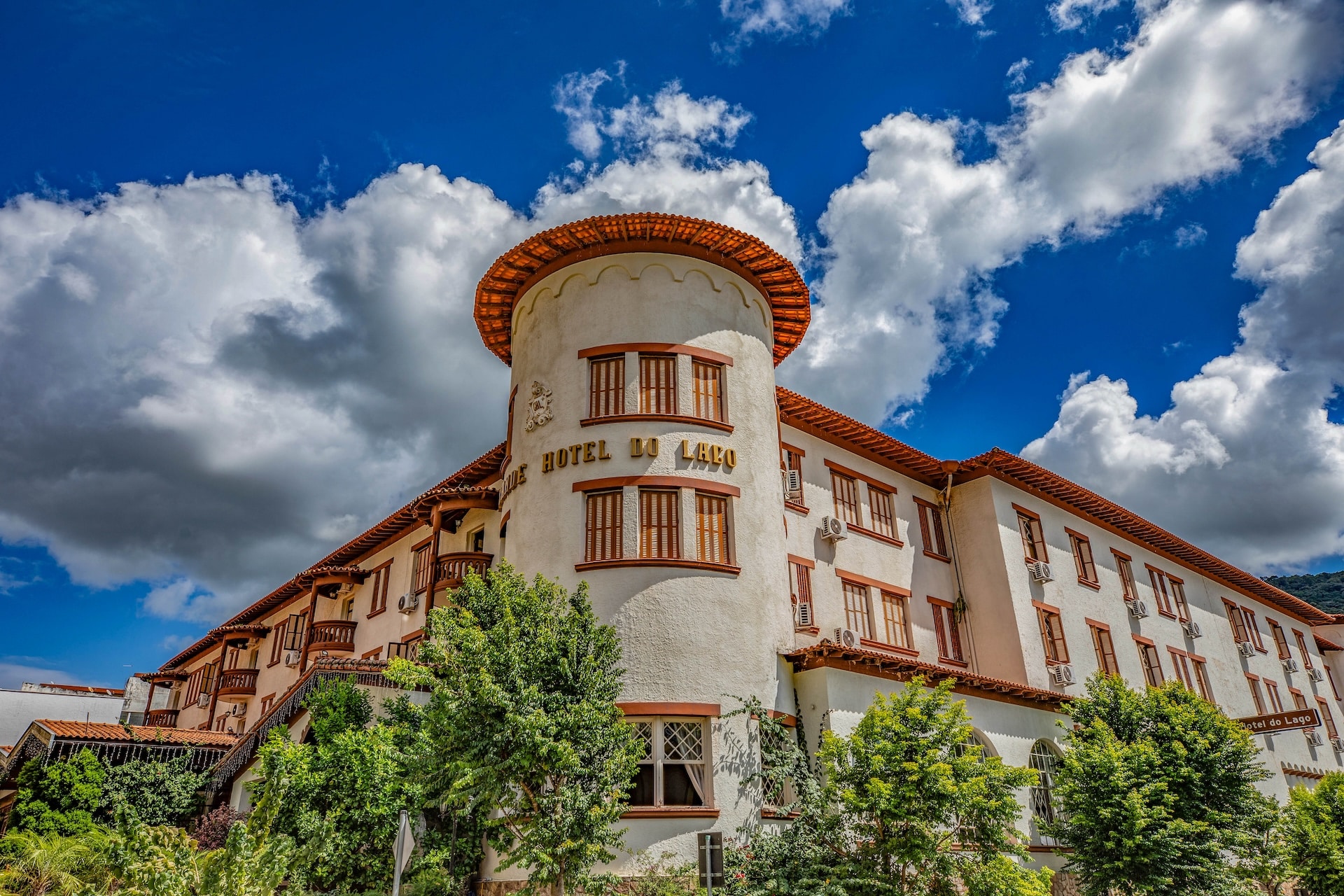
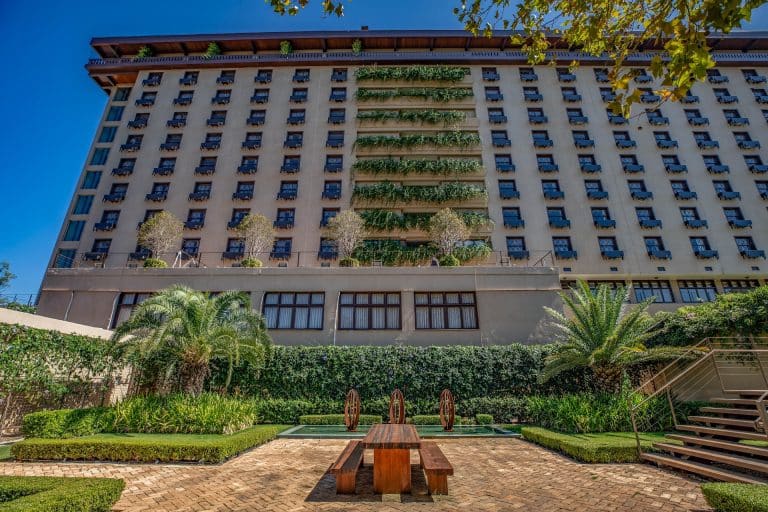
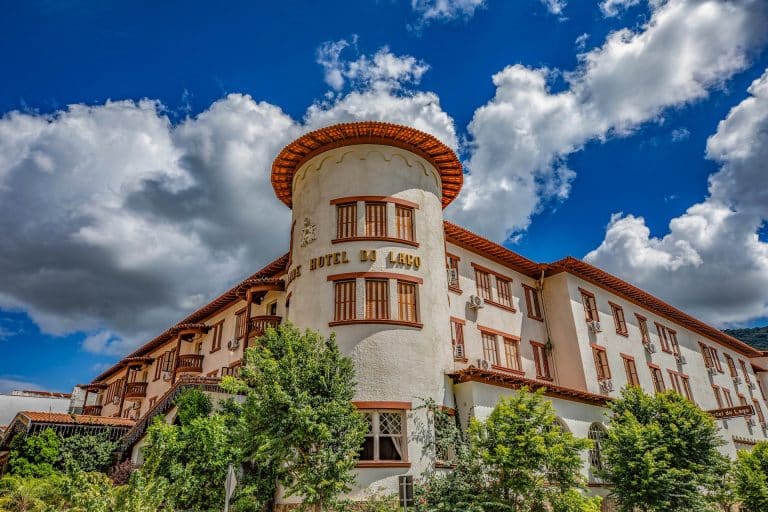
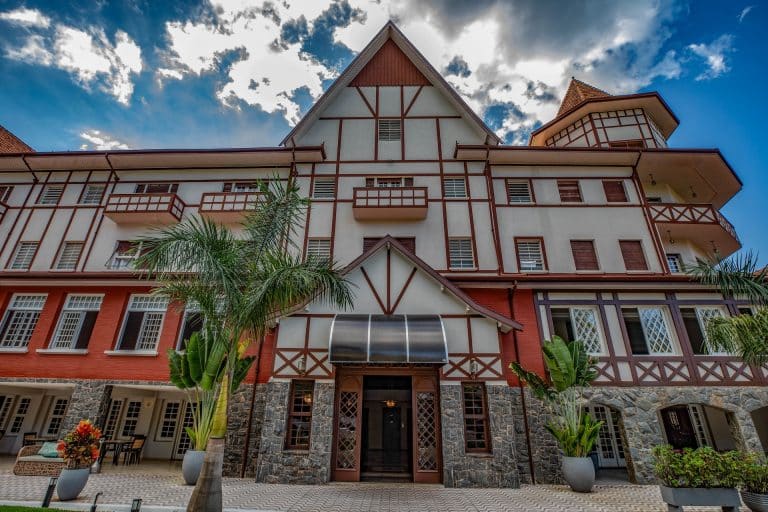
This growth soon materialized in new landmarks like the Grande Hotel Glória. Standing proudly in the heart of the city, the hotel’s commanding façade displays a distinct European Alpine influence. It remains a striking fixture in the landscape, celebrated not only for its 20th-century historical significance but also as a pristine period backdrop for film and television productions.
This boom gave rise to new local landmarks, most notably the Grande Hotel Glória. With its commanding facade and European Alpine architecture, the downtown hotel is a striking piece of 20th-century history – and a perfect, ready-made period backdrop for film and television.
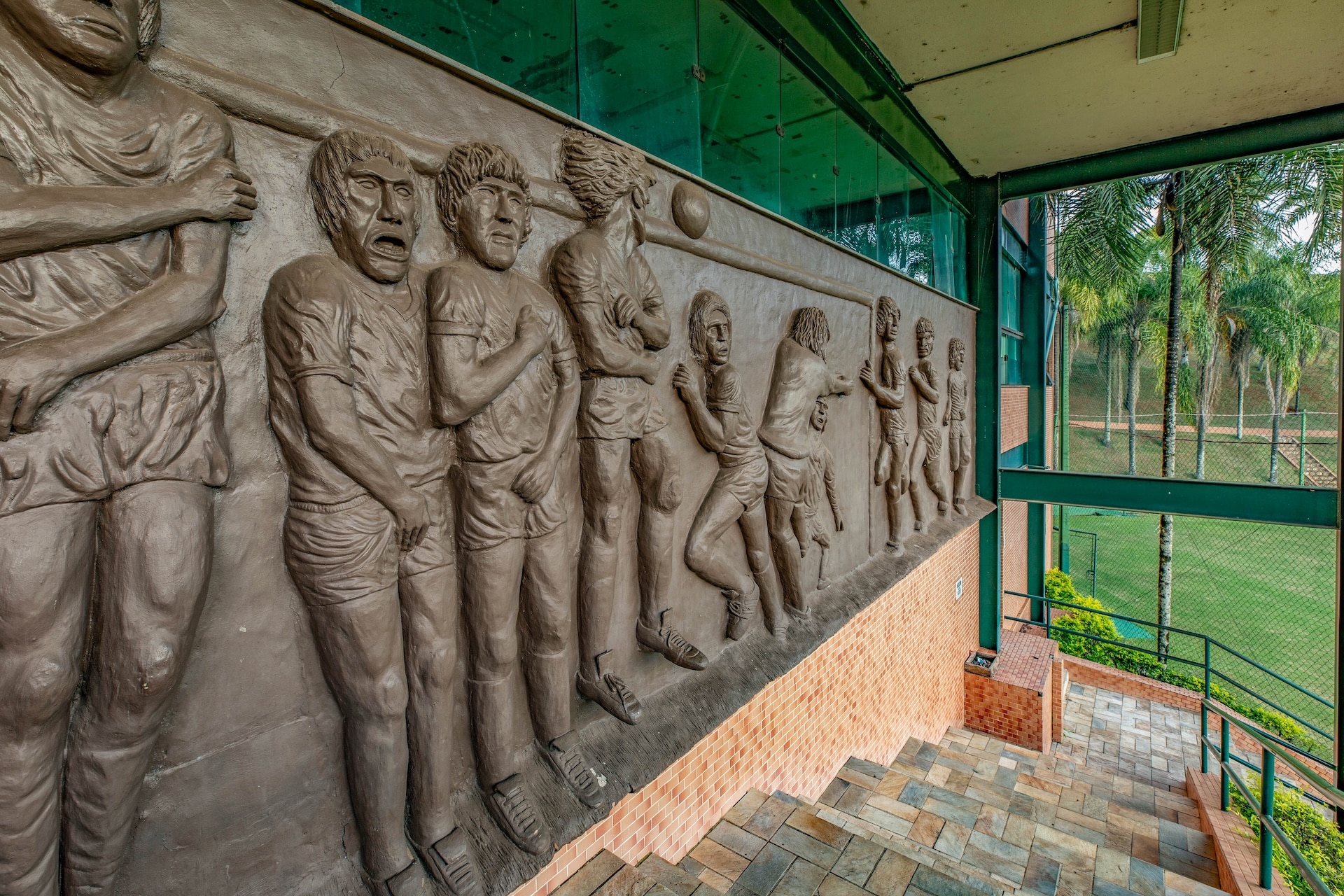
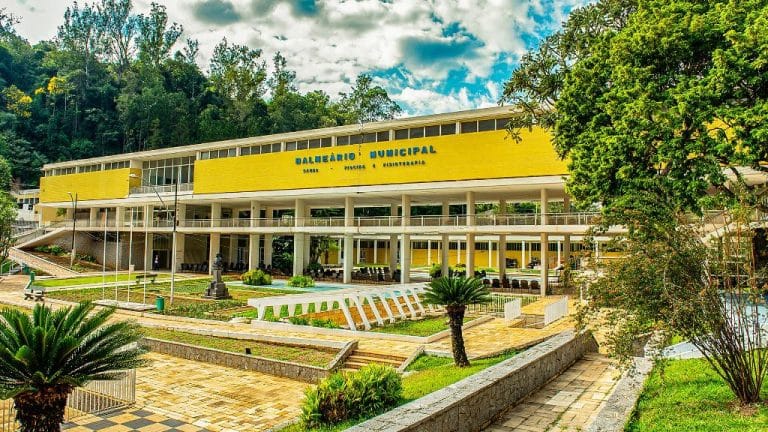
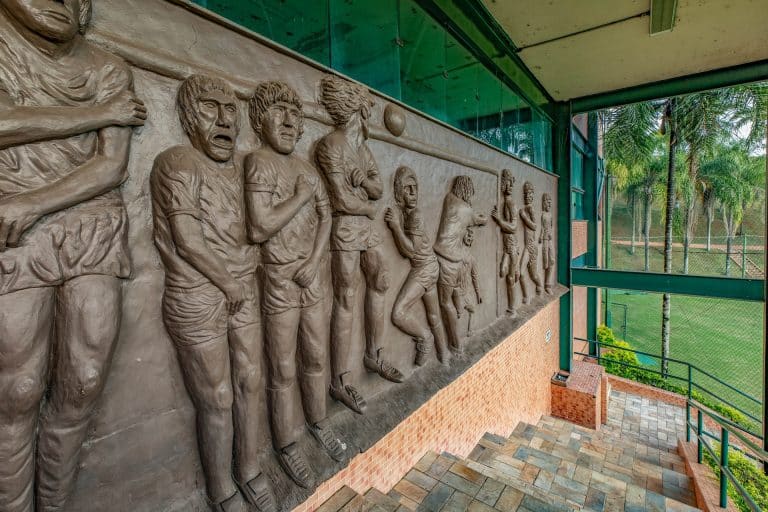
By 1959, the widespread use of the springs culminated in the opening of the Balneário Municipal Edison Brasil Tozzi Rizzo, or Municipal Baths, named after Francisco Tozzi’s grandson (the son of Vicente Rizzo), both of whom championed the town’s municipal independence. The bathhouse brought all therapeutic uses of the waters under one roof, marking the formal institutionalization of medicinal bathing. Architecturally, the complex blends classical and modern styles, with sculpture-lined gardens framing the building. A distinct blue-and-yellow palette runs through the interior, which features private bath suites equipped with tubs, metallic fixtures, and drinking fountains.
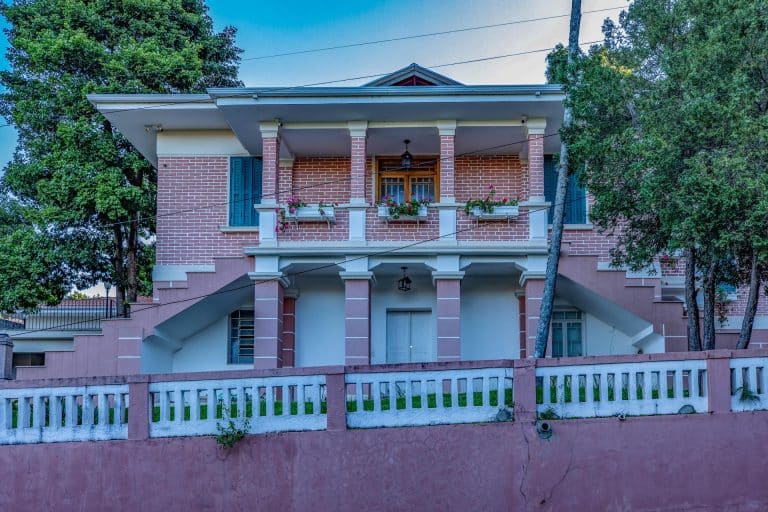
On another layer of local history, the Villa di Napoli stands as a testament to the founding family’s enduring legacy. The residence belongs to Vera Rizzo Tozzi, a descendant of the town’s founders. Now nearly a century old, the house preserves original details from the period when her father’s generation first arrived from Naples. In one of the rooms, a mural painted by a German artist has been carefully restored. Gold-leaf wall moldings and a French wooden dressing table are among the interior’s defining features, while the striking pink-and-white façade underscores its classical European character, making it an ideal location for film shoots and historical tours.
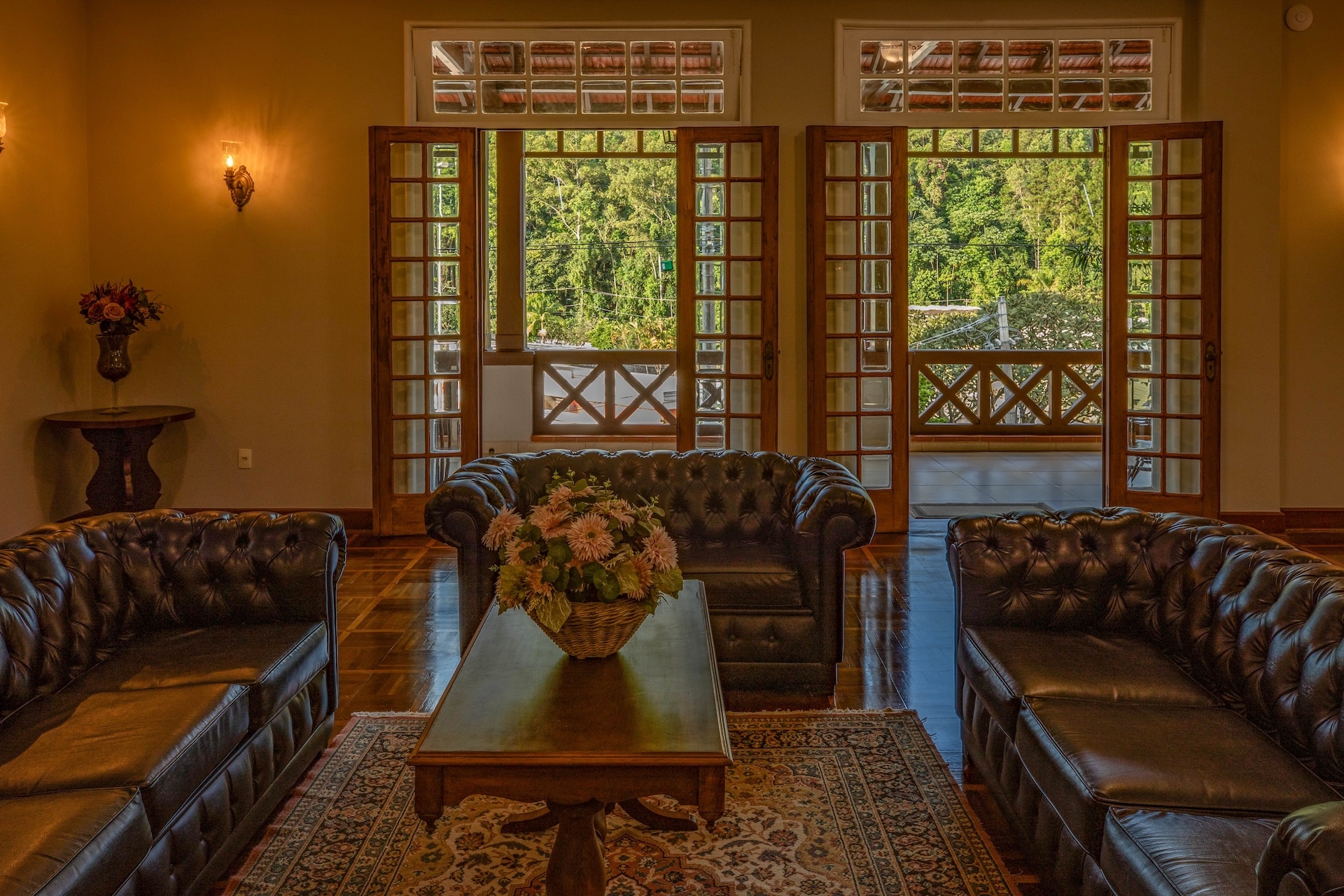
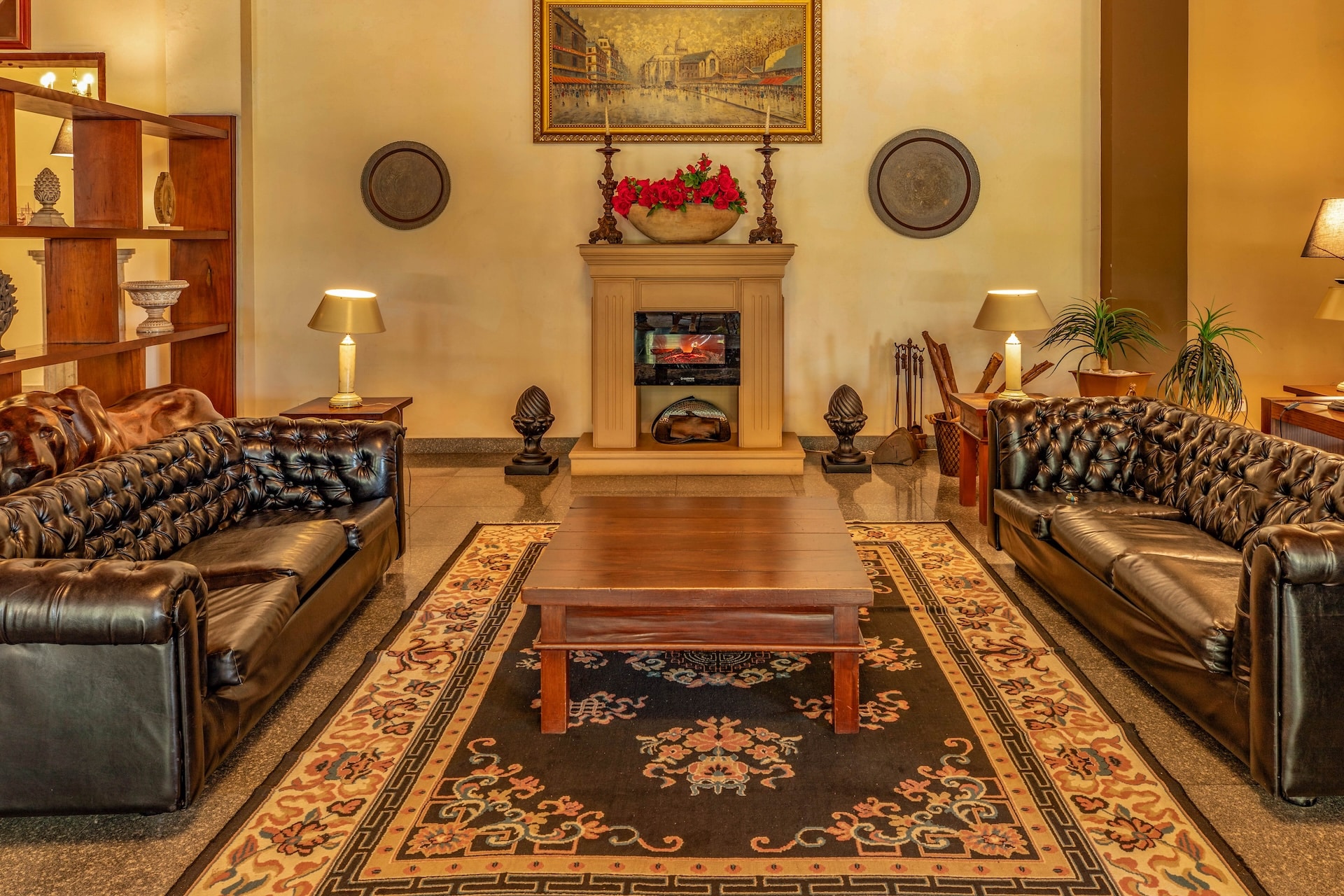
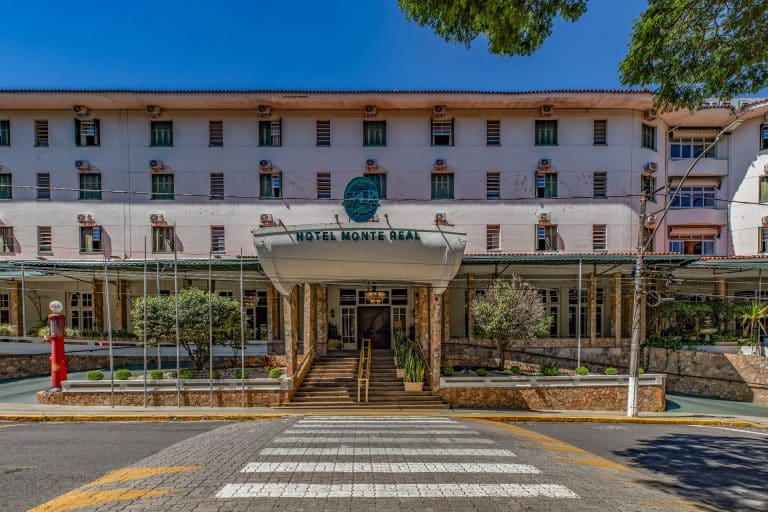
As the town grew, the Hotel Monte Real became part of the expanding local hotel scene. The property still preserves its original character, featuring vintage train station booths integrated right into the lobby. Inside, leather upholstery, paintings, and wooden furniture cast a warm, golden glow over the space, underscoring its classical architecture.
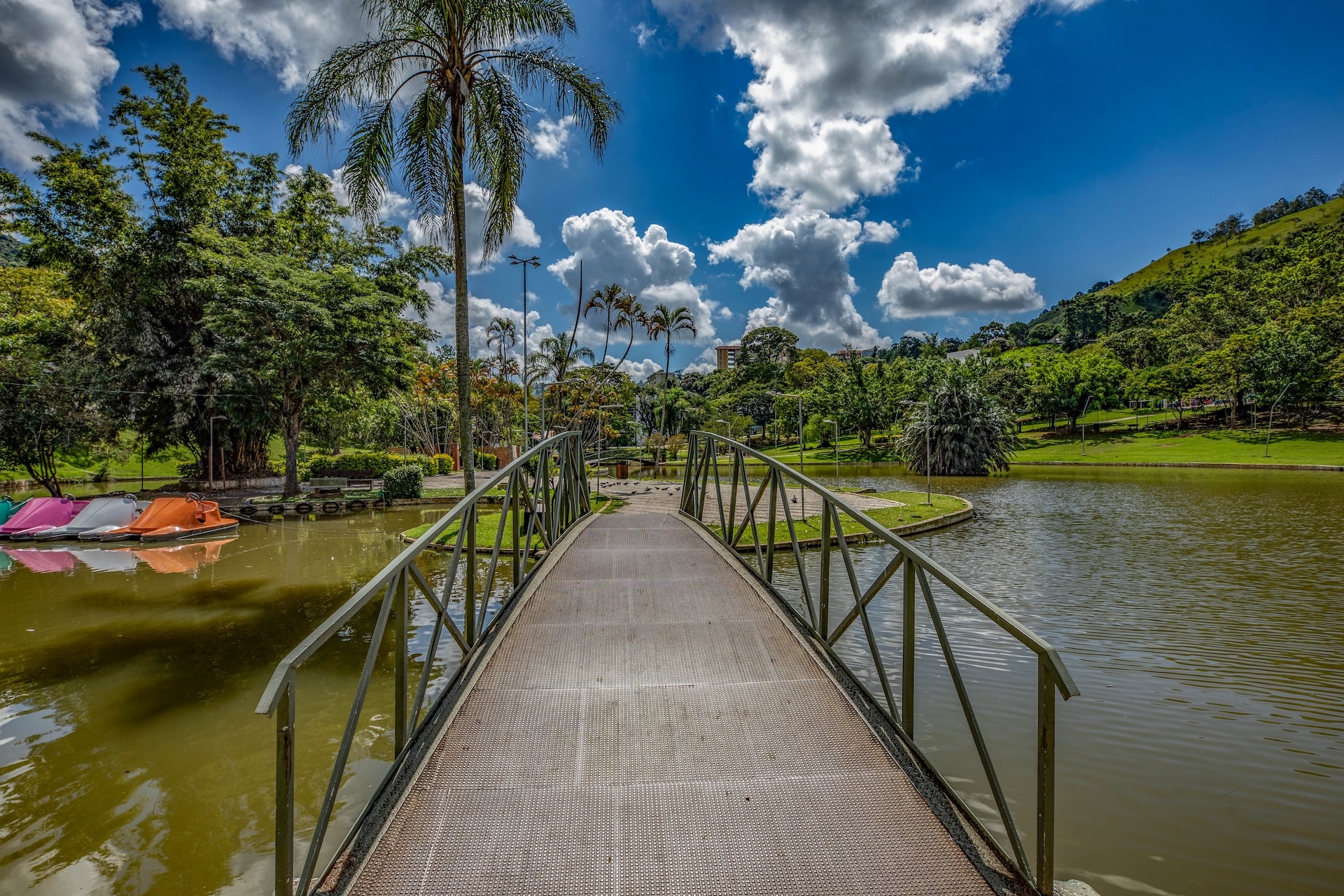
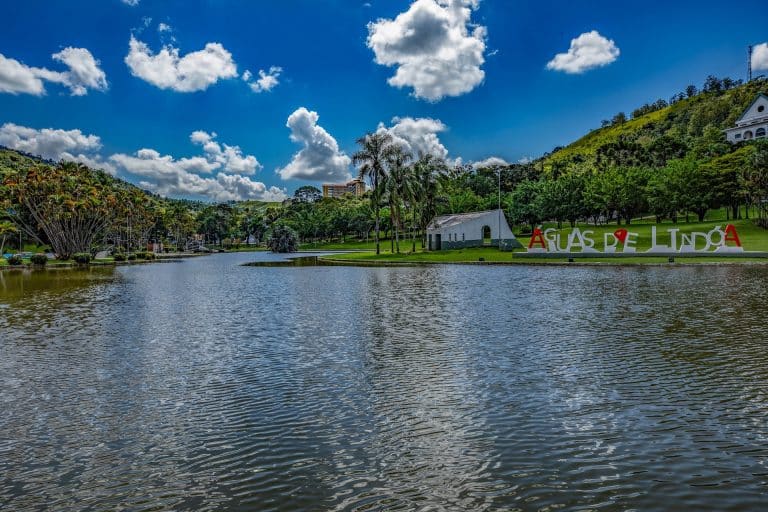
Águas de Lindoia offers a rich collection of locations where architecture, history, and landscape converge—a highly versatile setting that lends itself to different eras, moods, and visual styles. The town is easily accessible by highway from the state’s major urban centers, with Viracopos International Airport in Campinas as the nearest major gateway.
Nearest international airport: Viracopos (VCP)
Distance to nearest airport: 123 km
Distance to São Paulo: 194 km
Distance to GRU Airport: 159 km