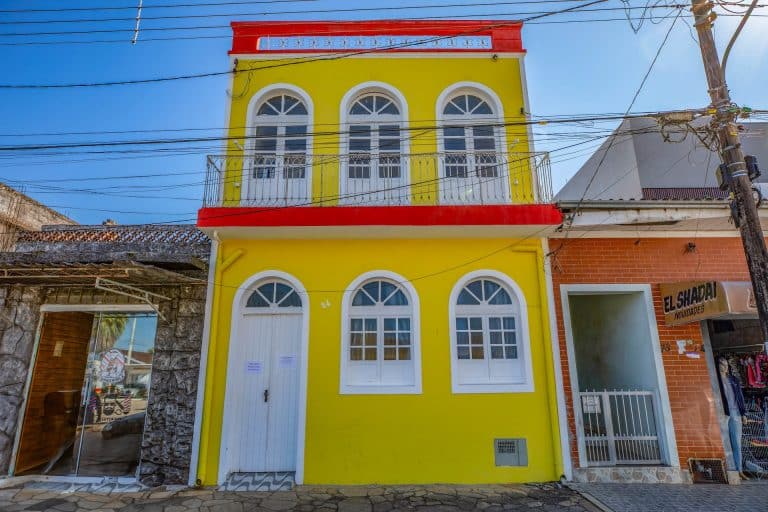
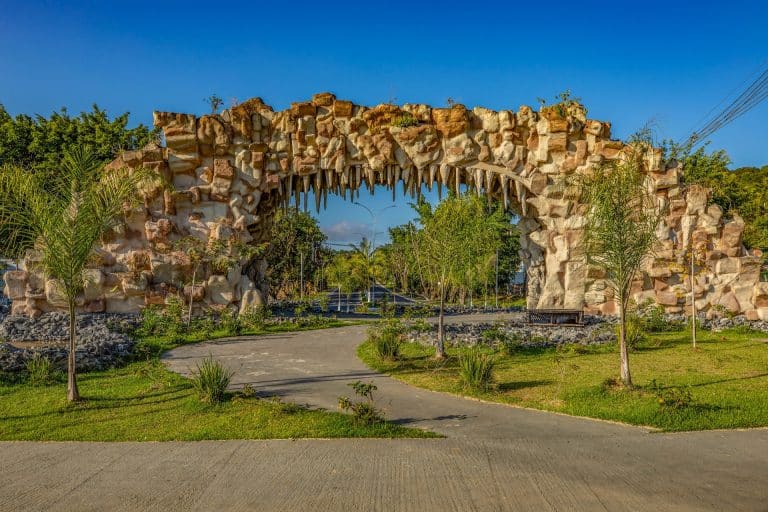
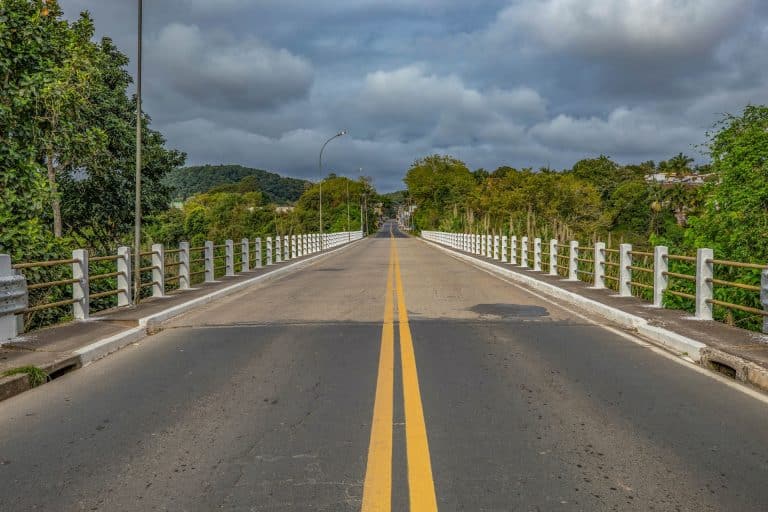
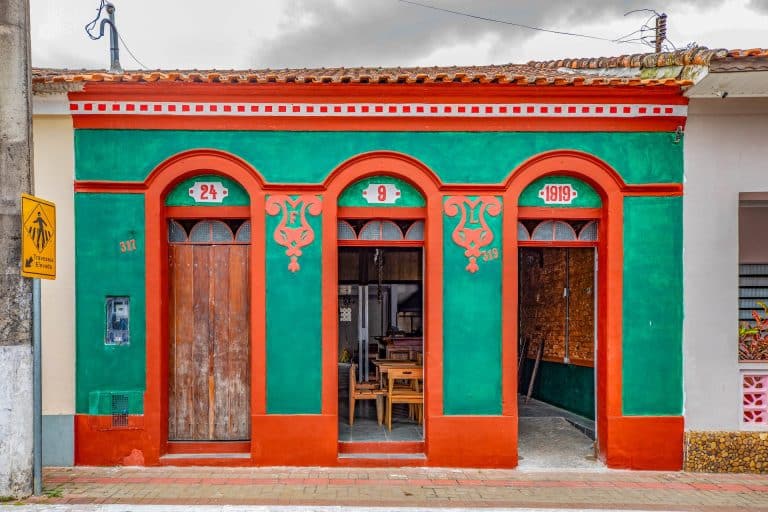
Located in a region where over 70 percent of the territory is covered by the Atlantic Forest, with rivers, waterfalls, and caves, Eldorado occupies the heart of the Vale do Ribeira, which UNESCO has recognized as a Natural World Heritage Site. Its history dates back to the 17th century, during Brazil’s first gold rush, and culminated in the municipality’s establishment in 1842. Known as the “São Paulo Amazon,” its diverse terrain and rich visual textures make it an ideal location for cinematic exploration.
As part of a strategic trade route, the municipality was a key link in the corridor used for exporting and importing goods through the Port of Iguape, from where steamships would depart for European destinations. This commercial activity is closely tied to the history of local immigration, marked by the presence of Portuguese settlers who contributed to the region’s cultural and economic development.
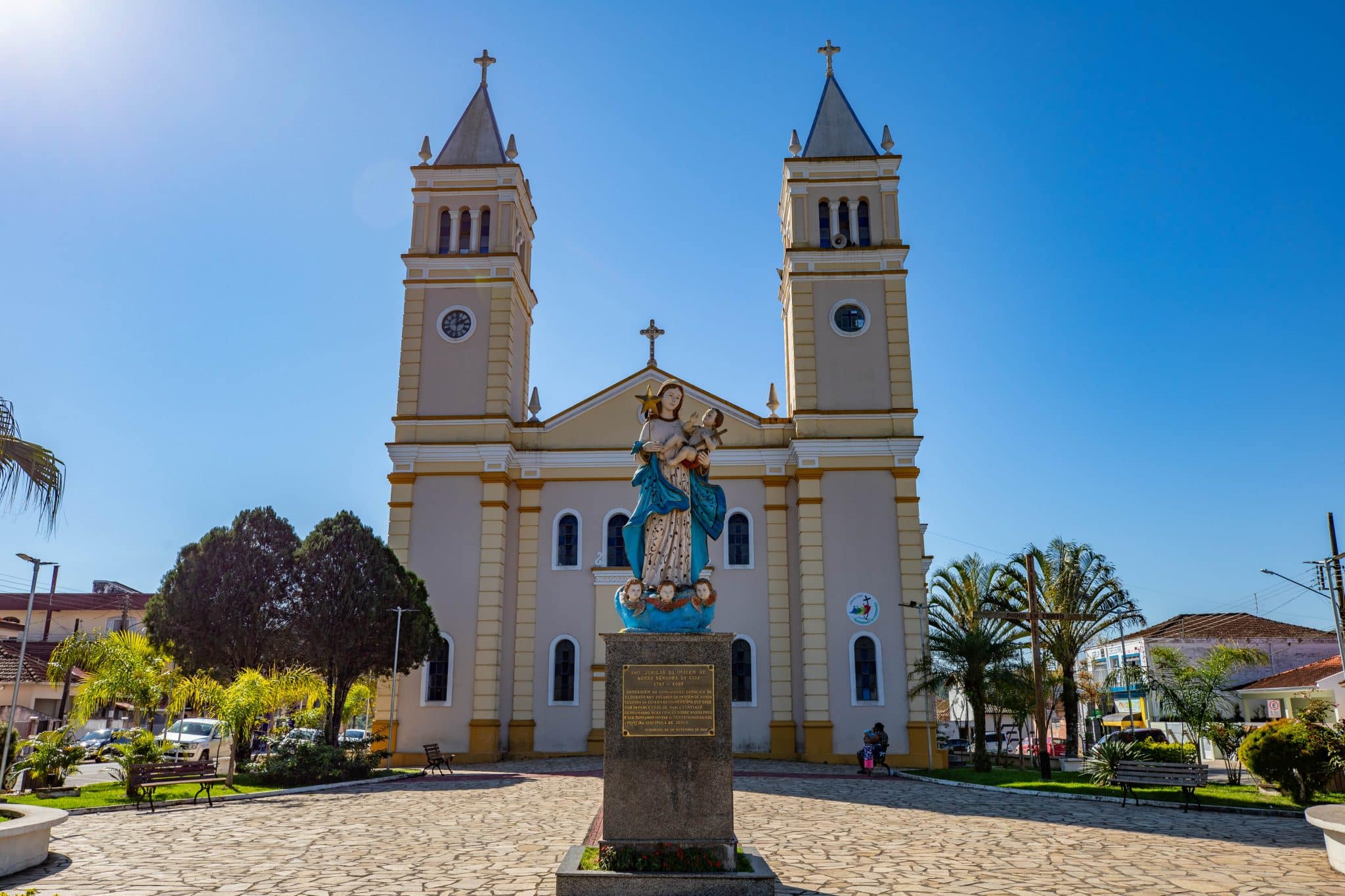
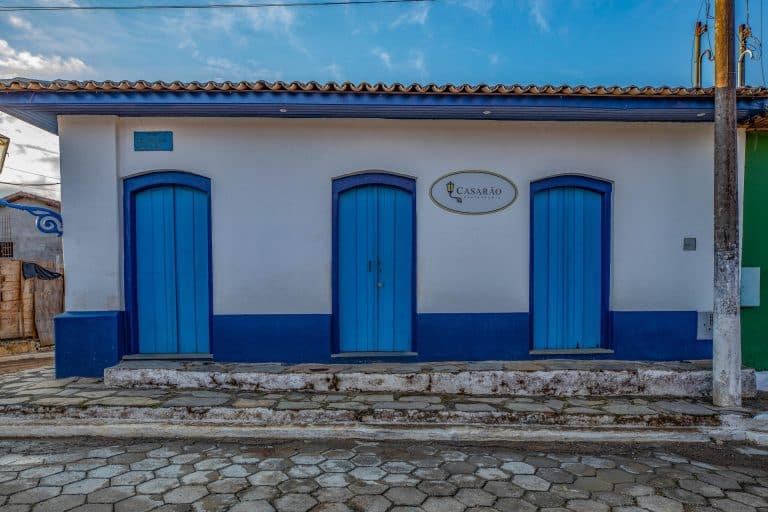
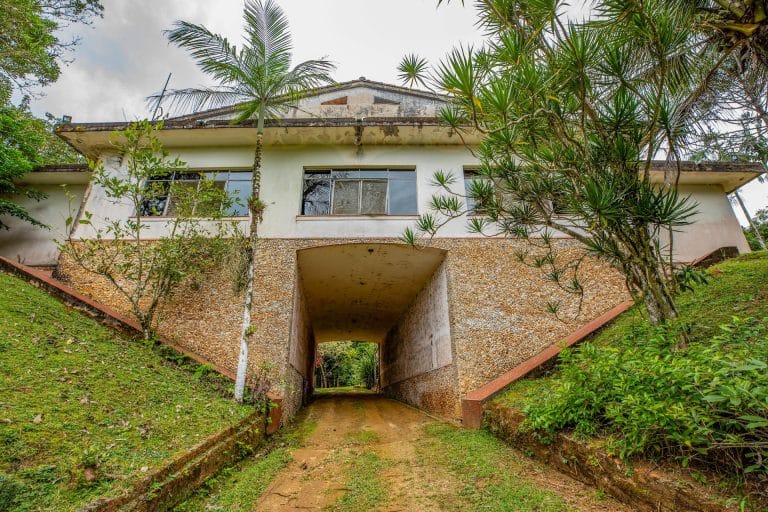
Fazenda Passagem, on the banks of the Rio Ribeira, reflects this historical legacy. One of the region’s most important heritage sites, it stands as a testament to the municipality’s trade activity and its characteristic colonial architecture: rammed-earth houses, clay tile roofs, and wooden interior partitions.
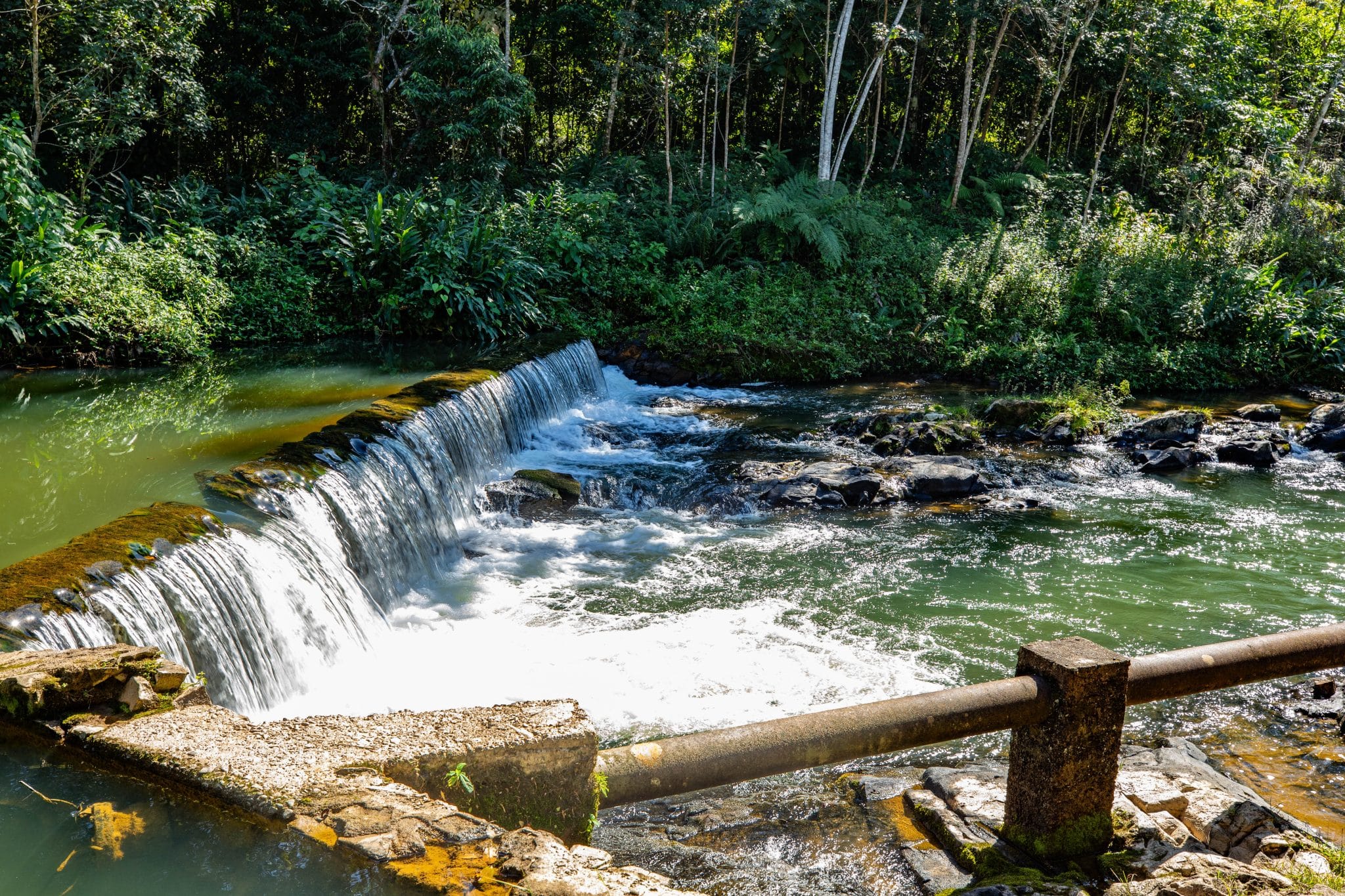
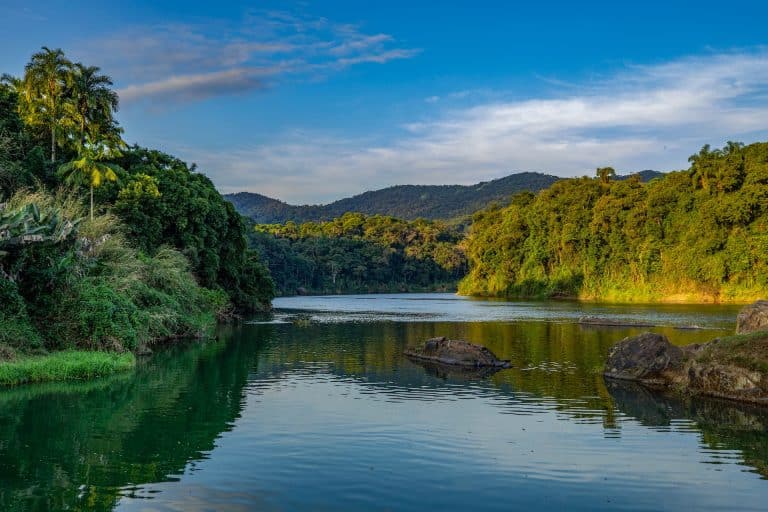
Eldorado was also one of the first towns in the region to generate its own electricity. The Parque Municipal Salto da Usina Eldorado, which operated from 1926 to 1962, still preserves the hydroelectric complex surrounding a reservoir of green-hued water. A wooden bridge crosses the area, integrating natural and historical elements that reveal inspiring settings for film productions.
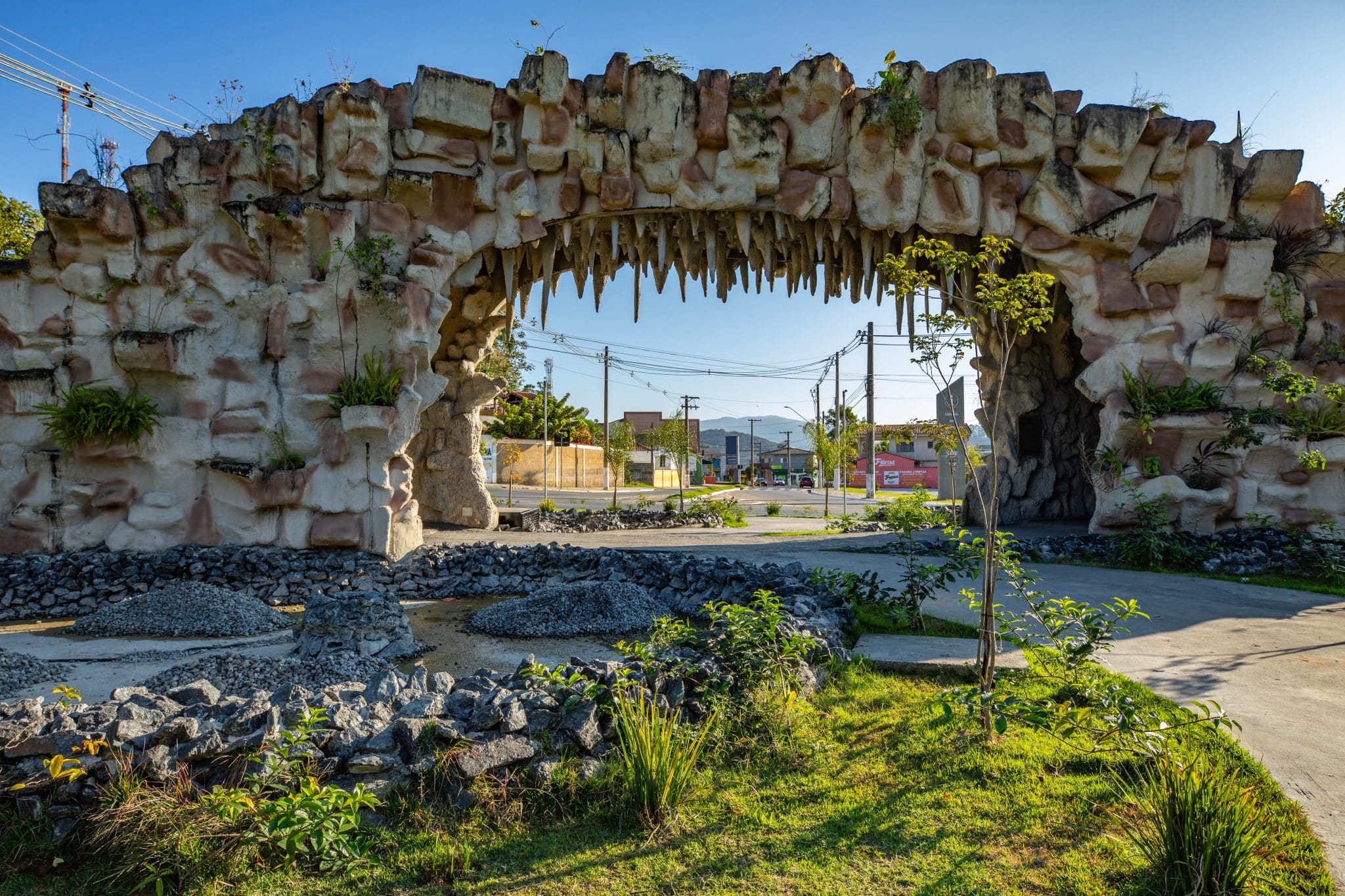
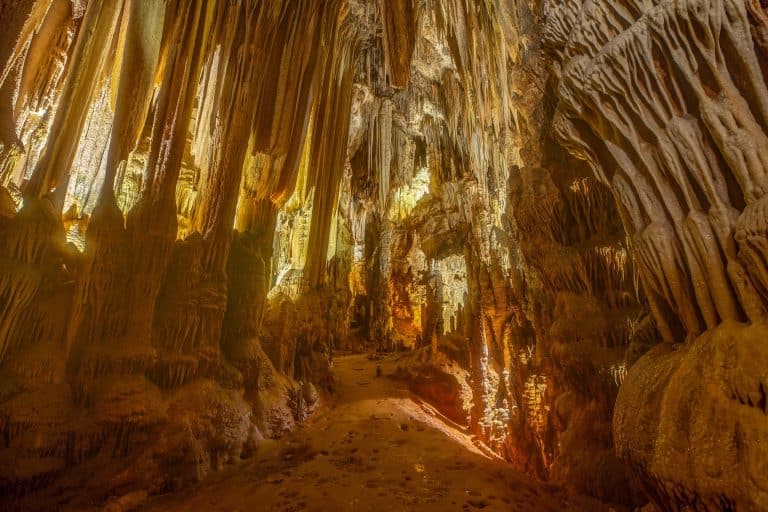
Located forty kilometers from the city center, the town is home to one of the region’s most remarkable natural landmarks: the Caverna do Diabo. Formed millions of years ago through the slow geological processes of water erosion and mineral deposition, it is considered one of the largest caves in São Paulo State, stretching over six thousand meters. Its vast galleries and winding corridors form a captivating underground setting, with illuminated walkways that make the cave easily accessible to visitors. The richness of its geological formations, including stalactites and stalagmites, makes a powerful setting for scenes that require a unique and atmospheric backdrop.
Still within the Vale do Ribeira region, the town of Iporanga has a history shaped by mineral exploration dating back to the 16th century. Only a short drive from Eldorado, this fascinating location is an excellent setting for any production, with its unique atmosphere, biodiversity, and over 365 catalogued caves.
At the Betary Reserve, the sixty-hectare area of preserved Atlantic Forest stands out for its research focused on bioluminescent organisms. The reserve features a greenhouse with fungi that emit light in the dark, creating a striking natural display. The site also features neocolonial-style buildings and a trail leading to the Betari River.
About twenty-five kilometers away, Jacupiranga stands out for its rich diversity of birds, especially the jacu vermelho [red guan], which inspires the town’s name. With origins linked to the old tropeiros’ [drovers] routes that crossed the Ribeira River Valley, the municipality preserves historical elements of this movement.
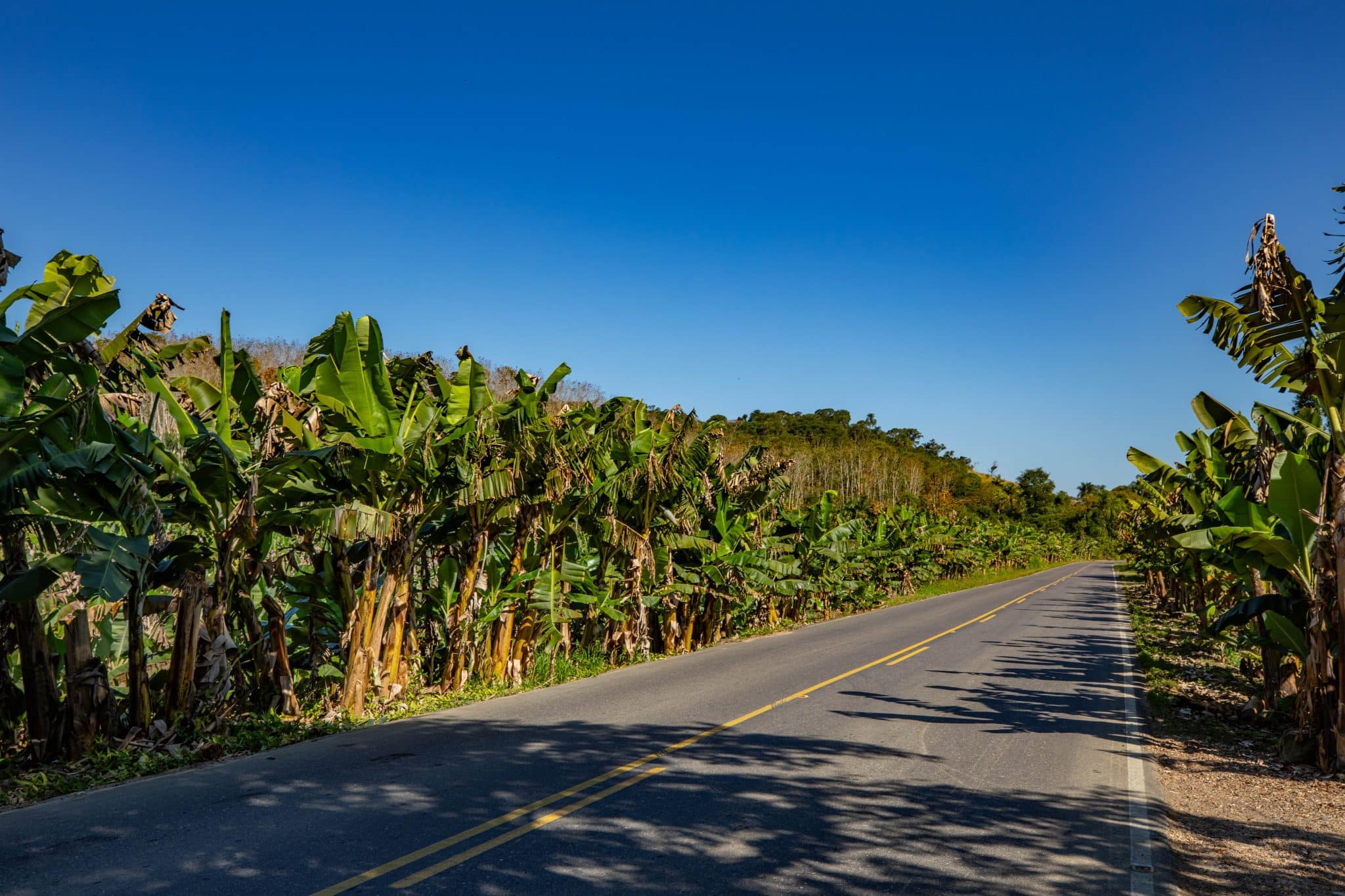
A dirt trail lined with banana trees leads to the visually striking Pedra do Lençol. Standing 282 meters tall, it is the 27th-highest mountain in the state. The massive rock formation features broad, smooth slopes that resemble a bedsheet draped over the vegetation—offering a truly distinctive setting for film productions.
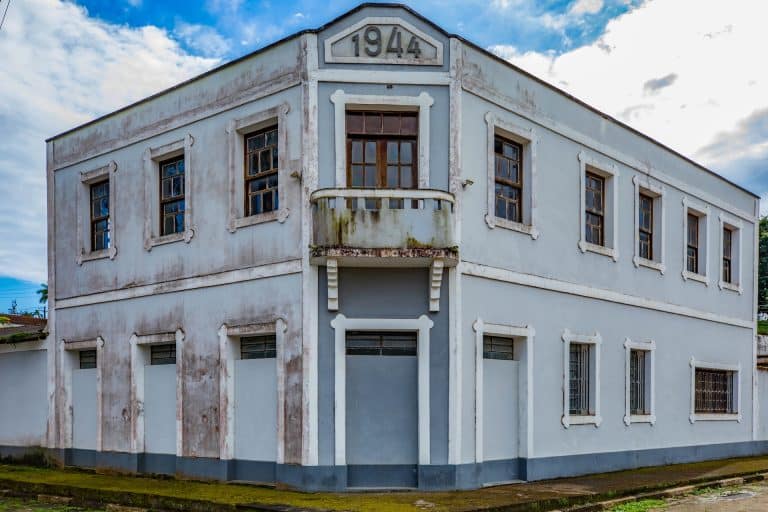
Founded in 1944, Sete Barras is known for its fertile soil, which attracted Japanese immigrants and helped establish the town as one of São Paulo’s leading banana producers. It was also among the first cities in Brazil to have a civil registry office.
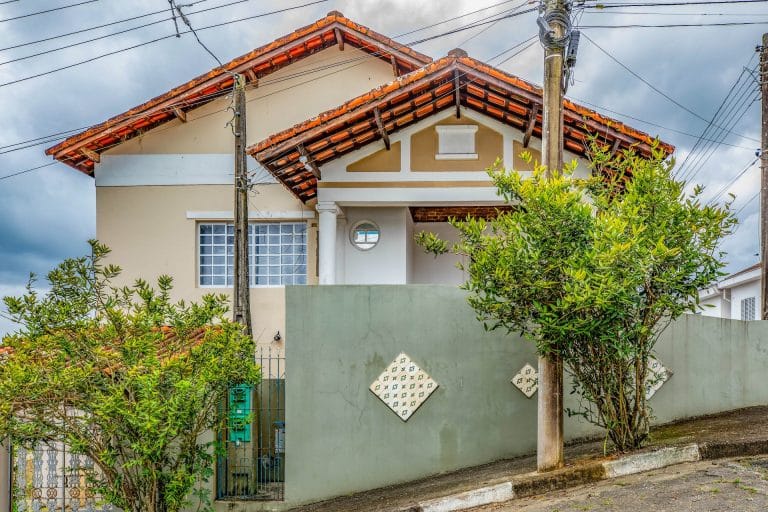
This cultural connection is embodied in the Casa Hiraide, a corner townhouse that preserves the traditional Nipponese style of architecture introduced by Japanese settlers. Painted in shades of grey with white detailing, the building bears the inscription “1944,” which commemorates the year the town was officially established, and symbolizes the local Japanese community’s importance to the region.
The Eldorado region offers filmmakers a unique combination of scenic richness, minimal urban development, and diverse natural locations. With its well-preserved and culturally significant architecture, the area is an ideal setting for both historical and period projects and compelling contemporary narratives.