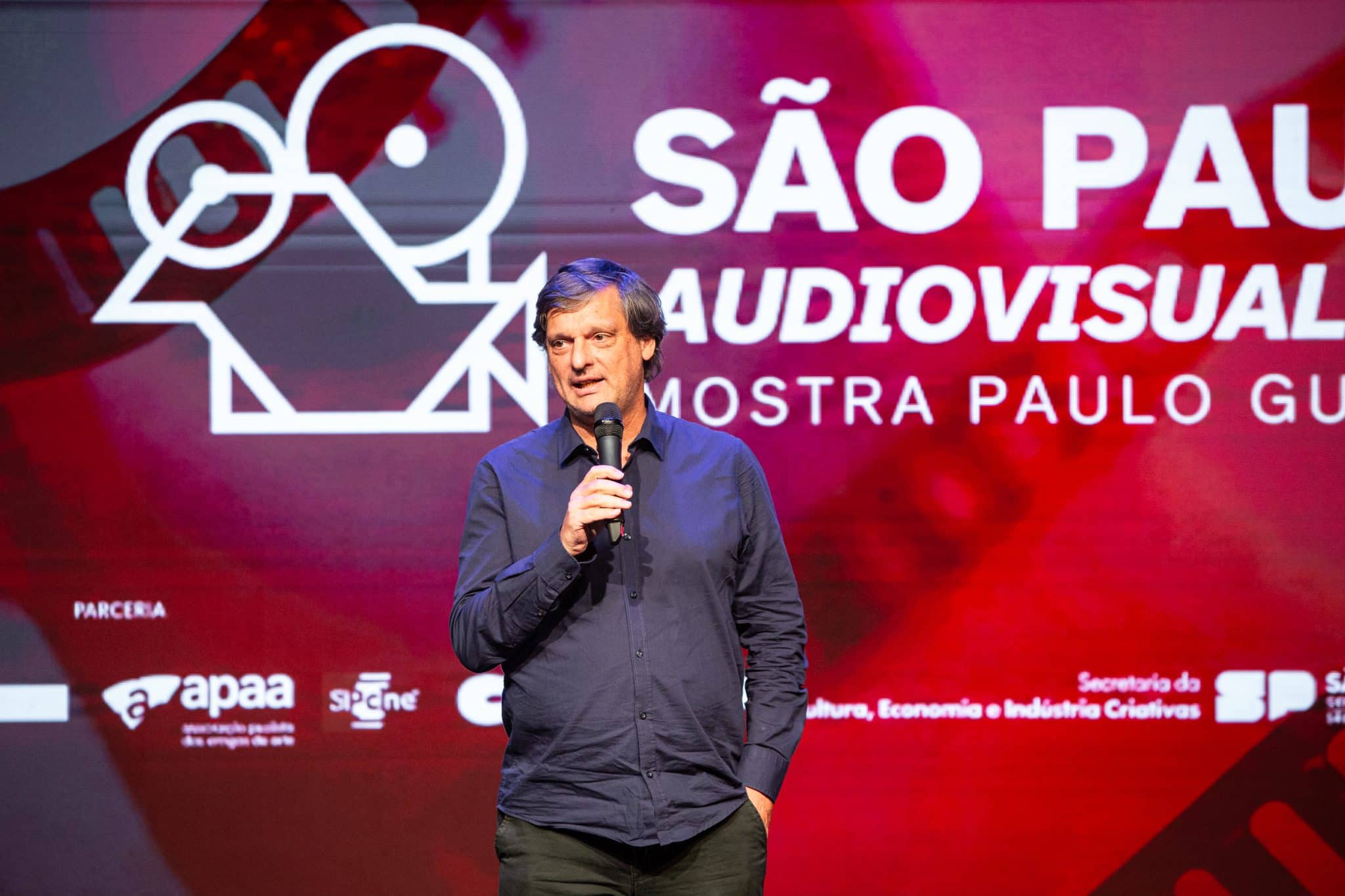
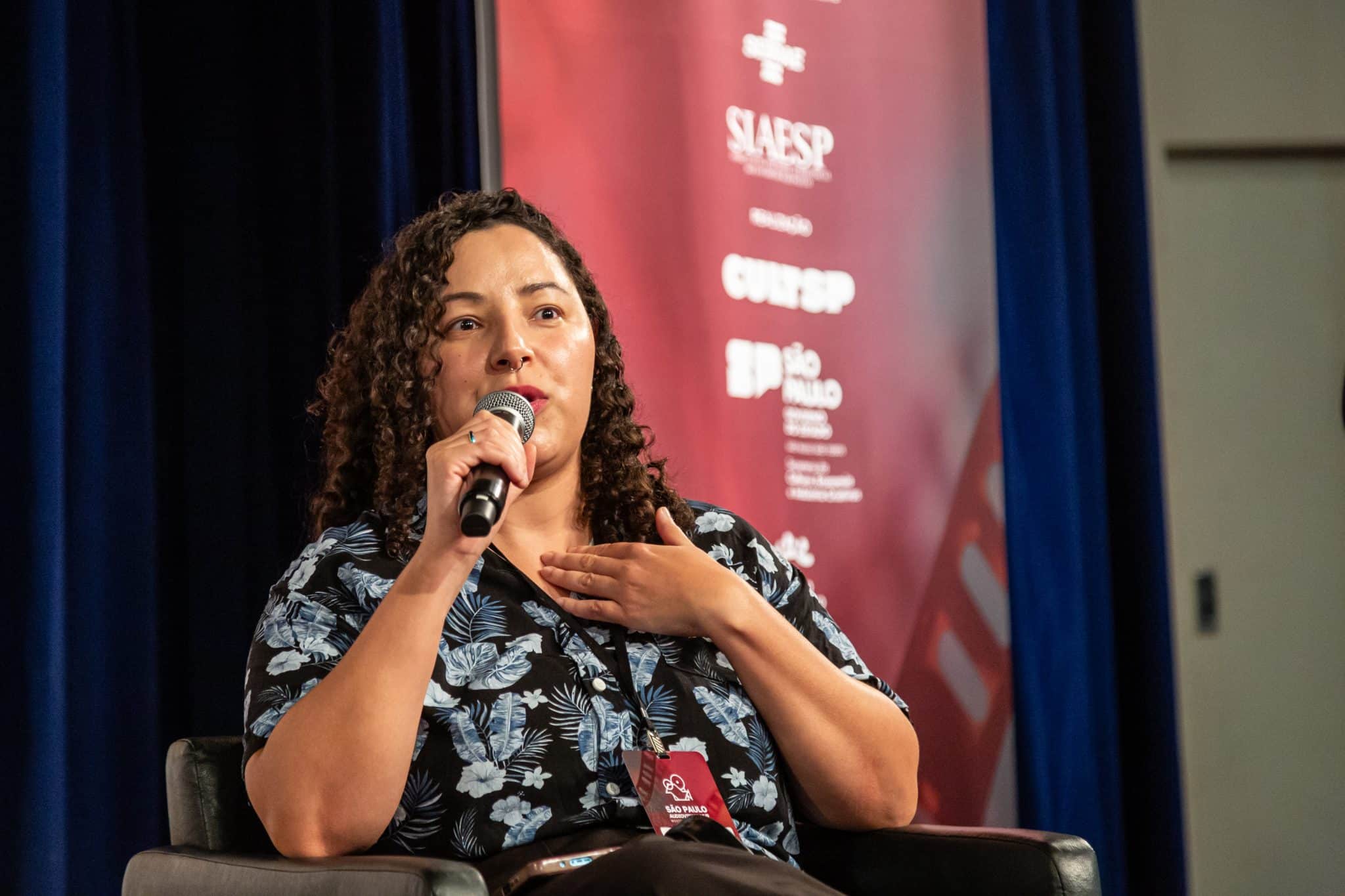
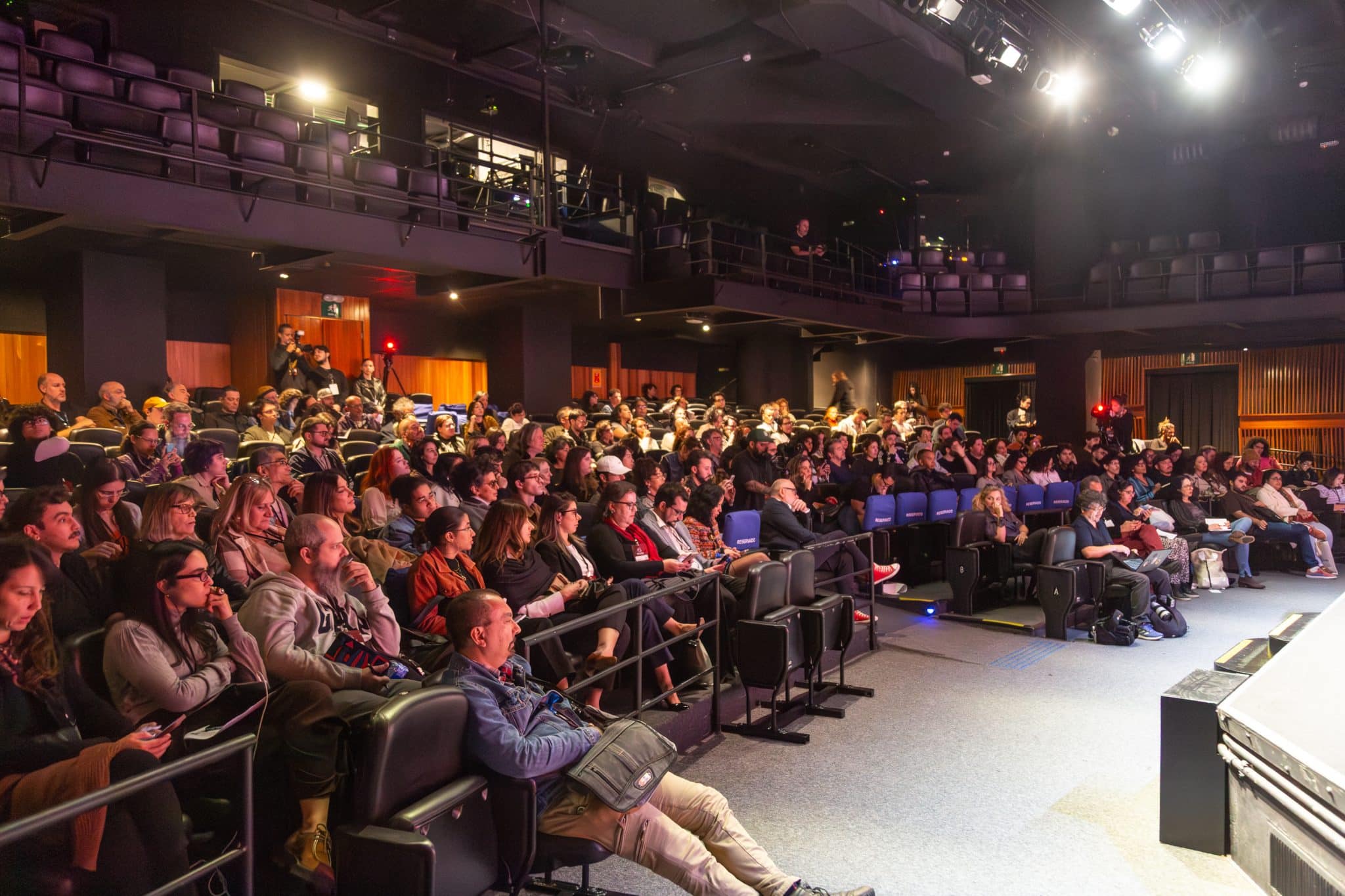
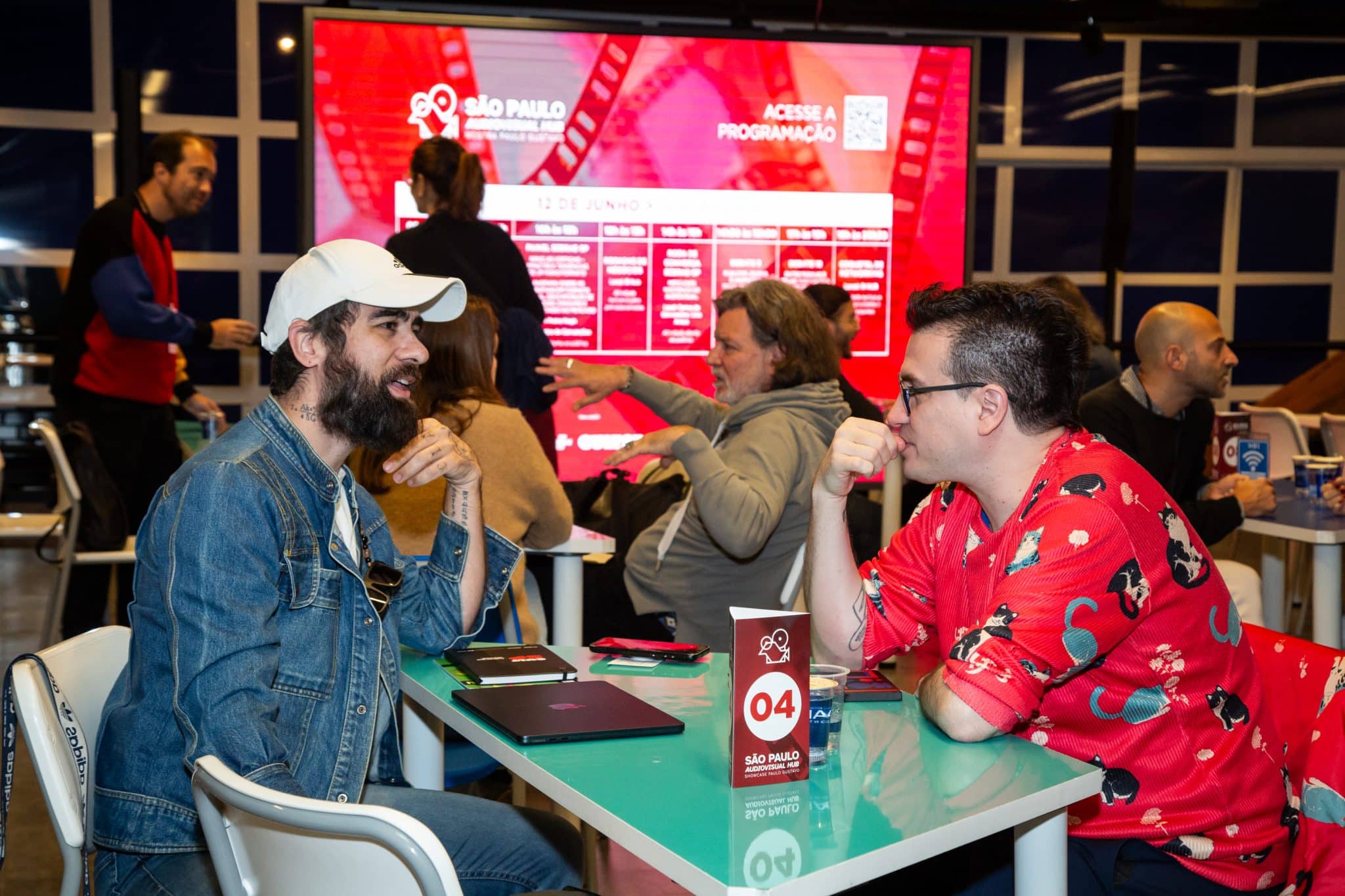
The Government of the State of São Paulo held the 2nd edition of the São Paulo Audiovisual HUB between June 8 and 12 at the Armando Alvares Penteado Foundation (FAAP). The event brought together representatives from around 30 countries and is part of the São Paulo Audiovisual Industry Development Plan, focusing on the internationalization of the sector, investment attraction, and the strengthening of co-productions in the global market.
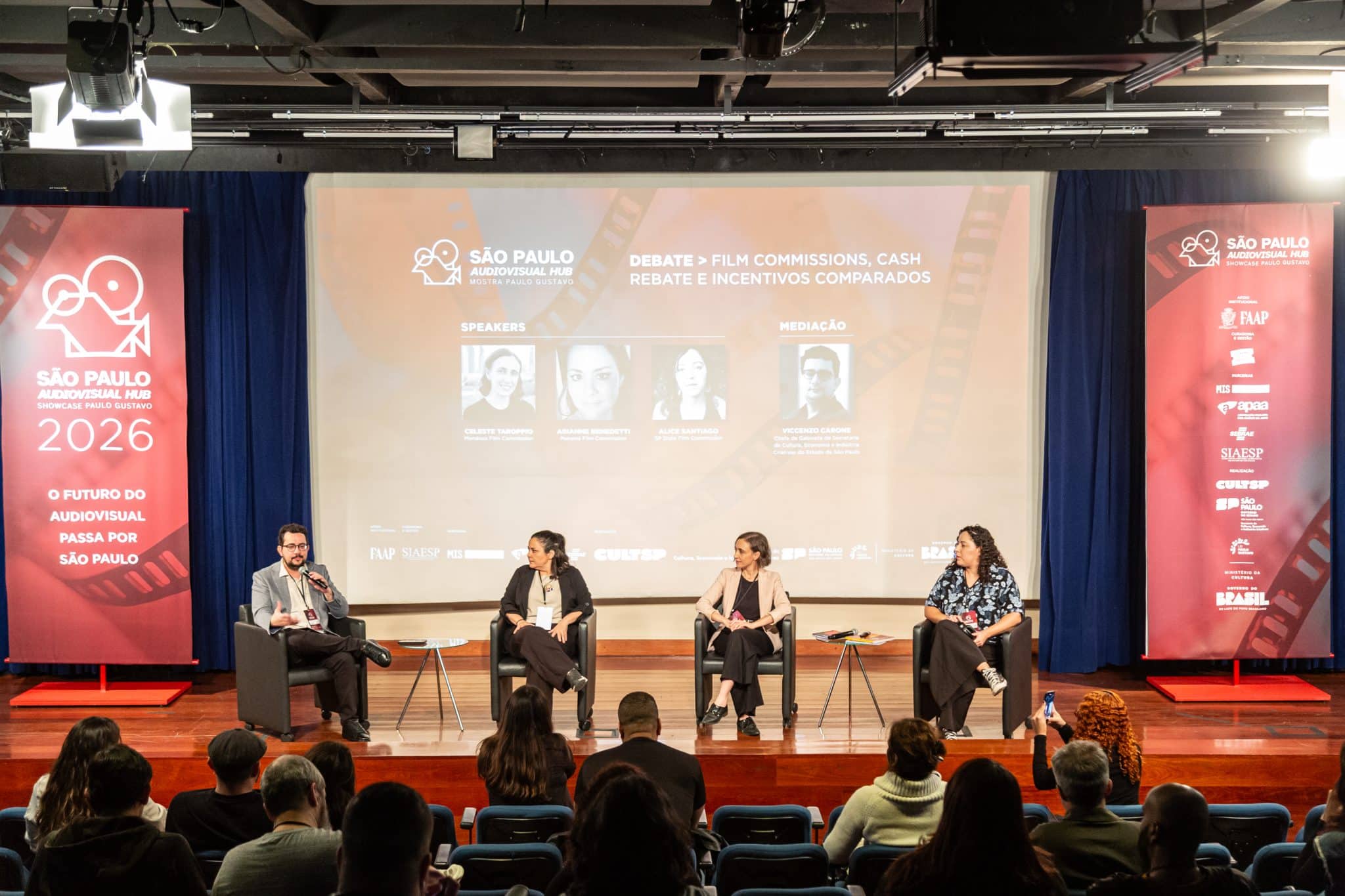
One of the highlights of the program was a session dedicated to the analysis of public policies for audiovisual production incentives, with a focus on film commissions, cash rebate mechanisms, and comparative models of market development. The discussion proposed a strategic reading of how different territories structure their incentive systems and how these instruments impact the attraction of productions, the consolidation of local ecosystems, and the international competitiveness of the sector.
The panel featured Celeste Taroppio from the Mendoza Film Commission, Arianne Benedetti from the Panama Film Commission, and Alice Santiago from the São Paulo State Film Commission. The participants shared practical experiences on the implementation of incentive policies, strategies for attracting film productions, and the role of film commissions in organizing and strengthening audiovisual markets.
The session was moderated by Viccenzo Carone, Chief of Staff of the Secretariat of Culture, Economy and Creative Industries of the State of São Paulo, who presented a comparative analysis of different international incentive and governance models in the audiovisual sector.
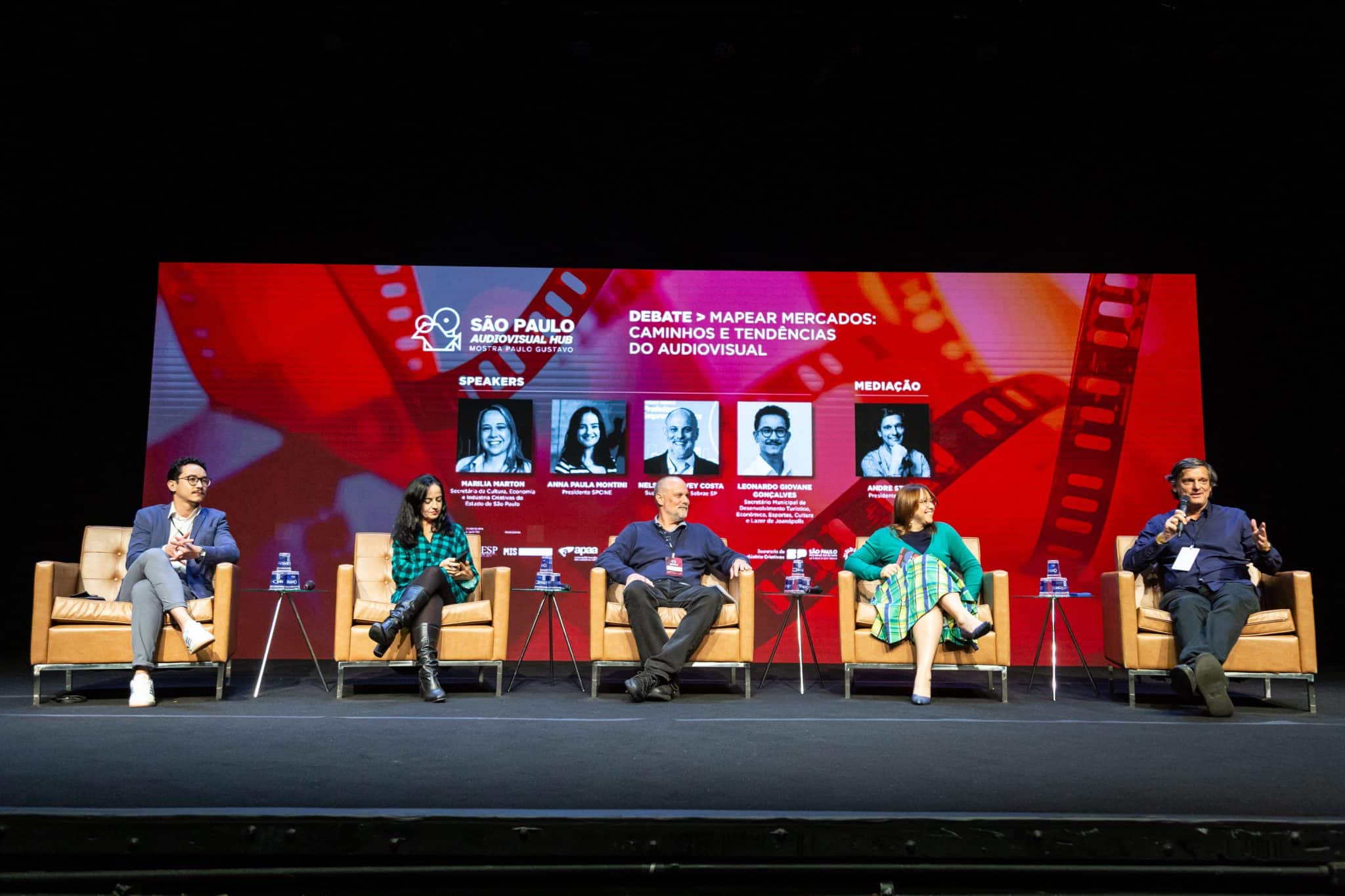
Another highlighted panel of the program was “Mapping Markets: Paths and Trends in the Audiovisual Industry,” which analyzed the global landscape of the sector from a strategic perspective. The discussion addressed market dynamics, organizational models, and emerging trends, as well as pathways for the circulation and internationalization of audiovisual productions.
The panel brought together Marília Marton, Secretary of Culture, Economy and Creative Industries of the State of São Paulo, Anna Paula Montini (Spcine), Nelson Hervey Costa (SEBRAE SP), and Leonardo Giovane Gonçalves, Municipal Secretary of Joanópolis, reinforcing coordination between state and municipal governments and supporting institutions in the sector.
The session was moderated by André Sturm, highlighting the importance of an integrated understanding of different audiovisual markets.
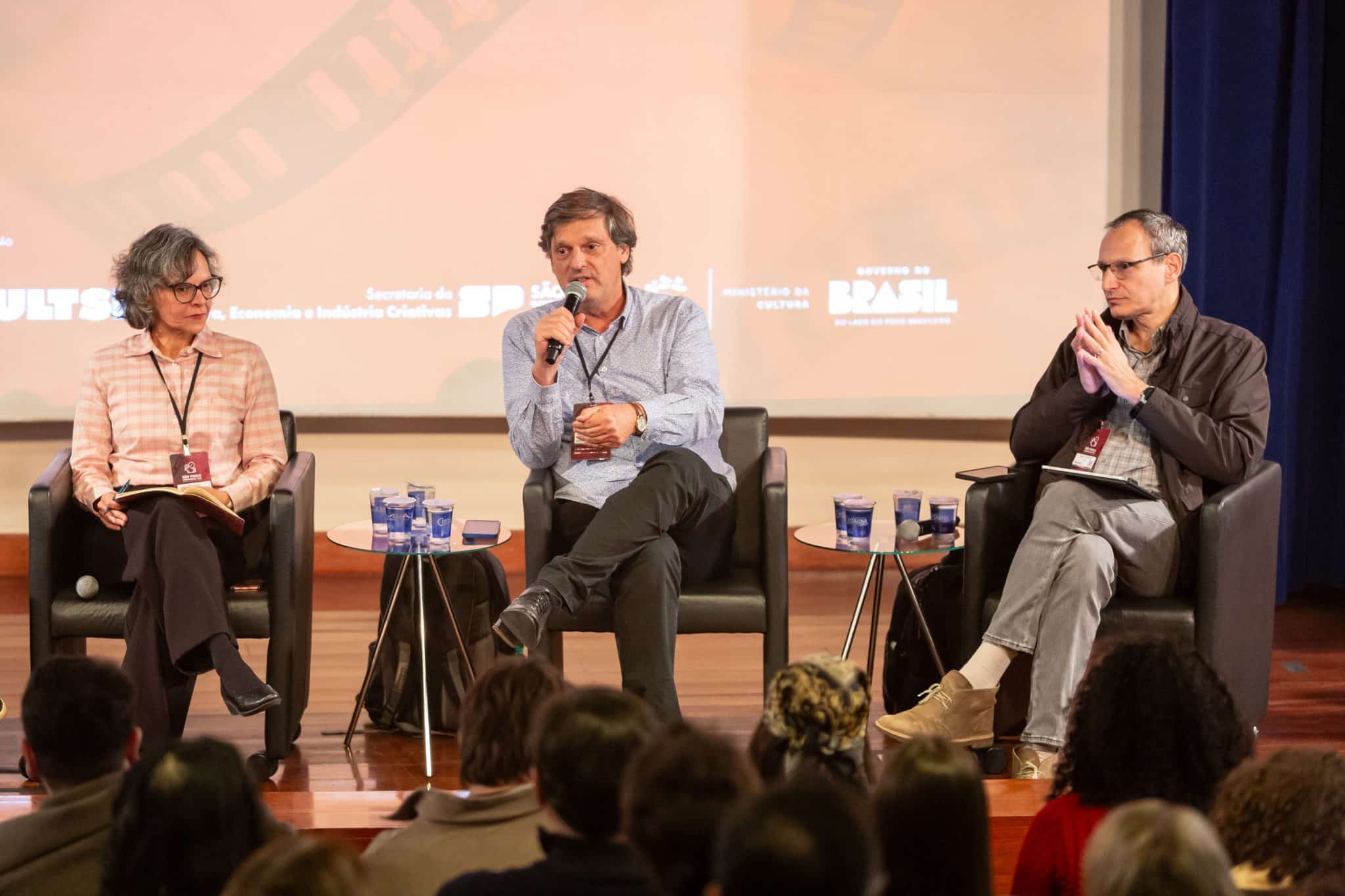
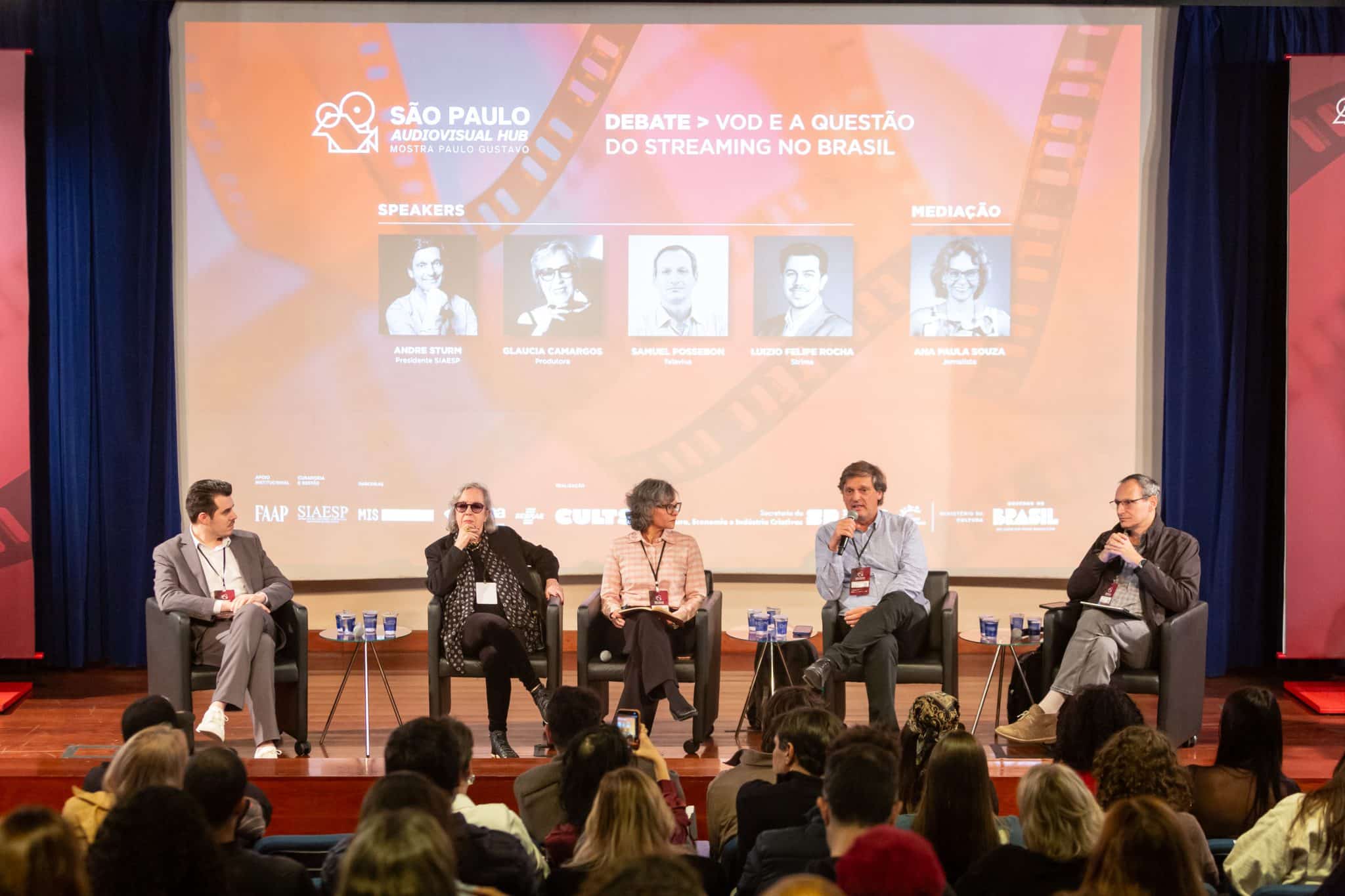
In parallel, the HUB also hosted a discussion on the video-on-demand (VOD) and streaming landscape in Brazil, focusing on operational structures, content distribution strategies, and regulatory challenges in the sector. The debate addressed opportunities and challenges for producers in light of the evolution of streaming regulation.
Participants in this session included André Sturm, Glaucia Camargos, Samuel Possebon (TelaViva), and Luizio Felipe Rocha (Strima), with moderation by Ana Paula Souza.
The organizers expect the event to have impacted around 150 professionals in training activities and gathered approximately 2,000 participants in open public discussions.